


 Shkruar nga Pamfleti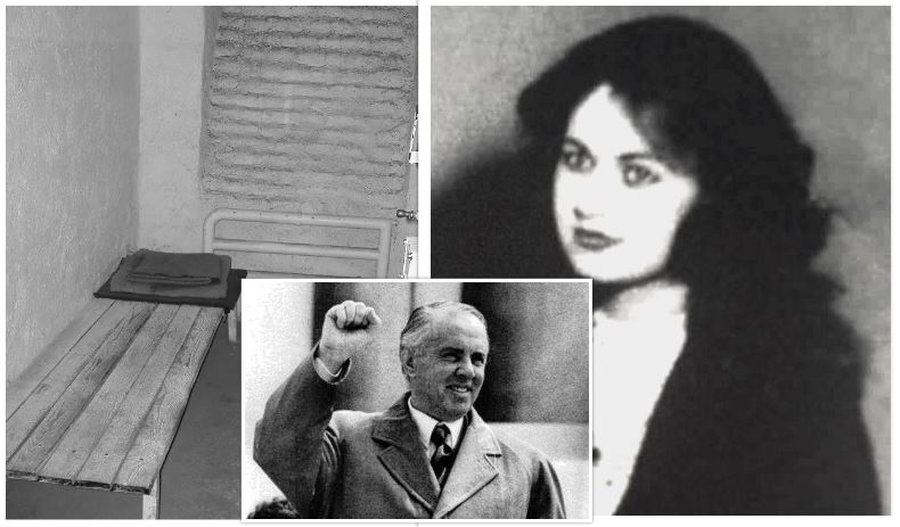
Laura Keçi was only 16 years old when she was arrested and then sentenced, marking the only Albanian woman who was sentenced at such a young age, during the years of communism in Albania. After the change of times, together with her family, Laura moved from Shkodra to America, from where she has not returned for years. However, he did not leave the story untold, even if it was not clarified in detail. Four years of the life of a 16-year-old girl, seen today through the eyes of a psychologist, spent in prison, would never be erased from memory, even if they were among the quietest.
Without considering the sufferings and tortures that she had to endure, she herself narrated the experience that she would like to forget: "My father, Gjeto Keçi, a former warrior of Spain, attached to the ideal of his time , was quickly disillusioned by the communist system.
This he expressed with a loud voice and indignation, which was enough to consider; enemy of communism, the ideal he believed in so much. My father's convictions, clearly dictated to me, found bed and developed slowly but unstoppably. Since I was young, my father's 'guilty shadow' followed me everywhere, I was, in a word, a persecuted girl, no matter how little I knew the meaning of this term..."!
This was the first reason why Laura was under the attention of the Security. The second came from himself, but it was all inevitable...! "The great hatred I had for the communist system, there were times when I showed it openly.
In this period, I am talking about the year 1973, the time of the so-called 'Cultural Revolution', I managed to distribute tracts that I had formulated myself and placed on the school register sheets, which I later deposited in the investigator...! Someone was following me.
Otherwise, there is no way to explain that after I made the cross in front of the church, in the eyes of two of my friends, one of whom denounced me, what happened happened. My picture was put in the Atheist Museum.
Even after prison, I saw the photograph there. The investigator who took over the case, Shyqyri Çoku, would face a 16-year-old as an 'enemy'. During the investigation, psychological violence was used, the investigator's lecherous gaze wanted to bring me to my knees at any cost.
He never succeeded in this. They wanted to use electroshock as torture, but I couldn't try it, because in response, I went on a hunger strike, where I went 75 hours without eating. They put me in a cell with a spy and provocateur, where I immediately realized that I was trapped.
A psychiatrist was then brought to me, whom I begged not to record anything that he did not find. I wanted to show that I was completely fine and I did everything consciously..."!
Këto janë vetëm boshti i kujtimeve të hidhura të Laurës, ato që as do donte t’i përmendte po të mos ia kërkonin. Fatbardha Mulleti Saraçi, e ka përfshirë historinë e saj, në atë të librit “Kalvarit të grave në burgjet e komunizmit”.
Mes të tjera kujtimeve të mjegulluara, rrëfimi i Laurës përfundon: “Gjyqi im ishte edhe fundi i komedisë që luajtën me mua…! Unë, e akuzuara 16-vjeçare dhe dëshmitarët: mësuesit, drejtori, shoqet e mia e pak më tej populli, ai që ishte gjithnjë me mua.
Nga përgjigjet që i dhashë gjykatësit për partinë e udhëheqjen, ai tha: ‘Vetëm këto fjalë janë të mjaftueshme, për të vuajtur dyfishin e dënimit’. Prokurori më tha se; do të më shtypnin si krimbin.
Drejtori i shkollës vijoi: ‘Shpata e drejtësisë do të bjerë mbi Laurën dhe të gjithë armiqtë’. Ime më u ngrit për të thënë se; ç’armike mund të ishte një vajzë e parritur…!
Nga dënimi fillestar me tetë vite, për shkak të moshës, më lanë katër vjet. Sapo mbërrita në qeli, m’u vërsulën si të tërbuar pesë police, për të më lidhur duar e këmbë, sepse u kisha sharë udhëheqësin.
Mbaj mend që dhoma u bë krejt e kuqe dhe unë kafshova këmbën e atij, që ma vuri në gjoks. Përmes thirrjeve, ndjeva se gojën e kisha të mbushur me gjak. Kjo ishte historia e gjyqit dhe dënimit tim…! Ndërsa jo më e lehtë ka qenë edhe ajo pas burgut, kur u degdisa në Ndërmarrjen ‘Zunkth-Kashta’, për të punuar”.
Siç është e njohur skema tashmë, ata që kishte mbi kokë do t’i kërkonin vazhdimisht të bënte autokritika, përballë të cilave ajo zgjodhi gjithnjë heshtjen. Arsye kjo pse sytë që i rinin mbi krye për t’i matur çdo lëvizje, nuk iu ndanë asnjëherë, deri sa koha i hapi dyert për të ikur…!
Dëshmia e Laura Keçit, për torturat ndaj Dom Mikel Beltojës
Ata që e njohën nga afër, e dinin mirë se Dom Mikel Beltoja, nuk dallohej për ndonjë gjë të veçantë, siç edhe janë shprehur; nuk ishte erudit si paraardhësit e tij; nuk shfaqte ndonjë mprehtësi të jashtëzakonshme, as në shtjellimin e predikimeve; nuk ishte orator i shquar si përmendeshin At Anton Harapi, Dom Ndre Zadeja, Dom Kolec Prenushi, etj; por në vendosmëri e përkushtim, nuk i lëshonte radhë askujt.
Por në fund të fundit, edhe ato vite të pakta meshtarie, pasi më 1967-ën u mbyllën kishat, nuk lanë ndonjë gjurmë të veçantë në radhët e besimtarëve, gjatë shërbimit të tij në Dajç të Bregut të Bunës, Shllak e Barbullush.
Kur famëkeqi “Revolucion Kulturor”, çoi në mbylljen e kishave, Dom Mikeli u tërhoq në fshatin Beltojë, pranë familjes. Kishte filluar ndërkaq arrestimi në masë i atyre meshtarëve, që ishin ende në shërbim (shumica prej tyre e kishte provuar burgun të paktën një herë më parë në jetë).
Dom Mikeli u tërhoq në Beltojë, por nuk u tërhoq për asnjë moment nga shërbimet fetare, që ia kërkonin besimtarët. Ndërsa meshtarët e tjerë, ende të “lirë”, ishin strukur të tmerruar në ndonjë barakë apo, pranë ndonjë të afërmi, ai shkonte kudo ku e thërrisnin: prej Barbullushit, deri në Shllak, atje ku njerëzit kishin nevojë më shumë të besonin, se ky nuk mund të ishte fundi.
He wore wedding crowns (secretly), baptized and baptized children, without asking what the consequences would be. The rural priest, silent but also sweet, simple and brave, did not know to what extent the State Security was following him. When someone warned him that; what was he doing to himself, he answered with a smile:
"Okay, that's what the party said?! What about the law? Is it forbidden by law to baptize children"? But his freedom did not last long. On April 19, 1973, it fell into the hands of the State Security. The motive; "Agitation and propaganda against the Party".
First, the sentence for him was for seven years in prison, but there, during his last words, in the miserable hall of the Red Corner, in front of his fellow villagers, in addition to the preaching words, Dom Mikel Beltoja stood up and added: "Here, in the dock, it should be Enver Hoxha, not me"!
It can already be imagined how the "pious" danced there in front of the jury, the blood of Dom Mikel Beltojë shone on his clothes and, however, it continued; "Forgive me, God, they don't know what they are doing!"
Dom Mikel Beltoja was sentenced to be shot. In those few months of imprisonment before the last act, 16-year-old Laura Keçi was also near his cell, who tells the gruesomeness of the event:
"Even before he was arrested, I had heard that a young priest preached fearlessly about Jesus Christ and held religious services. That's why it would immediately kill my ear when the investigators, while escorting me to the cell, said; 'What to do with her, she is still small, if she was a little bigger, I would willingly shoot her together with the priest', and shot that they put me in a dungeon near him.
I saw how commander Basri Temja brought food to Dom Mikel, who was chained hand and foot, awaiting the execution of the decision to shoot. The dish, as it was understood, was very hot, after the burning, the screams of the priest could be heard as he could not swallow it.
When he closed his mouth, you could hear the crack of the aluminum key on the cement, which had fallen after the bowl was thrown in his face, along with the dish.
This torture was repeated every day, or even twice a day. Another dungeon policeman, coming with his heavy boots, opened Dom Mikel's dungeon, only to hear the crunch of his kneecaps from the kick he was getting.
The blows were so hard I could swear his bones were breaking. I heard this suffering and torture several times during the months that he stayed in the cell next to me until he was shot.
At least that was the decision, because one of the guards, quite different from the others, named Ndue, told me that when they took the eu to Tirana, they gave him an injection on the way and he died immediately.
They took him dead and, as was said, he was taken by the reliable government doctors, to be used for study by the students of the Faculty of Medicine of the University of Tirana". Memory.al


Lini një Përgjigje