


 Shkruar nga Pamfleti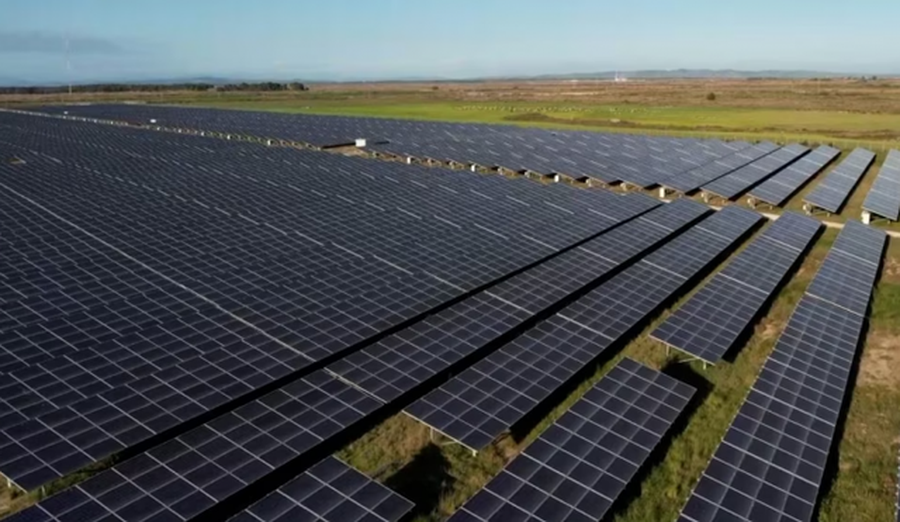
Albania is moving from dependence on electricity produced by hydroelectric power plants to diversification through photovoltaics or wind farms.
The country aims to achieve a renewable energy share of over 54% in gross final consumption by 2030. Solar radiation ranges from 1,185 kilowatt-hours per square meter per year to 1,700 kilowatt-hours per square meter per year. In the southern part of the country, under good weather conditions, it can reach up to 2,200 kilowatt-hours.
"In the main EU countries, energy is mainly produced by thermal power plants and they prioritize the production of some energy with photovoltaics in order to have clean energy. We do not have this problem because we currently produce almost 98% of the energy in our country from hydroelectric power plants, so we have clean energy," said engineer Azmer Dulevic.
This development has also raised concerns about the nature and sustainable use of land, including negative impacts on habitats, forest funds, pastures and biodiversity. In December 2024, amendments to the Law 'On Pasture Fund' entered into force. Article 17, point 6, provided that the area allocated for photovoltaics can be removed from the pasture fund. In practice, this means that the area loses its original function and the land use changes from natural to industrial, with consequences for the environment.
"To build a photovoltaic park with two megawatts of capacity, you need to have at least 1 hectare of land available per megawatt; in cases where we are dealing with pastures, you may need a little more due to the uneven terrain," said journalist Emirjon Senja.
Data shows that 24% of the land area is agricultural, 36% forest, 16% pasture and about 24% includes other uses, such as urban, fruitless and inland water surfaces. A study conducted in the Municipality of Kolonjë and Devoll on environmental integrity in land use by the “All Green Centre”, reaches conclusions that are worrying for residents.
The development of photovoltaic parks in forest and pasture areas is following the same conflicting trend, further shrinking natural areas.
Local authorities present the lease as a temporary use of forest and pasture land, but the technical and economic reality of photovoltaic parks contradicts this claim.
A solar power plant operates for an average of 25–30 years and requires investments that are not amortized within the 10 years of the lease contract. For this reason, 10-year contracts practically imply automatic renewal and long-term use, effectively transforming a temporary lease into a multi-year use similar to the alienation of property.
As a result, lands lose their natural functions and are transformed into industrial areas, disrupting the ecological balance and local herders' access to pasture resources. / Inside Story


Lini një Përgjigje