


 Shkruar nga Pamfleti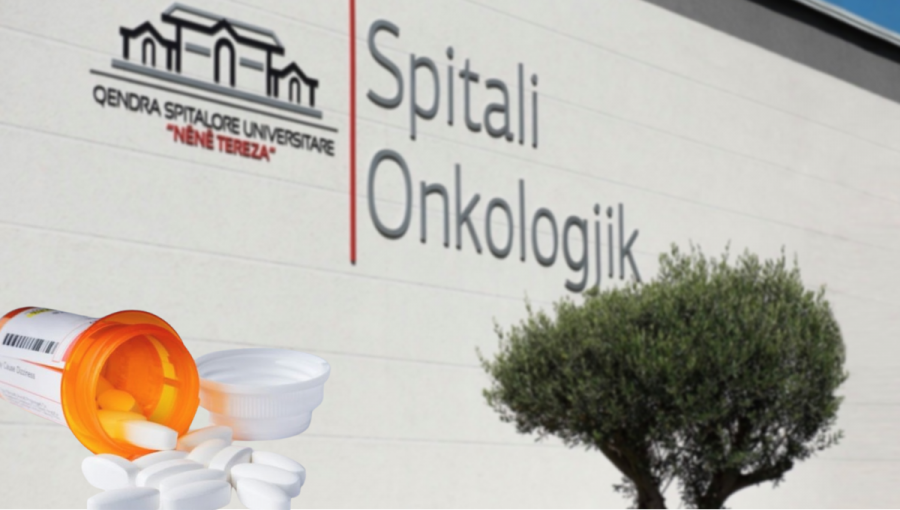
International statistics show a grim reality: cancer has become one of the leading causes of death in Albania, while lack of drugs, delayed diagnosis and corruption are making the battle for life increasingly unequal...
Silently, without political noise and without serious public debate, cancer is becoming one of the leading killers in Albania.
According to data from the World Health Organization and the Global Cancer Observatory, about 16% of all deaths in the country are related to tumor diseases.
Practically, one in six Albanians loses their life to cancer, ranking it as the second leading cause of death after cardiovascular diseases.
In absolute figures, this translates into 3,000–5,000 deaths each year, while the number of new cases is gradually increasing.
Lung cancer leads in mortality, especially in men, while breast cancer dominates in women; a picture typical of the Balkans, but with more serious consequences in a weak health system.
The problem is not just the numbers.
The problem is the system that fails in the face of disease.
In Albania, cancer diagnosis often occurs at advanced stages, when treatment is more expensive, more aggressive, and less likely to be successful. Screening programs exist on paper, but function poorly in practice, while a lack of information and citizens' distrust exacerbate the situation.
Most alarming is the chronic shortage of oncology medications.
Patients and their families often report that basic medicines are lacking in public hospitals and must be obtained privately, at a cost unaffordable for most. In this fragile terrain, rampant corruption thrives, where treatment, priority on lists or even access to modern therapies is often perceived as linked to “recognition”, kickbacks or informal channels.
Unlike EU countries, where cancer is gradually turning into a manageable chronic disease, in Albania it often remains a death sentence.
Not only because of the disease itself, but because of a system that does not guarantee equality, transparency, and dignified treatment.
If today one in six Albanians dies from cancer, the question that needs to be asked is not just medical. It is political, institutional and moral: are Albanians dying from cancer, or from the state's failure to protect them?/ Pamphlet



Lini një Përgjigje