


 Shkruar nga Pamfleti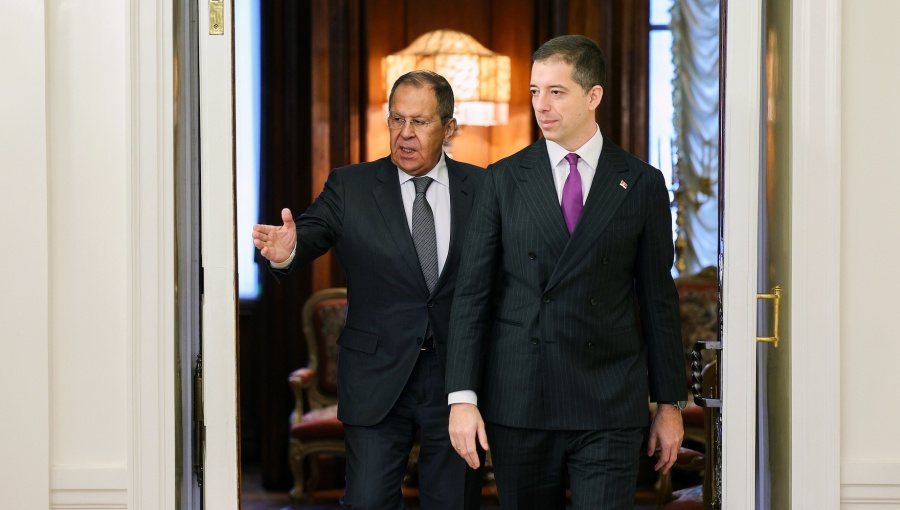
In the recent general elections in Kosovo, negative remarks about Prime Minister Albin Kurti by US special envoy Richard Grenell shortly before the vote may have contributed to the loss of support for Kurti's left-wing Vetëvendosje party, which came in first place but lost its parliamentary majority. Negotiations to form a new government continue.
Geopolitically, the world has shifted on its axis since Donald Trump returned to power in the US. The country traditionally considered the leader of the free world is now at ease with dictators while distancing itself from its democratic allies.
This shift became abundantly clear this week with two major developments. Trump’s call with Vladimir Putin appeared to lay the groundwork for a possible deal on Ukraine—one that excludes Kiev and all European leaders from the negotiating table. Second, U.S. Vice President J.D. Vance’s inflammatory speech at the Munich Security Conference (MSC), in which he criticized European leaders and signaled that Washington no longer aligns with their democratic values.
If there was any doubt that the Trump administration’s allegiance lay with Europe’s resurgent far right, Vance’s actions reassured him. Instead of meeting with German Chancellor Olaf Scholz, he chose to hold discussions with Alice Weidel, leader of the far-right Alternative for Germany (AfD). His speech at the MSC referred to Romania’s 2024 presidential election, which was canceled and rescheduled amid concerns about possible Russian interference and questions about the campaign financing of the far-right’s leading candidate, Calin Georgescu.
There are clear signs that Trump and his supporters are politically closer to Putin than to the democratic leaders of the EU. Trump has often spoken admiringly of his Russian counterpart.
Putin has already secured a diplomatic victory by engaging Trump directly. Moreover, the US president appears not to object to Russia retaining its territorial gains from the invasion – which would set a dangerous precedent, including in Southeast Europe, where numerous disputed borders remain from the breakup of Yugoslavia.
Another aspect of Washington's new foreign policy is that the US is not only reducing foreign aid, but also withdrawing from its role, since World War II, in European security and defense. During his visit to Brussels, US Secretary of Defense Pete Hegseth urged European countries to take more responsibility for their own security. Trump has also previously suggested that he might not support NATO defense members that fail to meet their defense spending obligations.
Russia's withdrawal
The sudden shift in the US position from defender of democracy to champion of the far right and interlocutor with Putin has clear implications for Southeast Europe.
Russia had long since withdrawn from the region. Of the 11 countries in Southeast Europe, all but 4 are members of NATO. Four states are members of the EU, and all the others are candidates or aspiring candidates.
Even former close allies have moved to the Western camp. Bulgaria, once called the "16th Soviet Republic," is now a member of NATO and the EU. Similarly, Montenegro is an EU candidate country and joined NATO despite covert Russian efforts (including a failed Russian-backed coup attempt) to prevent the country once known as "Moscow by the Sea" from joining the alliance.
In contrast, Romania's ties with Russia were much weaker.
The situation is quite different in Croatia and Slovenia, where the main right-wing parties—the ruling Croatian Democratic Union (HDZ) and the opposition Slovenian Democratic Party (SDS)—both have strong anti-Russian and pro-Ukrainian stances. In contrast, it is Croatia’s newly elected president, Zoran Milanović, backed by the center-left Social Democratic Party (SDP), whose pro-Russian stance is strong enough to have him labeled an enemy of Ukraine.
The geopolitical battlefield
Beyond the EU, the bloc's six aspiring members in the Western Balkans have long been a geopolitical battleground, with Russia competing with Western powers for influence. Moscow's power has weakened in recent years as successive countries have secured EU candidate status and joined NATO.
Until now, its remaining strongholds in the region were largely limited to Serbia – where President Aleksandar Vučić carefully balances relations with Russia, China, the EU and the US, but says EU accession is the country's foreign policy priority – and the Serbian entity within Bosnia and Herzegovina, Republika Srpska.
Megjithatë, shfaqja e një mirëkuptimi midis Trump dhe Putin mund të prishë këtë ekuilibër të brishtë. Vizita e ministrit të Jashtëm të Serbisë Marko Duric në Moskë këtë javë nuk është rastësi. Në një konferencë të përbashkët shtypi me homologun e tij rus, Duric foli për përkushtimin e Serbisë në rrugën e saj evropiane, ndërsa këmbënguli se Beogradi nuk do të linte pas dore "miqësitë e tij tradicionale" - një referencë e qartë për Rusinë.
Vizita përkoi me 17-vjetorin e shpalljes së njëanshme të pavarësisë së Kosovës – një veprim i mbështetur nga fuqitë perëndimore, por asnjëherë i njohur nga Serbia apo Rusia. Duric iu referua (por nuk shtjelloi) "ndryshimet tektonike në bashkësinë ndërkombëtare" që ai sugjeroi se mund të krijonin mundësi të reja për të rishqyrtuar çështjen e Kosovës.
Në Bosnje, presidenti i Republika Srpska, Milorad Dodik me mendje secesioniste, ka qenë prej kohësh një nga mbështetësit më të zëshëm evropianë të Putinit. Ai tani e ka shtuar Trumpin në listën e tij të heronjve, duke e cilësuar “një lider që sjell paqe dhe stabilitet në botë”, një akt që ka të ngjarë të jetë vetëm pjesërisht i motivuar nga shpresat e tij për të hequr sanksionet amerikane kundër tij.
Të inkurajuar nga rikthimi i Trump dhe afrimi i tij i dukshëm me Putinin, Dodik dhe partia e tij SNSD ka të ngjarë të vazhdojnë të pengojnë përpjekjet e anëtarësimit të Bosnjës në BE. Javët e fundit, koalicioni qeverisës në nivel shtetëror është thyer, me tensionet në rritje mes SNSD dhe partnerëve të saj.
Diku tjetër në rajon, disa vende, si Shqipëria dhe Kosova, mbeten të ankoruara fort në kampin perëndimor dhe u mungojnë lidhjet kulturore me Rusinë që mbajnë kombet sllave si Serbia. Megjithatë, ndryshimi i klimës gjeopolitike tashmë mund të ketë një ndikim.
Në zgjedhjet e fundit të përgjithshme në Kosovë, vërejtjet negative për kryeministrin Albin Kurti nga i dërguari i posaçëm amerikan Richard Grenell pak para votimit mund të kenë kontribuar në humbjen e mbështetjes për partinë e majtë Vetëvendosje të Kurtit, e cila doli në vendin e parë, por humbi shumicën e saj parlamentare. Negociatat për formimin e qeverisë së re vazhdojnë.
Kryeministri i Maqedonisë së Veriut, Hristijan Mickoski, pavarësisht se ndante prirje ideologjike me politikanë të djathtë si Orban, përdori fjalimin e tij në Konferencën e Sigurisë në Mynih për të kritikuar BE-në për dështimin për të hapur bisedimet e pranimit. Ai e quajti qasjen e bazuar në merita të bllokut ndaj zgjerimit si një "përrallë", megjithëse zhgënjimi i tij dukej më shumë i rrënjosur në përparimin e ngadaltë të ofertës së anëtarësimit të Shkupit sesa në çdo qëllim për të riorientuar politikën e jashtme.
As US foreign policy priorities shift under Trump 2, the Balkans’ political landscape is once again in flux. The new Washington administration’s dismissal of its traditional Democratic friends and outreach to far-right and pro-Russian politicians in Europe has already emboldened its new allies in Southeast Europe, both inside and outside the EU. This paves the way for Russia’s return to a region from which it has long been withdrawing. /Adapted from Pamphlet by IntellNews/



Lini një Përgjigje