


 Shkruar nga Grace Macaskill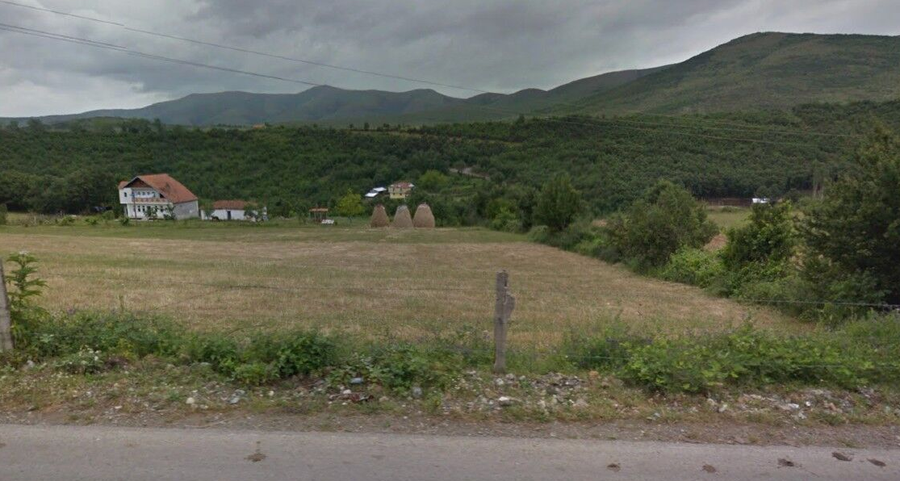
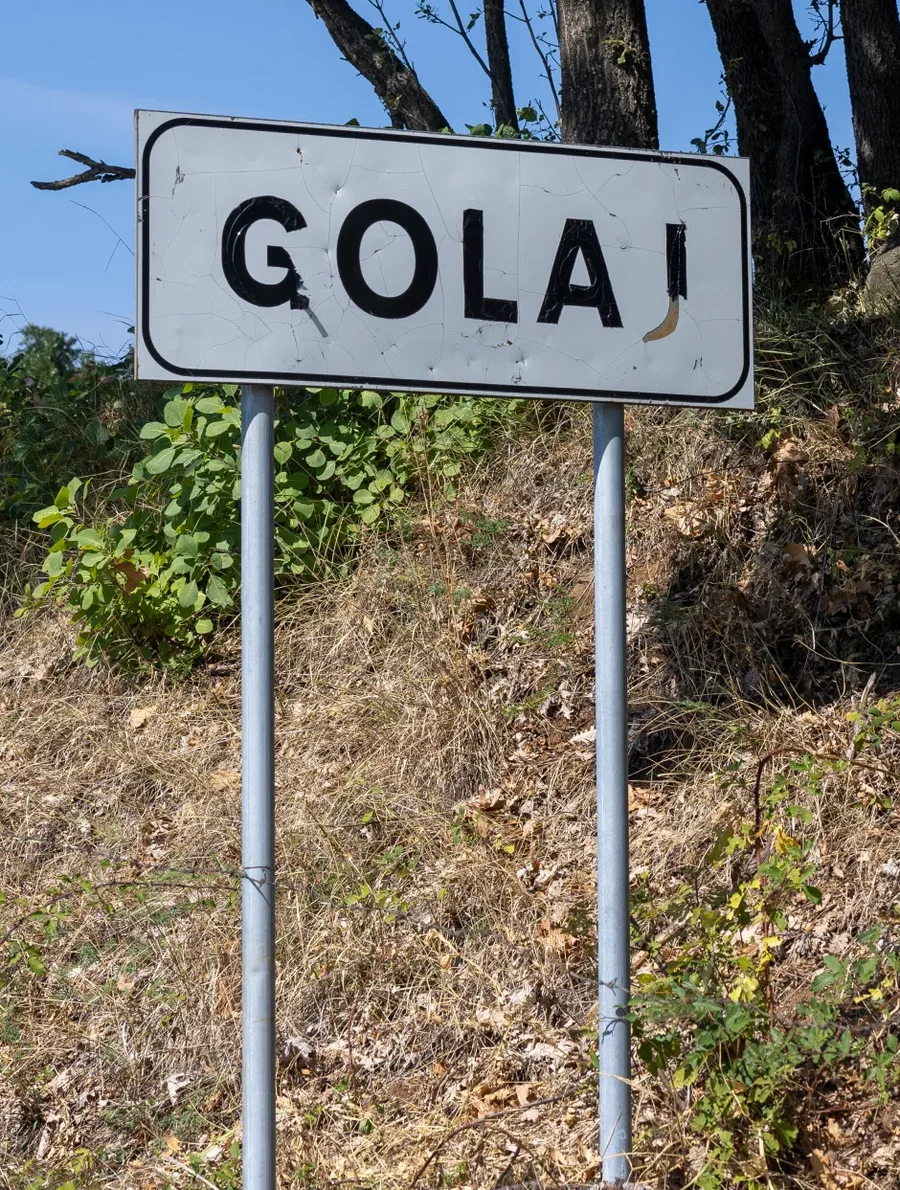
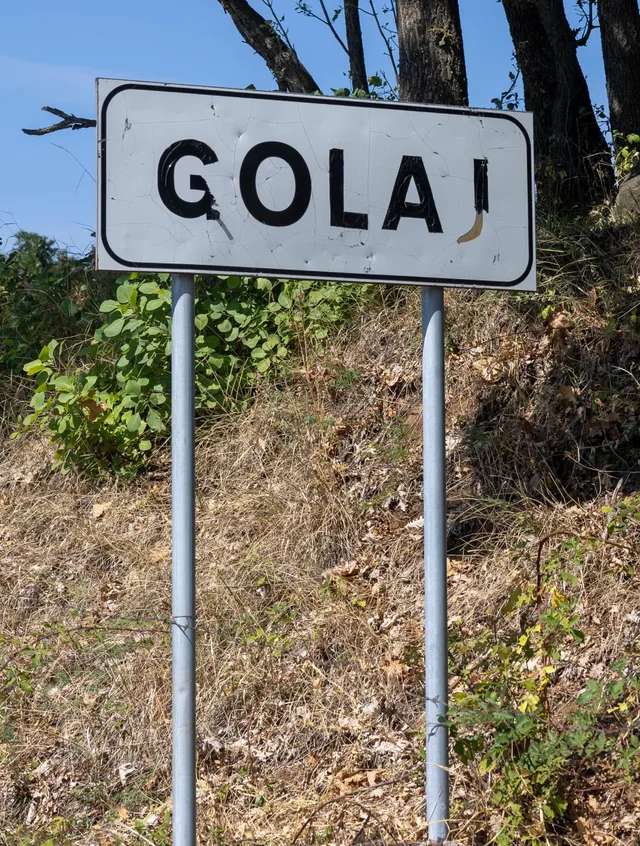
Golaj is the birthplace of two Albanian brothers deported from the United Kingdom after being accused of being members of an organised crime network by the National Crime Agency...
Golaj is a village in northwestern Albania with a current population of around 4,000 and just a ten-minute drive from the city of Has. In recent years, most of the community's young people have left in search of a better life.
The only jobs available in the village are usually low-paying jobs in agriculture or in roadside cafes, which rely on passing tourists. Residents estimate that 6 in 10 of the community's young people have moved to the UK in search of better-paying work. The exodus has been so great that one local told The Sun with irony: "There aren't any gangsters left here because they're all in the UK."
Shop owner Sulejman Brati hasn't had a single customer in hours. He says only a handful of locals cross the threshold of his shop each day as he struggles to make enough money to live.
The 67-year-old is forced to rely on the help of his two sons, who he admits are living illegally in Britain, one who went hidden in the back of a truck and the other who paid smugglers to cross the Channel in a boat.
"Albania used to be known for mineral production, now it's emigration," he says sadly.
Migration is so widespread that the village school loses at least a dozen pupils each year and businesses and farmers struggle to find workers as the younger generation pursues a new life in Britain.
It is no wonder that Albania's youth are drawn to crime, when desperate families proudly boast about their children's "success" in Britain, asking few questions about where their money comes from.
In rural areas, it is not uncommon to see locals in their 20s and 30s driving around in expensive cars with British plates, especially Audis and Mercedes. Luxury villas are scattered across the hills, but most are empty.
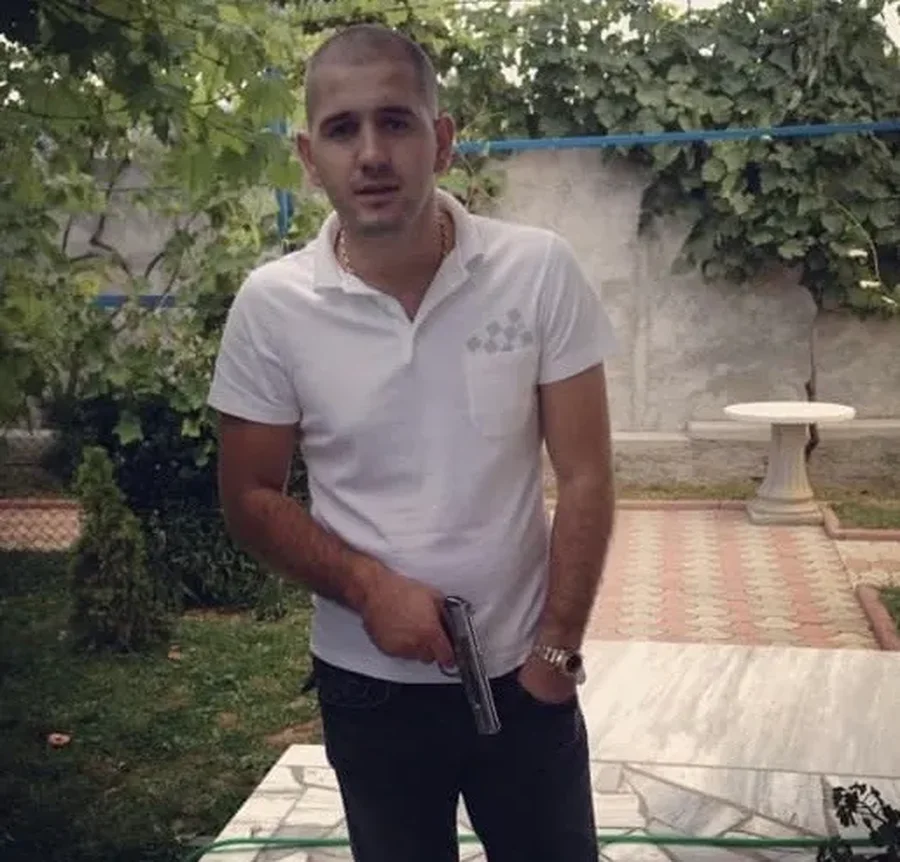
Sources told The Sun that many of them were set up to launder money from criminal enterprises in Britain.
Golaj is just a ten-minute drive from Has, a town that has earned the nickname Little London because many of its residents now live in Britain.
According to the former mayor of Has, Liman Morina, every family in the town, which is three hours away from the capital Tirana, has one to three relatives in the United Kingdom.
Avoli Brati, 34 vjeç, banor i zonës , thotë se gjashtë nga 12 anëtarët e familjes së tij tani jetojnë në Britani pasi kanë hyrë ilegalisht.
Ai thotë se tradita familjare dikton që një fëmijë të qëndrojë në shtëpi për të ndihmuar në kujdesin e prindërve të moshuar, ndërsa pjesa tjetër zakonisht largohet nga Shqipëria.
“Ata shkojnë në Mbretërinë e Bashkuar për të fituar para dhe ia dërgojnë familjes. Të gjithë kaluan ilegalisht në pjesën e pasme të një kamioni përmes Dunkirkut dhe Calais, por tani janë të ligjshëm dhe punojnë. "Më i vogli ishte tre vjeç kur u largua dhe tani është 13 vjeç”, shprehet ai, shkruan The Sun.
Vëllai i tij Festim, 42 vjeç, pagoi 6,000 paund për të hyrë në Mbretërinë e Bashkuar 11 vjet më parë, duke u fshehur nën sediljen e një kamioni, ndërsa një vëlla tjetër u fsheh nën një mushama.
Babai i tre fëmijëve rrëfen se “familja dhe miqtë kursenin para dhe shisnin çdo gjë që kishin, në mënyrë që të paguanim kontrabandistët e njerëzve për të arritur në Mbretërinë e Bashkuar. Tani unë dërgoj para në shtëpi për t’i ndihmuar ata.”
“Nuk ka të ardhme për fëmijët në Shqipëri. Çfarë ka për të bërë këtu? Nuk ka punë dhe as para. E dua vendin tim dhe nëse do të kisha një punë të paguar mirë, do të qëndroja këtu. Sigurisht, shqetësohem për të ardhmen e Shqipërisë dhe çfarë do të ndodhë kur të gjithë të rinjtë të largohen, por nuk mund të qëndroj këtu.
Fëmijët e mi tani marrin një arsim të mirë dhe e konsiderojnë veten anglezë”.
Ndërsa shumica dërrmuese e shqiptarëve janë qytetarë që zbatojnë ligjin dhe krenohen me etikën e tyre të punës, lidhjet me bandat kriminale dhe të drogës për fat të keq janë bërë disi famëkeqe.
Një në 50 shqiptarë në Mbretërinë e Bashkuar ndodhet në burg, sipas shifrave të Ministrisë së Drejtësisë për vitin e kaluar.
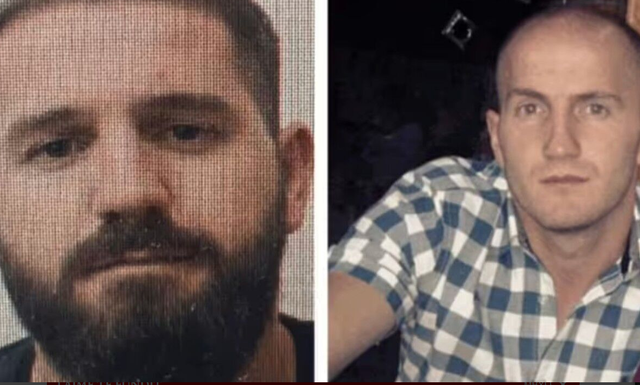
Në fakt, Golaj është vendlidja e dy vëllezërve shqiptarë të dëbuar nga Mbretëria e Bashkuar pasi u akuzuan si anëtarë të një rrjeti të krimit të organizuar nga Agjencia Kombëtare Kundër Krimit.
Isuf dhe Fation Dauti punonin në ndërtim dhe pastrim në Mbretërinë e Bashkuar, por shpejt u panë duke spërkatur me ujë të pijshëm.
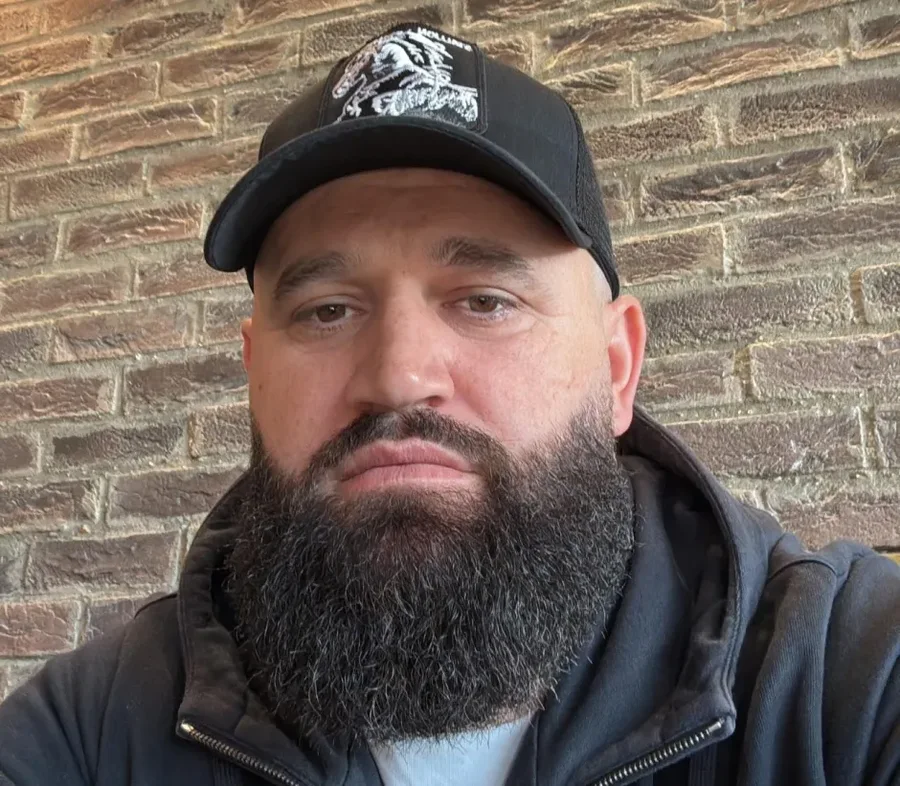
Pavarësisht se merrnin paga modeste, vëllezërit jetonin në luks, duke shpenzuar para për veshje firmato në Harrods, duke ngarë makina luksoze, përfshirë Bentley, dhe duke marrë me qira një apartament me vlerë 2,700 paund në muaj në Chelsea.
Megjithatë, Agjencia Kombëtare Kundër Krimit në vitin 2021 tha se provat tregonin se Fationi, 40 vjeç, ishte pjesë e një bande shqiptare të përfshirë në drogë, kontrabandë njerëzish dhe pastrim parash.
Ai u përshkrua nga agjencia si një "rrezik për sigurinë kombëtare".
Pas largimit të tij nga Mbretëria e Bashkuar, vëllai i tij Isuf thuhet se ka marrë një rol "më aktiv" në bandë.
The brothers have two cousins who are also from Golaj and who were the masterminds of a gang that allegedly smuggled hundreds of illegal immigrants, including children, into Britain, using lorry trailers.
Migrants had to pay 13,000 pounds for a seat in the front and 8,000 pounds for a seat in the back.
The migrants' hands and feet were wrapped in plastic bags to avoid leaving traces of DNA.
Alket Dauti, 38, fought extradition for two years before being sent to Belgium, where he was sentenced to ten years in prison for people smuggling.
He served only half of his sentence before being deported to his country of birth.
But Alketi, who lived in Bromley, Kent, secretly returned to the UK and in May this year was jailed for eight months after pleading guilty to entering the country without permission.
Cousin Kujësi Dauti, 41, was convicted in absentia by a Belgian court for participating in the same smuggling operation, but has been fighting extradition for seven years.
The construction worker and father of two is appealing the decision, but his case has been delayed as he awaits sentencing for vehicle hijacking in the UK.
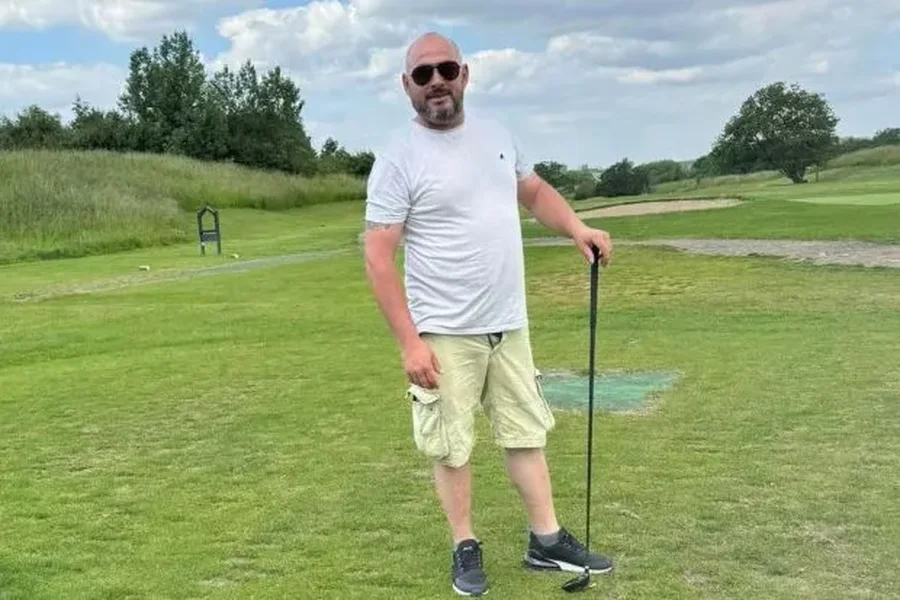
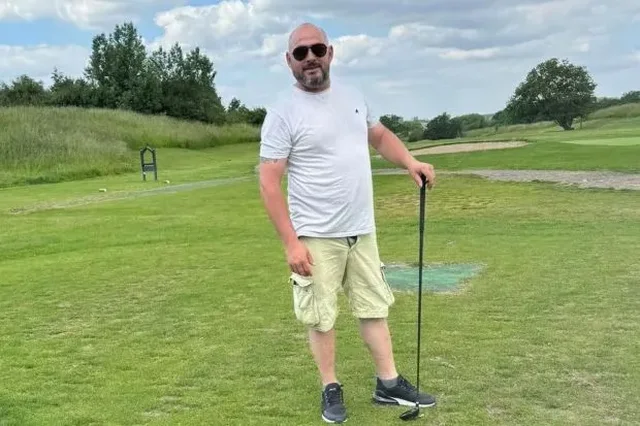
In January, The Sun revealed photographs of Care enjoying a round of golf while his case was being considered in the legal system.
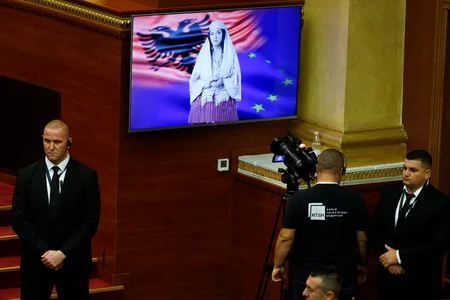
In Albania, many of the older generation fear for the future of their country, which was the last Balkan state to escape communism in April 1990.
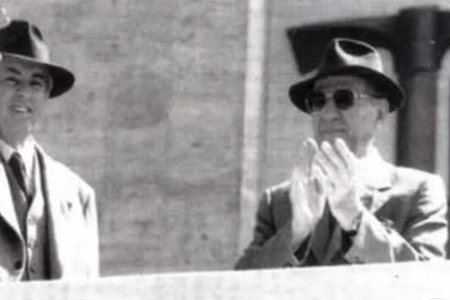
The country was so isolated that many citizens had no idea that the Berlin Wall had fallen in 1989.
The communist regime failed to invest in vital infrastructure such as roads, electricity, and drinking water, and the transition to a free-market democracy proved challenging.
High levels of unemployment were seen, pushing many Albanians to flee the country, a tradition that continues today, especially in rural areas like Golaj, where many rely on small farms for sustenance.
One cafe owner told us: "Look around, there are no young people here. Children are constantly missing school because their parents take them to Britain, and I can't find any workers to do the things that need to be done."
Shop owner Juleman Brati, who has five children, thinks 60 percent of the younger generation has left the village. "They've fled," he says.
"But if my boys didn't send money home, I would have nothing. I haven't seen them since they left in 2011 and they can't come back because they don't have papers to return to Britain," he says. / Adapted from The Sun /




Keta janë djem të mirë. Zotni Rama duhet të shqyrtojë mundësinë që tu japë detyra të rëndësishme në qeveri.