


 Shkruar nga Pamfleti
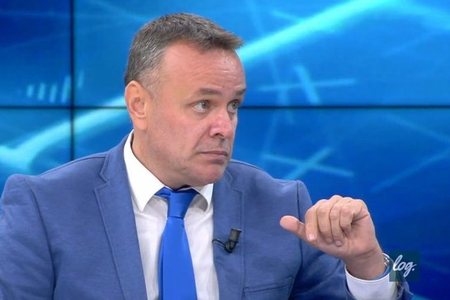
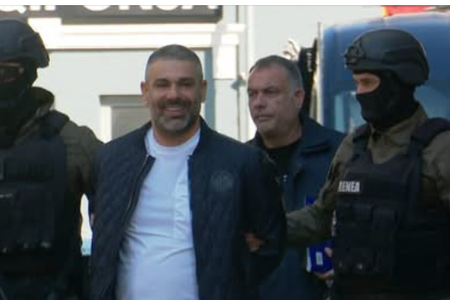
Investigative journalist Artan Hoxha has commented on the assassination attempt that occurred today against Julian Sula, known in the criminal world as Juli i Pashako.
Sula was injured, while the incident has brought back to attention the long history of clashes that have affected Lushnja and its main figures.
According to Hoxha, Sula had been living outside Albania for years, mainly in Dubai, due to the tense situation that had arisen in Lushnja after the crackdown on the group led by Laert Haxhiu. After Laert's arrest in Greece and his extradition to Albania, as well as the crackdown on other important associates, the structure that had dominated the area for nearly a decade was destroyed.
This, according to the journalist, left Sula as the most exposed name in the territory, despite the fact that he had maintained his connections and his people. For years, Lushnja had been shaken by clashes between criminal groups, creating tensions that resembled the post-'97 situations.
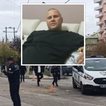
Hoxha explains to "Euronews Albania" that today's assassination should not be seen as an isolated incident, but as part of a long history of rivalries, shifts of power on the ground, and efforts to reformat criminal structures after the fall of Haxhiu's group.
Artan Hoxha: Julian Sula, also known as Juli Pashaku, has spent the last few years mainly in Dubai and outside Albania. His departure is related to the developments in the serious events that took place in Lushnja during the pandemic and afterwards, when the well-known Laert Haxhiu group was targeted, a very active and violent structure that caused panic and insecurity in the city for almost a decade.
Although there had been a distance between Sula and Haxhiu's group towards the end, after the neutralization of Laert, he seemed to be left alone in the territory of Lushnja. Laert Haxhiu was initially captured in Greece and then extradited to Albania. The arrest of other important members, such as Anterio Kaloshi in Tirana and Orges Bilbili in Pogradec, hit hard the structure that had operated for many years and had taken people's lives, creating a climate of fear in one of the most peaceful and working cities in the country.
The situation in Lushnja brought back the feeling of insecurity that the city had only experienced in the period after '97, when the so-called Lushnja Gang led by Aldo Bare was active. Although there was often talk of "rivalry" between today's groups and the old structures, in reality there was no direct clash, the involvement was more related to family members or close people, since the former gang had de facto disbanded long ago.
The majority of its former members are still in prison with serious sentences, which shows that they have not been able to benefit from the judicial system in the way that other organizations have. At the time of its activity, this structure was powerful and tough, but some of its justice collaborators emerged from its ranks, which led to internal strife within the group.
In this reality, after the fall of Laert Haxhiu and his network, it seemed as if Julian Sula had remained the most visible figure in the area, although he still maintained his people and influence.
It seemed as if he was surviving the developments in the city of Lushnja and his stay away for a while seemed to make his presence forgotten. But in fact, those who had him as a target, seeing that he no longer has the protection and immunity he had before, that is, he no longer has the allies or the support they had, because the greatest power stemmed from the support they had in the ranks of the police structures. So, the police actions failed every time. So, RENEA failed because they were notified in time and was always one step behind. In the specific case, when these elements moved and no longer had this protection and advantage of the past, he became the target of rivals. The fact that he was moving in an armored car.



Lini një Përgjigje