


 Shkruar nga Pamfleti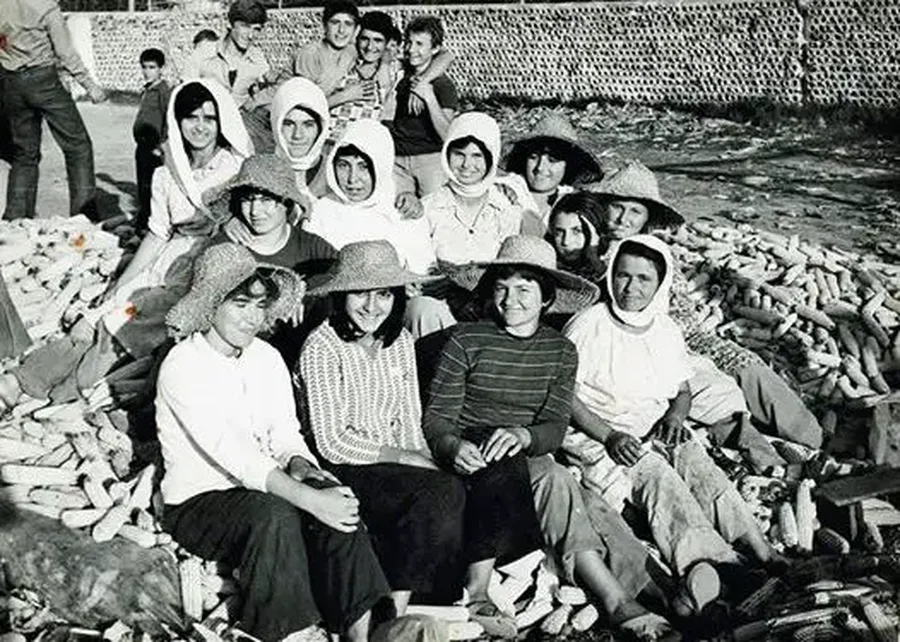
Big families are named as such, because of prominent people, because of the wealth they owned and because of the influence they exercised in the social environment, at a given time. Historical turns have started from large families. Skanderbeg gathered the heads of large families in the Assembly of Lezha. Ismail Bey Vlora did the same. No union could be established without the will of large families, which were also called chimneys or gates. They had the wealth, territory and above all they had the most knowledgeable people of the time, in a certain territory.
He justified the sacrifice of the family, he graduated as an engineer with an excellent degree. He graduated not only for his family, but also for Albania. During the war, together with two friends who graduated in France, he founded an electrical company that dealt with electrical installations in Tirana and other cities.
But the events unfolded in such a way that Petriti was forced to archive his university degree and continue his life in the communist gulags, with his wife of Italian origin, Elena, and his only son, Eugene. Why? For the sole reason that his father was declared a traitor to the Motherland, even though he served him, as explained above.
Under the conqueror, the Albanians either had to die slowly, or regenerate the progressive forces of survival. This was assured by the Albanian governments of the occupation, who knew them, who spoke the same language, who were of the same blood. How they were treated by historiography is already known. History is not made by assumptions. Whoever exceeds the duty, let him answer; this is the historic law that punishes delinquent governors, of all political colors.
Although here we have a problem, not of the second order. Who has the right to do the review, who gives the grade? It is about six years, which was more than a tenth of the average life time. It is a sufficient period to judge anyone, with documents, testimonies, proofs.
Where did I find this degree of recognition for Mustafa Kruja (Merlika), when he was older than my father and I was educated in all stages of the Enverist school, where Mustafa Kruja was treated as the leader of the betrayal? This question arises naturally. For better or for worse, I have followed most of the internment-deportation camps that operated on the former monist state farms with civilian work.
Some of these camps were more liberal, such as those of Libofsha, Shtyllas-Levan-Fier, Çermë (Tërbuf), Savra, and more conservative those of Gjaza, Pluk, Grabjani and especially Gradishta of Lushnja. In these camps, I worked hard, in the role of a specialist. I am familiar with the life of political exiles and those expelled from their homelands, to ensure that they do not escape to the west.
In these residences, I lived with my whole family, except for Pluk. My life differed from the internees, because I did not appear for appeals and performed a lighter physical job than that of digging drainage channels. I have extensively reflected the coexistence with exiles-deportees in my books. I am mentioning several tribes: Vrioni, Ndreu, Delvina, Kolonja, Toptani, Bitincka, Mile. I had friendships with many internees, whose intellectual level was much higher than mine and who had suffered and served the most brutal prisons of the dictatorship. I befriended them, not to say I fraternized.
There I learned that the history of Albania had many differences from what I had learned in school. From their mouths, I learned who the real Mustafa Kruja was, which I clarified above. But the validation of those conversations that I had with some of those who had created trust in me, I have done by reading some of the books that have been published in these years, manuscripts or collections of writings, published in ten years.
I have known Mustafa's son Petrit physically, but not in a direct working relationship. I adored Engineer Petrit from afar, as a living saint. To know who this man was, I am bringing to mind his portrait: average body, straight, serious, silent, human. Followed the road from the house to the office - Pluk and back.
Before the workbench, he put on his cape and began milling cylinders and pistons, to regenerate the mechanical tools of the former farm. He received written orders and thus delivered them to the office manager. He did not communicate with anyone, within working hours, even outside of it.
I had tried to talk about some work problem in passing, but he had addressed me to the manager, Tune Harshorva. He did this communication with every employee who asked him, even the director. As I judge today, this was a kind of conviction. For that accidental state, you should also doubt yourself. But maybe it could also be a manifestation of the idea, of respecting the rules, with which he had been educated since childhood, in Italian colleges.
He never gave me direct recognition, despite the fact that I desired this recognition, not to talk about his fellow prisoners, but to recognize in conversation, a living human enigma. He spoke with his silence. It was silent protest. That silence spoke louder than any lecture. Petrit's stay in Pluk - Lushnjë is an unrepeatable legend of an outstanding intellectual who lives in a sick environment.
Ajo fermë–lubi, kishte mbi një mijë mjete mekanike lëvizëse. Një ditë të mos punonin mjetet, ferma falimentonte. Zëmra e ofiçinës që mirëmbante mjetet, ishte retifika, një frezë e precizonit të lartë. Një devijim, sado i vogël, në rektifikimin e këmishës kushtonte shkatërrimin e motorit.
Të kuptohemi, jo retifika si instrument, por manovruesi i saj, e kthente motorin në të ri. Saktësia e inxhinier Petritit, ndante fijen metalikë sa fija e flokut për së gjati. Pa retifikën e Merlikës, ofiçina nuk mund të funksiononte. Këtë m’a kanë pohuar inxhinierët mekanikë, m’a konfirmojnë dhe sot, në bisedat tona, këtu ku banojmë.
Petriti me familjen jetonin të internuar në qytezën bujqësore të Plukut, 5 km. larg Lushnjës, ku unë u emërova përgjegjës i sektorit bujqësor (1975 -1978). Në këtë sektor gjeta një situatë inkandeshente të luftës klasore. Dy agronomë të sektorit, nga tre që ishin gjithsej, ishin të pushuar nga puna për motive politike.
Ishin miqtë e mi dhe bashkë-studentë. Donika Vrioni (Omari) ishte nënë e dy fëmijëve, por rrinte pa rrogë, kur edhe me rrogë, me vështirësi sigurohej mbijetesa. Se cila ishte kjo zonjë, mjaftojnë të dy mbiemrat që mbarte mbi vete. Agronom Javer Halili, kishte gati 28 vjet që punonte në fermë, por ishte vëllai i kulakut të Bençës në Tepelenë.
Kur ndaj dy specialistëve të lartë, qytetarë të lire, mbahej ky qëndrim, kuptohet lehtë cila ishte sjellja me të internuarit. Ishte shumë e rëndë, që unë të dystohesha në karrigen e zyrës dhe bashkë-studentët, të vuanin për bukën e gojës. Unë kisha firmën që shpenzoheshin paratë dhe jepja frontet e punës për punëtorët, në një qytezë me tremijë banorë. Dy kolegët e mi rrinin pa punë dhe unë nuk isha në gjendje t’i ndihmoja. M’u mërzit jeta!
Të ktheja këta në punë, do të armiqësohesha me Byronë e Partisë të sektorit dhe me Komitetin e Partisë së ndërmarrjes, që bënin ligjin realisht, në qytezën politikisht të elektrizuar. Shumë e ngarkuar ishte jeta emocionale në vitet e ashpra të luftës klasore. Vijova të ecja bashkë me ta, në një hapësirë, të marrë po thuaj me akord, shtruar me gozhdë .
Një pjesë të fiseve të internuara i njihja, si Barollët dhe Kollçinakët, sepse me të afërt të tyre kisha banuar familjarisht në Çermë (Tërbuf). Këtu banonin edhe familje të panjohura për mua, si familja Kurt Kola dhe shumë të tjerë. Mësova se në këtë lagje, banonte familja Petrit Merlika. Familja punonte diku në brigadën e katërt të fushës.
Unë nuk mund të lëvizja punëtorë nga brigada e katërt, për në një brigadë homologe, edhe se kompetenca ligjore fliste ndryshe. Jo vetëm detyra ime, por çdo detyrë shtetërore, kishte kuptim të dyzuar. Do punoje më krahët e tua dhe do mendoje me mentë e shtetit. Kjo ishte diktatura që na sundonte.
Duke pasur dijeni të saktë për familjen Merlika, më dhimbsej Eugjeni, me fizik delikat, maturant i shkëlqyer i gjimnazit të Lushnjës, përditë punonte me normë në kanale dhe procese të tjera të vështira bujqësorë. Shumicën e herëve nuk e gjeja në brigadë, sepse ishte në frontin e punës. Brigadieri më pati thënë se çdo ditë, merr me vete belin dhe librin.
Shfrytëzon çdo pushim, sado të vogël, për të studiuar. Studionte pa ndërprerje. Nuk mund të jetonte pa studiuar, por studionte pa jetuar plotësisht i lirë. Studimi i u bë natyrë e dytë, pjesë e karakterit. Nuk e pashë asnjëherë rrugëve. Për klubin nuk bëhej fjalë.
Shkolla e mesme kryen formimin intelektual të njeriut. Ajo të rrënjos dëshirën për dituri të mëtejshme, sepse të mëson se dituria është pa fund. Shkolla e lartë, kryesisht, i jep njeriut specializimin profesional. Eugjeni po plotësonte veten, me studim individual intensiv. Diplomës së shkëlqyer të maturës, po i bashkëngjiste një univers të pakufishëm të vet-aftësimit intelektual dhe i a arriti t’a bëjë, në mënyrën më të plotë të mundshme.
Në të tëra kampet e internim-dëbimeve, në të cilët kam banuar, kam vërejtur se banorët e lire, janë përkujdesur, solidarizuar, i kanë ngushëlluar, heshtazi dhe drejtpërdrejt të internuarit. Nuk mbaj mënd as një zënkë, ngacmim, as një sherr. Nuk bëhet fjalë për krime, qoftë dhe ordinere. Psikologjia popullore është më fisnikja dhe më e gjëra.
Në se ka ndonjë njeri që njoh, që ka sfiduar totalisht mungesën e arsimit të lartë, ai është studiuesi, publicisti, analisti dhe historian, Eugjen Merlika. Ai dhe sot më shumë lexon se sa shkruan. Këtë e dëshmon niveli shkencor, gjuhësor dhe letrar i veprës së tij, të shkruar në vitet e rivendosjes së pluralizmit në Shqipëri. Eugjeni është një nga firmat më të shquara të shkrimeve studimorë, historikë, kujtime, kritika letrare, përsiatje. Të tëra shquhen për thellësi mendimi, objektivitet të analizës, ndjenjë njerëzore dhe vërtetësi të dokumentuar.
Një vepër e shquar e Eugjenit është drita që hodhi mbi veprimtarinë jetësore dhe intelektuale të Mustafa Krujës. Ai nuk ishte vetëm gjyshi, por një firmëtar i Pavarësisë, një atdhetar i vendosur, një pionier i përparimit në rrugën perëndimore të kombit, një luftëtar i paepur i bashkimit të tij, një nga njerëzit më të ditur e më përfaqësues të tij, një gjuhëtar, një historian, një publicist, një politikan vizionar e largpamës, që u përbalt padrejtësisht gjatë 50 vjetëve, duke u cilësuar si tradhtar i kombit, nga ata që kombin e bashkuar, edhe për meritë të tij, i a dorëzuan, sa hap e mbyll sytë, komunistëve serbë.
Me këtë frymë u edukuan tre breza shqiptarësh. Nuk është e lehtë të përgënjeshtrosh një makineri mashtrimi të mirë-menduar dhe të lubrifikuar shtetërore, dhjetëvjeçare. Eugjeni, ashtu sikurse të tjerë studiues seriozë, dhanë ndihmesën për t’i paraqitur shqiptarëve në dritën e saj të vërtetë, figurën e Mustafa Krujës. Eugjeni vijon të shkruajë dhe të botojë, në shumë gjini.
He still hasn't touched his maternal line, but he is working on the preparation of a volume of his grandfather's journalism, the well-known journalist, in the first quarter of the 20th century, the colonist Sotir Gjika, whose activity took place on many in the USA and in Italy, where he lived the last 15 years of his life, creating a family and obtaining Italian citizenship.
Eugene's work is very reliable for generations, because it is the pen that was born, grew up and stood against Albanian Enverism, without compromise. He also writes about the fragile quarter-century-old democracy, which carries unforgivable flaws. The versions criticized and others proposed by Eugene are rarely found even in authors with names and ranks. It cannot be otherwise.
I did not imagine that Eugene would find the energy, knowledge and will to bring the ancestral family to the deserved place on the altar of large families, unjustly denied by communist brutality. I feel proud of Eugene, my former co-resident of Pluk in Lushnja. I thank Professor Thanas Gjika and publicist Roland Qafoku, who encouraged me to publish the thoughts, experienced for a long time, about the honorable Merlika family.
I don't call it out of context, but I present some considerations for the honorable layer of the politically persecuted of communism with whom I have lived together as a family. This oppressed layer had the worst fate in the Albanian communist society. In addition to suffering, they gave a lot to society through forced labor in public works. They created more than one Albania that they found.
The leaders of the bodies of this layer have learned more about compensation than the opportunities that should have been created for the integration of the layer in politics and governance. The same attention should be paid to cleaning this layer of ex-prisoners without political motives and civic morals, which damage its image. Individual efforts, when combined, are highly effective. Eugjen Merlika demanded everything from himself, becoming an inspiring example for the whole class.
To put it bluntly: a mechanism must be found to place in leadership and legislative positions, really integrated people of this stratum, including the educated descendants. This layer doesn't just need compensation. It has been sacrificed for the European rule of law. It must be made clear that the class of the persecuted values freedom, democracy more than anyone and really hates governance and corruption.
They paid the bill for extreme inequality. In these conditions, the older generation must become aware of handing over the baton to the hands of the erudite generation, mainly the integrated and educated persecuted. A reform program must be implemented to deny the bitter past of even this illusory transition. / Memory.al


Lini një Përgjigje