


 Shkruar nga Pamfleti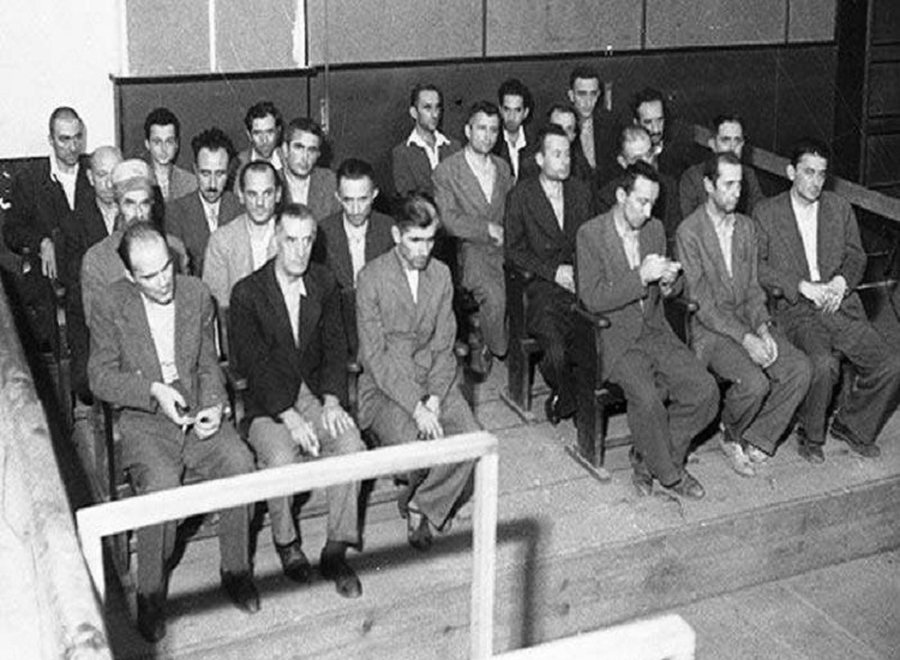
The well-known translator and editor in a confession about her work with translation, childhood, love and relationship with her husband Luan Omari, motherhood, etc. The arrests at the "Naim Frashëri" Publishing House and the memories of Bahri Omar...! She keeps fresh in her memory the period when she worked as an editor at the "Naim Frashëri" Publishing House.
For a man who dealt with the book, the years of the dictatorship were not easy at all, on the contrary. However, Donika Omari knew how to enjoy even under pressure. The wife of Bahri Omari's son, Luan Omari, she was also the daughter-in-law of Enver Hoxha's grandson, but this fact does not seem to have greatly conditioned her intellectual activity. In one of her confessions, Mrs. Donika Omari talks about all these memories, as well as her love for literature and her family relationships.
******
Mrs. Donika, you worked for many years at the "Naim Frashëri" Publishing House, as an editor and then as a manager in the foreign literature editorial office. How comfortable did you feel working there and did the fact of being a woman in a leadership position affect you?
I started working as a literary proofreader at the "Naim Frashëri" Publishing House in 1957. My friends told me: "how do you not get bored reading all the time"?! While I thought: "How is it possible, I read novels and get paid for it", so I was getting paid for a pleasure. But later, the publication criteria became more and more strict, and, often, to the detriment of quality... and it is understood that being forced to work on a poor work is no longer a pleasure, but the opposite. In these cases, it is better to read a manual on agriculture than literary mediocrity.
Over the years, I was appointed editor and then editor-in-chief for foreign literature. There you had to work with great care, under the conditions of a censorship that was sometimes stricter and sometimes more liberal. It was possible that for a very small thing, for a phrase, for a name, the whole work could go to waste, apart from the consequences that would have the editor and the person in charge of the editorial office. Regarding the question you ask about being a woman in a leadership position, I can say that I have not had any problems. In the editorial office, we had understanding and respect for each other.
Have you ever suffered for the sake of censorship?
For some time, I worked as an editor in Albanian literature. There was a case when a book about Sevasti Qiriazi was published. I was the editor of the book. The author, Skënder Luarasi, had made a summary of her works and there he was mentioned as a patriot H. Mborja, who had been a fighter for independence, had also fought against Greek attacks, but later he was associated with Zogu, so he should not be mentioned in the book. The book went to the printer. There I don't know who noticed it and it became a problem. As a result, I received as a punishment a severe remark with a note in my biography, which I still keep today as a reminder of a tough time.
The author of the book, S. Luarasi, came and apologized to me, saying: "You are young and could not recognize this name, I should have been more careful." Then, in the foreign literature editorial office, I received some remarks from the press department of the Central Committee, but without any serious consequences. I remember that the publication of a collection of Gorky's writings on literature was blocked. Gorky expressed such an opinion: "To be afraid of foreign influences means not to have faith in the working class of your country."
They called us, the director, Thanas Leci and me, to the Central Committee of PPSh. Fortunately, the director defended the book and I was a little surprised at his courage. He said: "After all, this is true." Then the book was allowed. We have had other cases of remarks, for some cover, as too liberal, etc., but which are not worth mentioning. Or, a strange, paradoxical observation was, for example, that we were publishing many books on the subject of dictatorships! Thus the Albanian dictatorship revealed itself.
Have you witnessed the punishment or dismissal of employees at the "Naim Frashëri" Publishing House, how did you experience each case?
The first arrest I remember is that of Sami Murat. They arrested him in the office. We were ordered not to leave the offices. Then the arrests followed over the years: Robert Vullkani, a talented young man, passionate about reading, with a solid knowledge of literature, especially of contemporary Western literature. When we were taken with the collective to visit the Museum of Security, we saw him, the charming Robert, presented as some dangerous criminal.
Then followed the arrests of Eqrem Biba, Xelal Ramku, Hysenil Duma...! We felt a special shock when the Russian Natasha Pengili was arrested, not only because of the sympathy she enjoyed, but also because she was a foreigner and we could guess how difficult prison would be for her. Then there were interned: Halil Qendro, Fatbardha Spahiu. Dismissed from Tirana, or from work: Jeton Ostreni, Ali Zotria, Gaqo Pisha, Stavri Kristo, Kika Sherko...! As for Kasëm Trebeshina, he could not extend his work as a translator for more than a year in the editorial office of foreign literature. And I'm not sure I've mentioned them all. This includes those arrested at the Encyclopedic Publishing House.
What do you think about literature written by women?
It does not matter if a work is written by a male or female writer. It is known that for centuries culture, literature, arts have been the property of men (with very few exceptions). Starting from the 20th century, more and more prominent and great names are appearing in female creativity. I have translated with the same pleasure, authors such as: Natali Sarrot, Natalia Ginsburg, Ana Gavalda, M. Jursënar, etc., as well as books by male authors. However, when I founded the "Elena Gjika" Publishing House, I set out with the goal of profiling it as a Publishing House that highlights the values of female literature.
And I published authors such as Dora d'Istria (the literary name of Elena Gjika), the first book in Albania about Mother Teresa, written by an Italian journalist, Gracia Deledën (Nobel prize), Daccia Maraini, Simonë de Bovuarin, Maria Korti, PL Traversin (the creator of Mary Poppins), etc., as well as some Albanian authors, such as Eleni Laperin and Rajmonda Belli-Gjençaj. But the book market in our country is quite small and it is difficult to make profiles with a specific direction.
By translating this kind of literature, have you thought of writing it yourself?
Did I even write it myself? The translator is said to be an absent author. I have had enough to deal with some study on translation, on writers of the beginning of the Albanian novel, with journalistic writings, on social problems, writings on authors and works, etc. I have summarized almost all of these, adding unpublished writings, in the book "Interrupted Culture", published in 2009.
Who were the women you felt closest to in your life and who directly influenced you?
Of course my mother. My sisters of course. But I had a close friendship with Fatbardha Spahiu. Smart, generous, open-minded, with a natural nobility, I could trust Fatbardha with everything. I missed him a lot when his family was interned. Contacts then could not be maintained, I could only send him a French dictionary, 'Larousse', which he asked for. When she was able to come to Tirana, there from January 1992, after so many years that we had not seen each other, we had a meeting that could not be realized, because she died suddenly of her heart, news that deeply saddened me. Fatbardha was a special woman in all respects, and being with her, apart from pleasure, also gave you a lot with the example of her beautiful, characterful qualities.
While, on a broader level, getting to know the figure of Mother Teresa has been touching and inspiring for me. The first book I read about her, "Tereza e Calcutta", by F. Zambonini, I immediately wanted to translate and publish in Albanian, which I did. But my enthusiasm and admiration for this extraordinary figure did not match the mindset of most of my compatriots, who asked: "What has he done for Albania"?! Due to prolonged isolation we were unable to see the moon behind our finger.
Ju jeni gruaja e një intelektuali të njohur, siç është Luan Omari, si u njohët, më pas dashuruat…?
Isha studente në Institutin e Lartë Pedagogjik. Si ndërtesë ishim bashkë me Juridikun. Në këtë të fundit, ishte pedagog edhe Luan Omari. As sot nuk e di sepse, ne të Gjuhë-Letërsisë, bënim në një semestër edhe lëndën e Kushtetutës, që e zhvillonte juristi Isuf Alibali. Por një ditë vjen ta zhvillojë leksionin Luani. Një shoqes sime bullgare, i bie në sy që ai më shikonte si shumë dhe ma tha, por nuk ia vura veshin. Kur po afronte koha që do të mbaronim fakultetin, duhej të plotësonim një formular. Në marrëveshje me sekretaren e fakultetit, Luani mori përsipër të m’i bënte ai pyetjet, për formularin tim, duke gjetur kështu një rast të mirë, për të biseduar.
Kjo qe njohja jonë e parë nga afër. Më pas u takuam edhe herë të tjera. Te Luani më bënte përshtypje sjellja, edukata, po sidomos kultura e tij e madhe dhe shija e hollë. Edhe si familje, kam pasur vlerësim të veçantë për familjen Omari, për Bahri Omarin, emër që e kisha dëgjuar qysh fëmijë, të përmendej me nderim nga im atë, dhe me tronditje, kur bëhej Gjyqi Special. Por më vonë edhe nga të tjerë, madje me admirim. Kështu me Luanin u fejuam, u martuam dhe lindëm vajzën, Anilën.
Megjithatë jeta është e gjatë dhe marrëdhënia shpesh nuk është si në fillim…?!
Dy bashkëshortë mund të jenë në të njëjtën linjë, në gjërat kryesore, siç ndodh me ne. Vlerësojmë pak a shumë të njëjtat gjëra për vlerat e jetës, për vlerat morale, për artin, letërsinë, etj. Luani më ka ndihmuar për të pasur një vështrim më të thellë, në vlerësimin e gjërave. Ai ishte më i pjekur se unë, më i ngritur se unë, më i formuar dhe më ka dhënë shumë në këtë drejtim. Megjithatë ka gjëra të tjera, në dukje të vogla, që edhe krijojnë probleme. Për shembull, unë jam romantike, më pëlqen natyra, pylli, deti…!
Ai parapëlqen komoditetin e jetës së përditshme. Ose, një nga kënaqësitë e jetës bashkëshortore, është të bësh projekte të përbashkëta. P.sh. për rregullimin e shtëpisë, Luani nuk merr pjesë, thotë; bëj si të duash. Dhe unë vërtet mund të bëj gjithçka, sipas dëshirës, por është ndryshe kur gjërat mendohen e bëhen bashkërisht. Them se ky është qëndrimi i pothuajse të gjithë meshkujve, të brezit të tij…! Madje edhe i 50-60-vjeçarëve. Ndofta po ndryshon diçka me më të rinjtë. Të shpresojmë.
Më pas, ju u bëtë nënë. Si ndikoi kjo në jetën dhe raportin tuaj?
Lindja e fëmijës, është një ndryshim shumë i madh në jetën e femrës dhe një gëzim shumë i madh. Sapo dëgjova të qarën e parë të foshnjës, vetvetiu më erdhën në gojë fjalët më të ëmbla përkëdhelëse. Edhe në këtë gjë, në lindjen, rritjen e fëmijës, vihet re ndryshimi që kemi ende në pikëpamje, lidhur me familjen. Unë do të doja që si baba, Luani të ishte më i pranishëm. Ai e donte shumë Anilën dhe e ka përkëdhelur deri vonë, sikur të ishte e vogël.
Por megjithatë, e tërhiqte prapë jeta e mëparshme, të dilte me miq. Nga ana tjetër, nuk i linte gjë pa plotësuar vajzës. Dhe ajo që është më e rëndësishme, është shembulli që i ka dhënë me jetën e vet, pa e pasur zakon të japë këshilla, për integritetin moral, për karakterin e qëndrueshëm, për sinqeritetin në marrëdhënie me të tjerët…! Dhe dihet që shembulli bën shumë më tepër efekt, sesa fjalët.
Vajza juaj është gjithashtu e përkushtuar në fushën e librave, studimeve. Si ju bën të ndjeheni ky fakt?
Kam ndjerë përgjegjësi të madhe në rritjen e fëmijës. Mendoja se për çdo të metë që të ketë fëmija, përgjegjësia është e prindit. Kisha sidomos shumë kujdes, për ta ushqyer mirë. Por ishte e gabuar, që ia hutoja mendjen me përralla e revista që ta bëja të hante edhe kur nuk donte fare. Atëherë nuk dinim shumë për ndikimin psikologjik, që ka detyrimi te fëmija për gjëra që nuk ka fare dëshirë t’i bëjë. Për sa i përket zgjedhjes së profesionit…? Anila qysh fare e vogël, ishte shumë e dhënë pas librave dhe i fiksonte saktë ato që lexonte. Kishte edhe një prirje të veçantë, në përvetësimin e gjuhëve të huaja.
Prandaj e vumë të mësonte në fillim italishten me mësuese Minervën, pastaj frëngjishten, me profesor Vedatin, dhe përsëri italishten, me Pashko Gjeçin, i cili këmbëngulte t’i mësonte edhe latinishten. Por na dukej se po e ngarkonim shumë. Në shkollë filloi anglishten, ndërsa më vonë, filloi të ndiqte kursin e gjermanishtes. Këto gjuhë i kanë hyrë shumë në punë, në profesionin e saj. Që zgjodhi Gjuhësinë, qe edhe nga ndikimi ynë si prindër. Niseshim nga prirja e saj për gjuhët, nga kureshtja për gjurmimin e fjalëve e, nga saktësia në të shkruar. Në fillim kërkimi shkencor i dukej i vështirë, pastaj e gjeti mirë veten dhe tani është një gjuhëtare e vlerësuar. Jemi të kënaqur që ka vazhduar traditën e familjes.
Siç e thatë edhe ju, Luani është djali i Bahri Omarit, si dhe nipi i Enver Hoxhës. Si e keni njohur ju Bahri Omarin, sa flitej në familjen tuaj për të, për dënimin e tij nga vetë kunati i tij Enver Hoxha?
Kur u fejova me Luanin, tek unë kishte më shumë peshë fakti, që ai ishte biri i Bahri Omarit, sesa nipi i Enver Hoxhës. Këtë çdokush sot është i lirë ta besojë, ose jo. Për fat të keq, te ne ende është e vështirë të mendosh në mënyrë objektive, secili niset nga vetja. Por kjo për mua, s’ka rëndësi.
Sa flitej për Bahriun në shtëpinë tuaj dhe si ishin marrëdhëniet me Enver Hoxhën?
Kur u bëra pjesë e familjes Omari, unë nuk mund ta zija në gojë Bahriun, më dukej se prekja një plagë, ende të pambyllur. Me ndonjë nga kushërirat e tyre, po. Më thoshin: “Ai pranoi të bëhej ministër në kohën e gjermanëve, që të ndikonte në shmangien e reprezaljeve, siç kishte ndodhur më 4 shkurt”. Tezja e Luanit, Haxhoja, vazhdonte të fliste plot mirësi e mall, për të. Vjehrra ime, Fahria, e përkujtonte gjithnjë, duke qarë ditën e ekzekutimit, por vetëm në sy të shërbyeses. Nga ana tjetër, me familjen e Emver Hoxhës, marrëdhëniet ishin të mira, por kjo kërkon një shtjellim të gjatë, e këtu s’është vendi.
Ka ekzistuar frika e persekutimit?
Frikë persekutimi, vjehrra ime ka pasur në vitet e para pas lufte, dhe është për të ardhur keq, që ajo, kur Luani ishte me studime jashtë shtetit, dogji letra, shkrime, gazeta, revista të kohës së mëparshme, pikërisht nga kjo frikë. Trembej edhe kur shprehej në shtëpi, ndonjë mendim kundër pushtetit. Nga ana tjetër, ajo nuk e hoqi kurrë fotografinë e të shoqit, nga bufeja me xham e dhomës së pritjes. Sot në familjet e bijve të Bahri Omarit, ruhen librat e bibliotekës së tij, një përkthim i papërfunduar i romanit “Pol e Virzhini”, të B. dë Sen Pier, ora prej floriri, një stilograf…!
Kur u dënua Bahri Omari?
Bahri Omari ishte deputet, botues, publicist, ministër dhe veprimtar i Ballit Kombëtar. Ai ishte kunati i Enver Hoxhës. Lindi në 1888 në Gjirokastër dhe u shkollua në Stamboll për Shkenca Politike-Administrative. Mori pjesë në lëvizje të rëndësishme patriotike dhe politike. Gjatë pushtimit të Shqipërisë nga Gjermania naziste ai u bë ministër i Punëve të Jashtme në qeverinë e Rexhep Mitrovicës më 5 nëntor 1943-16 qershor 1944.
Për këtë pozicion që ai u burgos. Në vitin 1945 ai u arrestua dhe u dënua me vdekje nga Gjyqi Special. Gjyqi u zhvillua në kinema “Kosova” (sot “Teatri Kombëtar”), ndërsa mijëra vetë e ndiqnin atë nëpër rrugë nga altoparlantët që qenë vendosur kudo në Tiranë. Vendimi u dha më 13 prill 1945, ora 10:00. U ekzekutua ditën e nesërme në një hendek te Kodra e Priftit në Tiranë. Para pushkatimit u thirri shokëve: “Ktheni ballin nga pushkët! Tradhtarët vriten pas shpine. Ne nuk jemi tradhtarë. Historia do të jetë gjyqtari i paanshëm”.
E dashuruar pas gjuhëve të huaja
He still remembers Miss Helena, the Swiss who taught him French. This is how his love for languages was born and continued with other languages, which he learned along with translation. "I got my first French lessons from Mademoiselle Helena Badel, a French-speaking Swiss, who had been a governess at the Vriones. Then the 'Première année' method was used. Then I started them again much later at the 'Naim Frashëri' Publishing House, where, fortunately for us, the well-known writer and translator, Vedat Kokona, who was also a very good teacher, worked. With Professor Vedat, we used the newest method, 'Mauger'. 'Listen to French on the radio, that way you will keep the language alive', he advised us. And he was completely right, because we lacked the opportunity to practice French, since we had no contact with foreigners, nor the opportunities that exist today to go to the country where the relevant language is spoken", says Donika Omari.
When was Bahri Omar convicted?
Bahri Omari was a deputy, publisher, publicist, minister and activist of the 'Balli Kombëtar'. He was Enver Hoxha's brother-in-law. He was born in 1888 in Gjirokastër and was educated in Istanbul for Political-Administrative Sciences. He participated in important patriotic and political movements. During the occupation of Albania by Nazi Germany, he became Minister of Foreign Affairs in the government of Rexhep Mitrovica, on November 5, 1943, until June 16, 1944.
For this position, he was imprisoned. In 1945, he was arrested and sentenced to death by the Special Trial, which took place in the "Kosova" Cinema (former - "National Theatre"), while thousands of people followed him through the streets, from loudspeakers placed everywhere in Tirana. The decision was delivered on April 13, 1945, at 10:00 a.m. He was executed the next day, in a ditch at "Kodra e Prifti" in Tirana. Before the shooting, he called out to his friends: "Turn your head away from the guns! Traitors are killed behind their backs. We are not traitors. History will be the impartial judge"./Memorie.al



Lini një Përgjigje