


 Shkruar nga Pamfleti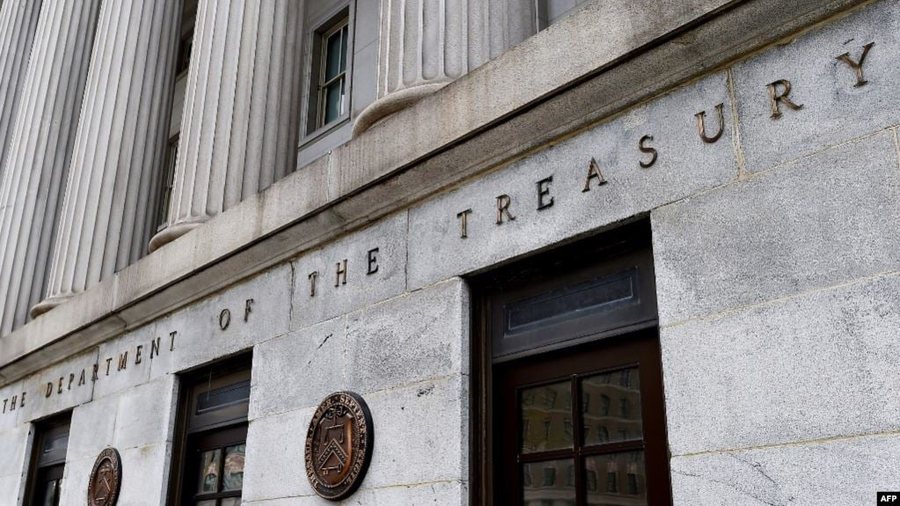
The US Treasury Department has sanctioned well-known businessman Luftar Hysa, his family members and brothers.
According to a press release, the Department indicates that this coordinated action is the result of new commitments reached during the visit of the Under Secretary of the Treasury for Financial Intelligence and Counterterrorism, John K. Hurley, to Mexico, where the parties agreed to deepen cooperation in the fight against narcotics trafficking and financial crimes originating from drug cartels and related networks.
In the official statement, US official Hurley stressed that "the United States and Mexico are working closely to combat money laundering in Mexico's gambling sector" and that "the message to those who support the cartels is clear: they will be held accountable."
According to OFAC, the Hysa family has built a complex network of companies to launder the profits of drug trafficking.
“ The Treasury is designating Luftar Hysa, Arben Hysa, Fatos Hysa, Ramiz Hysa, and Fabjon Hysa pursuant to EO 13581, as amended, for being owned or controlled by or having acted or purported to act for or on behalf of, directly or indirectly, the Hysa Organized Crime Group ,” the Treasury states.
In total, OFAC has sanctioned 27 individuals and companies, while FinCEN has proposed specific measures to sever the connections of 10 Mexican casinos to the U.S. financial system, including: Emine Casino in Sonora, Casino Mirage and several branches of Midas Casino in Sinaloa and Baja California, as well as Palermo Casino and Skampa Casino in various cities in Mexico. These structures have been used for years to launder money for the Sinaloa Cartel and to channel dirty funds through gambling and international transfers.
Under Executive Order 13581, as amended, the Treasury Department has designated the Hysa Group as an international criminal organization with significant transnational influence, blocking all of their assets in the United States or in the possession of U.S. individuals. Any person or company that owns 50 percent or more of a sanctioned entity is also considered blocked.
This means that no American financial institution can conduct transactions with these companies, while any cooperation with them can bring serious legal consequences, including secondary sanctions for foreign banks and institutions that facilitate their activities.
The Treasury Department emphasized that the purpose of sanctions is not punishment, but behavior change, offering the opportunity for the individuals involved to seek removal from the list through cooperation and transparency with the authorities.







Lini një Përgjigje