


 Shkruar nga Astrit Bimbashi*
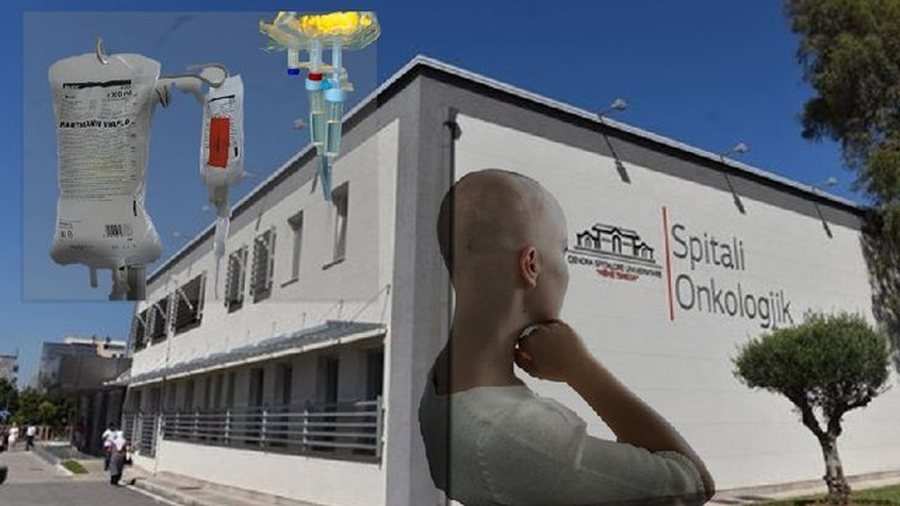
It is the duty of health policies to ensure minimally and maximally an end or recovery from cancerous diseases, where the individual of any level, education, position, background or belief feels respected by the system"...
At a dinner with mutual friends 12-13 years ago in an informal discussion I suggested (not advice) to a friend then in politics, a problem that plagued me then and still today.
In short, for me as a professional, the health policy should do everything possible for a radical change in the management of cancer diseases, and I expressly said "in a civil society, individuals do not have to buy their bottom with money". It is the duty of health policies to ensure minimally and maximally an end or recovery from cancerous diseases, where the individual of any level, education, position, background or belief feels respected by the system". Of course, there are important changes, but it is not up to me to comment today.
As a professional in this job for 40 years, I would never have believed and I still don't believe now that "Doctors would even steal death"
The doctor, today even more than in the past, plays a role of inestimable importance in the education of each individual as well as society in its broadest sense. This statement is based on a first and not in-depth analysis, simply referring to simple data. Indeed, this fact invites us to reflect that despite the difficulties and challenges of the doctor's professional activity, they cannot and should not lead to a common result: they only highlight the sacrilege of the scientific and ethical heritage of every professional.
It is not simply about praising the doctor, nor about hiding the inabilities or flaws that the activity of any professional can carry, especially the very complex profession of a doctor. The purpose I intend through these lines is to hopefully throw some ideas about awareness and information to the providers of this service and to the patient community, whose primary interest is to feel satisfied and valued, which is also one of health service goals.
If providing care and guaranteeing the health of the patient is the absolute focus that should guide the doctor during the exercise of his profession, then the attempt to identify the right ways to achieve the desired objective cannot be considered a worthless effort.
Evidentimi i këtyre rrugëve kalon përmes disa pyetjeve që një profesionist i mirë nuk mund t`i nënvlerësojë. Diskutimet mbi figurën e mjekut kanë qenë të panumërta, duke analizuar këtë figurë më tepër në kënd vështrimin profesional sesa në atë moral, apo më mirë të themi në këndvështrimin e humanizmit të mjekut.
Të dy këto aspekte duhet të jenë pjesë e aktivitetit të përditshëm të një mjeku të mirë, duke bashkëvepruar sipas rregullave të komplementaritetit ideal. Nëse është e vërtetë se përgatitja profesionale do të vijojë të jetë parametri më i vlefshëm për dallimin e aftësisë së mjekut, është po aq e vërtetë se mjekësia nuk konsiston vetëm në administrimin e medikamenteve dhe kryerjen e procedurave burokratike, por bazohet gjithashtu mbi diagnostikimin e saktë dhe mbi raportin e mjekut me besimin e pacientit.
Pa dashur të evokoj stereotipin e mjekut të cituar dekada më parë, të veshur me karakteristika dhe virtyte të një profesionisti, i cili përfaqësonte një pikë referimi për komunitetin, më duhet të nënvijëzoj rëndësinë e sjelljes dhe etikës së mjekut ndaj pacientit të tij.
Nuk ka asnjë dyshim, duke qenë se po e njëjta literaturë shkencore ka evidentuar rëndësinë dhe përfitimin e pamasë nga raporti mjek-pacient, që mbështetet në logjikën e konfidencialitetit. Kjo nënkupton se besimi, konfidenca dhe familjarizimi duhet të jenë shtyllat solide mbi ku do të ngrihet një raport i tillë.
Cilat janë përfitimet që do të rrjedhin nga një qasje e tillë? Përfitimet lehtësisht të dallueshme në favor të pacientit: rritjen e sigurt të standartit të përformancës të favorizuara nga njohja më e mirë të historikut klinik dhe e personalitetit të pacientit.
Në këtë mënyrë, pacienti do të përballet me trajtimin dhe këshillimin me besimin e bashkëpunimit dhe do të jetë më i qetë psikologjikisht, këto të garantuara nga vlerësimi që pacienti ka ndaj profesionistit të shërbimit mjekësor. Jo më pak të vlefshme janë edhe efektet pozitive që avantazhojnë aktivitetin e ofruesit të shërbimit mjekësor.
Nëse “logjika e re” e raportit mjek- pacient do të frymëzohet nga kriteri i besimit profesional, sikundër u shtjellua më sipër, ky këndvështrim është më domethënës dhe më evident në raport me përkufizimet e vjetra. E thënë me pak fjalë, për fat të keq mund të konfirmojmë pa më të voglin dyshim se situata aktuale është larg performancës së lartë profesionale që drejtuesit janë në gjendje të ofrojnë: aktualisht mjaftohen me performancën e ashtuquajtur klienteliste. I referohem pyetjes së vazhdueshme të recetave të thjeshta, apo dhe favore të një natyre tjetër që kanë shumë pak të bëjnë me shëndetin e qytetarit; shërbimi mjekësor duhet te jetë i predispozuar pikërisht për këtë të fundit.
Unë i ndikuar nga kujtimet atavike familjare “pseudomisionar” theksoj edhe njëherë se nuk vë në diskutim profesionalizmin i mjekëve, por braktisjen e ndjenjave dhe moralit, tashmë të konsoliduar prej vitesh dhe shpesh të favorizuar dhe ushqyer nga vetë profesionistët e kësaj fushe.
No one intends to deny the responsibilities that burden the professional, who in some cases is involved in malpractices that are nothing but reprehensible. An old professor in London 30 years ago told us "during our work, not all our good intentions end well (especially in the birth process) but when a doctor commits a medical malpractice, he replaces god.. and is usually punished by the real god, as this anticivil is the product of a social costume and an unreliable school. Governing policies are incapable of directing ideas and actions driven by profit motives.
Medical practice must avoid the risk of being considered simply and only a profession. Intentional medical malpractice is becoming more and more visible every day, especially in private services of all levels, but also in hospitals.
In an AUDIT done 2 years ago with women who gave birth in... in 74% of cases, personnel actions unsupported by current protocols were found (Continue...)/ Pamphlet
Note : *Prof. Dr. Astrit Bimbashi, Head of Obstetrics Service SUOGJ "Koco Gliozheni"








Lini një Përgjigje