


 Shkruar nga Pamfleti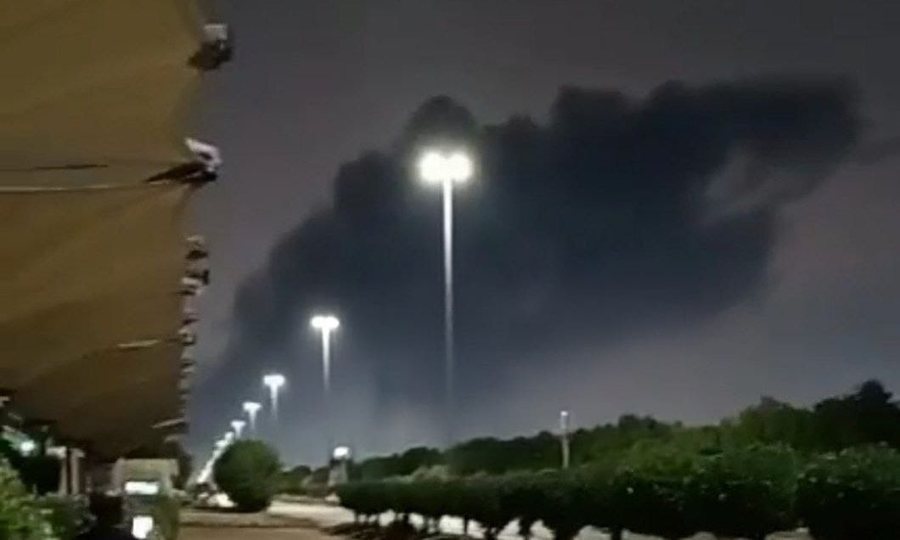
Iran has warned Gulf countries of retaliation after the US-Israeli attack on the South Pars gas field in southern Iran, the world's largest known gas reserve.
In response, Iranian operational commander Khatam Al Anbiya warned that it would "severely hit the source of the attack" and that it would target the fuel, energy and natural gas infrastructure of the countries from which the attacks were launched.
Iranian state television published a list of what it called "legitimate targets", including oil and gas facilities in Saudi Arabia, Qatar and the United Arab Emirates, and said they would be "hit in the coming hours".
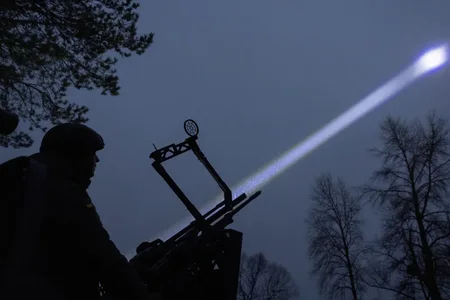
Shortly afterwards, it launched 4 ballistic missiles at Riyadh, which, according to the Saudi Arabian Ministry of Defense, were successfully intercepted, while an attack on the Ras Laffan refinery in Qatar was also reported.
In Riyadh, debris fell in various parts of the capital due to the interceptions, the ministry said in a brief statement to X. No damage or injuries were reported.
In a separate update, the ministry said a drone "attempting to approach one of the natural gas facilities" in the country's eastern region was intercepted, with no damage reported there either.
Iran accuses the Gulf monarchies of allowing US forces to use its territory and airspace for attacks.
Globally, any significant damage to production from the field would add additional pressure to energy markets, which have already been shaken by the partial closure of the Strait of Hormuz, through which a fifth of the world's oil and liquefied natural gas passes.
Meanwhile, Israeli warplanes struck central Beirut early Wednesday, destroying apartment buildings in one of the most intense attacks on the Lebanese capital in decades.
Israel announced on Wednesday that it had killed Iran's intelligence minister, Esmail Khatib, a day after the assassination of security chief Ali Larijani.



Lini një Përgjigje