


 Shkruar nga Pamfleti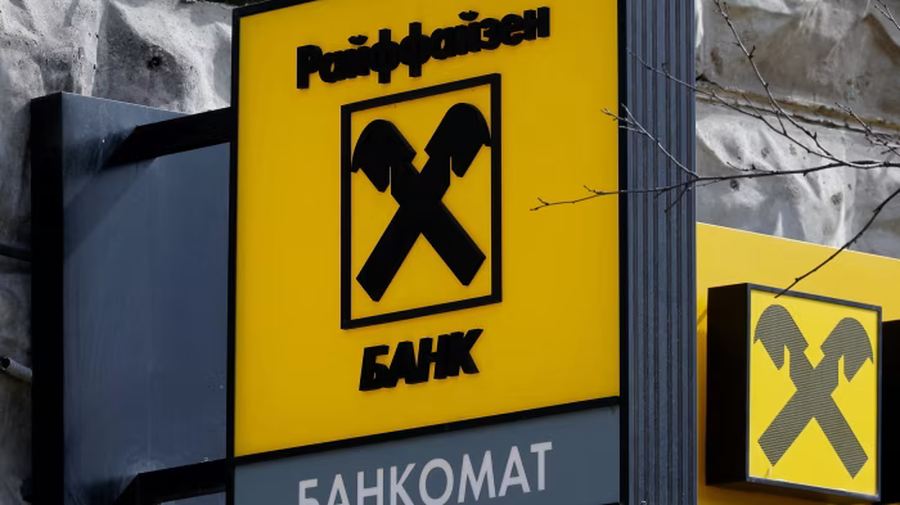
The EU is preparing to lift sanctions on assets linked to Russian oligarch Oleg Deripaska in order to compensate Austria's Raiffeisen Bank International for damages it had to pay in Russia, according to European officials.
Provisions to unlock shares worth about 2 billion euros in Strabag, an Austrian construction company once partly owned by Deripaska, have been included in the latest draft of the EU's proposal for sanctions on Russia, according to seven people familiar with the matter.
The assets would pass to Raiffeisen and compensate the bank for a 2 billion euro fine it had to pay after a Russian court ruling in favor of a business linked to Deripaska, officials said.
The sanctions were initially imposed over suspicions that Deripaska provided material support to "Russia's military-industrial complex" in its full-scale invasion of Ukraine.
However, some European officials worry that the move would legitimize oligarchs' efforts to circumvent EU sanctions against Russia and would embolden Russian courts that are retaliating against sanctions by ordering the seizure of Western assets.
Ambassadors from several EU member states are expected to oppose the measure, which was initially proposed by Austria, at a meeting on Friday to discuss the new sanctions package, five of the officials added.
Raiffeisen is the Western bank with the largest remaining presence in Russia after President Vladimir Putin's full takeover in 2022. But it has come under pressure from regulators and foreign governments to leave Russia, as many other Western businesses have done.
The RBI has tried to shut down operations in Russia. But Russian regulators are unwilling to let Raiffeisen leave because it is one of the country's few remaining nodes in the international interbank payments system Swift, according to people familiar with the matter.
A potential sale would likely lead to Western sanctions against the bank and its owner, cutting it off from global markets.
The Austrian bank and Deripaska previously tried, but failed, to arrange a complex asset swap to unlock Deripaska's 24 percent stake in Strabag, held through his company Rasperia.
The deal ultimately fell through due to concerns that it would circumvent EU sanctions. The EU and the US later sanctioned another oligarch, Dmitry Beloglazov, and several entities involved. Deripaska had sold Rasperia, including the frozen shares of Strabag, to Beloglazov.
Rasperia has since taken Raiffeisen to court in Russia, where the Austrian lender was ordered to pay 2 billion euros in damages. The court also ordered the transfer of Strabag shares to Raiffeisen.
Raiffeisen said in January that the decision “had no binding effect in Austria and therefore the transfer of the shares is not enforceable”. It also noted that “Rasperia’s STRABAG SE shares are subject to an asset freeze under EU sanctions, which currently also prevent their transfer”.
The proposal now being discussed in Brussels would allow Raiffeisen to take ownership of the sanctioned shares, effectively implementing the Russian court's ruling.
Officials argue that this legitimizes Russian courts recovering sanctioned assets through confiscation and could encourage other oligarchs to follow the same approach. “This could set a convenient precedent for Russian entities to indirectly recover their frozen funds through the seizure of assets of subsidiaries of EU companies still operating in Russia,” said one diplomat.
Another said that this would “pay for the risk [that] Raiffeisen itself was taking” by deciding to continue operating in Russia.
Supporters of the measure argue that this would prevent the sanctioned entity from getting its money twice - through court-ordered compensation and when the assets are unfrozen after sanctions are lifted.
Raiffeisen declined to comment. The Austrian Foreign Ministry did not respond to a request for comment.
A spokesman for Deripaska did not respond to a request for comment. Rasperia did not respond to a request for comment./ Financial Times


Lini një Përgjigje