


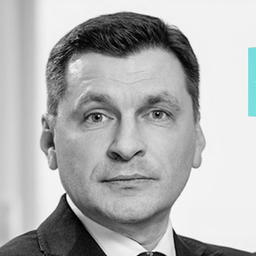
 Shkruar nga Victor Liakh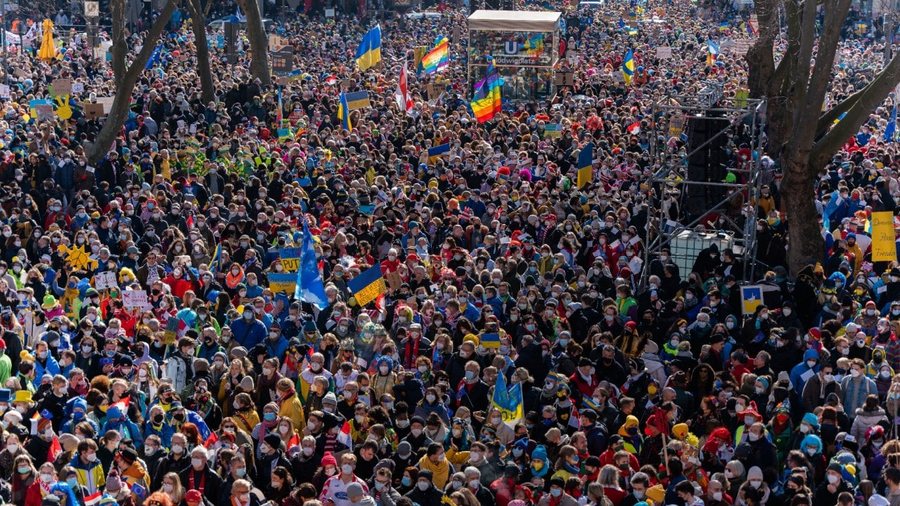
The year 2025 could be decisive for the West and Europe. Have we learned from past mistakes? Can we avoid the pitfalls that await us? The lessons of history remind us that peace cannot be bought with concessions. It must be provided. In an interconnected world, no nation is an island...
There are two main approaches to the future: forecasting and planning. Prediction is often difficult in the face of an increasingly complex and interconnected world, where countless variables elude full understanding.
Meanwhile, although not without flaws, planning offers a chance to achieve desirable results through proactive policies. As we enter the mid-2020s (and close the first quarter of the 21st century), it is clear that the legacy of this decade will be shaped by the lessons we learn and the actions we take. Here are the 5 main lessons that can be drawn from the first half of the decade, and that can serve us to face the challenges ahead.
1. Necessity of values
Since the Munich Agreement of 1938, the fact that basic values cannot be negotiated has not been so evident. Efforts to maintain a soft attitude towards dictators with the aim of avoiding their illegal actions have repeatedly failed to guarantee peace.
History shows us that such concessions only encourage the aggressors. The conflicts in Georgia (2008), Crimea and Eastern Ukraine (2014) were precursors to a full-scale Russian invasion of Ukraine in 2022. The West's timid responses encouraged Moscow to aim for more territorial gains. So compromise on essential principles and obligations leads to much more destructive results than a proactive and decisive intervention.
2. Misplaced faith in economic interdependence
Many people in the West have believed for years that economic ties with Russia would prevent it from violating international norms. The concept of Wandel durch Handel (change through trade), a legacy of post-Cold War diplomacy, best encapsulates that conviction.
For several generations of politicians, it seemed almost indisputable that common commercial interests had a higher priority for the Kremlin than imperialist ambitions. However, on February 24, 2022, images of Russian missiles falling on Ukrainian cities dispelled that illusion.
Russia saw the West's dependence on its hydrocarbons, manifested through the gas and oil trade, as a weakness that needed to be exploited. In the years before World War I, a similar belief in the economic self-interest of states proved to be misplaced.
Edh gjatë viteve para luftës aktuale, vendet evropiane financuan në mënyrë indirekte ambiciet ushtarake të Rusisë, duke blerë lëndët djegëse fosile të saj. Evropës iu deshën 3 vite që të reduktonte varësinë e saj nga energjia ruse. Një hap ky i dhimbshëm, por i domosdoshëm. Në tetor 2024, Komisioneri i BE-së për Energjinë deklaroi se tani blloku mund të mbijetojë pa gazin rus, dhe se importimi i tij nuk është më i nevojshëm.
3. Ringjallja e autoritarizmit
Pavarësisht nga tregtia globale dhe marrëveshjet ndërkombëtare, regjimet autoritare mbeten të pa shqetësuara në kursin e tyre. Demokracitë vlerësojnë paqen; ndërsa autokracitë respektojnë fuqinë. Këto botëkuptime të kundërta krijojnë një përplasje të vazhdueshme.
Indeksi i Demokracisë i vitit 2023 nga Economist Intelligence Unit, raportoi se rezultati mesatar global është më i ulëti që nga fillimi i hartimit të këtij indeksi në vitin 2006. Sot, vetëm 8 për qind e popullsisë së botës jeton në “vende plotësisht demokratike”, ndërsa gati 40 për qind jetojnë nën sundime autoritare.
Çdo vit hedh më shumë dritë mbi realitetin e zymtë: kur regjimet autoritare shohin mundësi për të zgjeruar pushtetin e tyre, ato i shfrytëzojnë menjëherë ato. Konfliktet e ngrira dhe pauzat politike nuk janë frenues, por shanse që autokratët të rigrupohen dhe rivendosin dominimin.
4. Nevoja urgjente për të mbrojtur demokracinë
Rritja e lëvizjeve të ekstremit të djathtë në demokracitë kryesore të Evropës, siç u pa në zgjedhjet e fundit në Gjermani dhe Francë në vitin 2024, tregon se demokracia është e rrethuar edhe në “shtëpinë” e saj. Përparimet e shpejta teknologjike, sidomos në inteligjencën artificiale, po e përkeqësojnë problemin.
Keqinformimi dhe falsifikimet e sofistikuara po përhapen me shpejtësi, duke e gërryer besimin tek institucionet, dhe duke i bërë shoqëritë më të prekshme ndaj teorive konspirative. Dikur të cilësuara si aleate të angazhimit demokratik dhe lirisë, teknologjitë e reja dixhitale janë shndërruar tani në vegla, të cilat regjimet autoritare po i përdorin për t’i minuar pikërisht ato vlera.
Fushatat ruse të keqinformimit në platforma si YouTube, Telegram, X (dikur Tëitter) dhe TikTok, e ilustrojnë shumë qartë këtë. Zgjedhjet presidenciale në Rumani në fund të vitit 2024, të dëmtuara nga ndërhyrja e Moskës, treguan shkallën dhe sofistikimin e këtyre përpjekjeve. Pa një “kundërsulm” të bashkërenduar të organeve demokratike, vitet 2030 mund të jenë të ngjashme me vitet 1930, një epokë e karakterizuar nga kolapsi i demokracive.
5. Roli kyç i shoqërisë civile
Në vitin 2024, shtypja e dhunshme e protestave në Tbilisi të Gjeorgjisë, na kujtoi shtypjen brutale të demonstratave në Kiev të Ukrainës në vitin 2014. Modelet e represionit autoritar janë të pa ngatërrueshme. Dhjetë vjet më parë, Ukraina u rezistoi për shkak të lidhjeve të saj të forta horizontale.
Ukraine's current resilience in the face of Russia's war also owes much to its strong civil society. Organizations such as the Eastern European Foundation, the International Renaissance Foundation, ISAR Ednannia, etc., have created an environment that is capable of strengthening national sustainability.
Thus, the EEF network alone now includes over 600 local organizations. Unfortunately, it is not only developing democracies that are at risk. The resurgence of the populist extreme right in the old democratic political systems strongly reminds us of the need for a vigilant and empowered civil society. In an age of relentless propaganda, civil society serves as a vital circuit breaker, preventing the degradation of democracy.
A key moment
The year 2025 could be decisive for the West and Europe. Have we learned from past mistakes? Can we avoid the pitfalls that await us? The lessons of history remind us that peace cannot be bought with concessions. It must be provided. In an interconnected world, no nation is an island.
Even a single fracture risks the collapse of the entire structure. These 5 lessons are not exhaustive, but they provide an informative map for decision makers on how to meet these very difficult challenges. If we act decisively, the future is still in our hands.
Note: Victor Liakh, head of the Eastern Europe Foundation. During the years 2005-2008, he was the executive director of the Children's Welfare Fund in Ukraine.



Lini një Përgjigje