


 Shkruar nga Corriere della Sera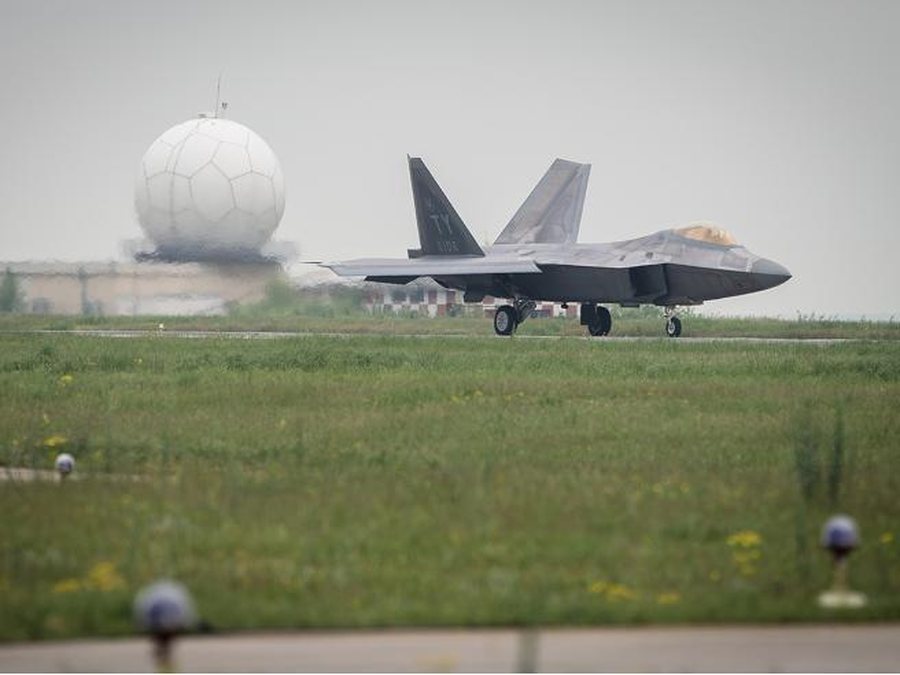
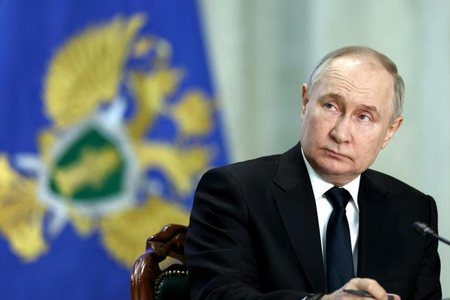
An anchor in the sea for NATO's eastern flank. Since work began March 19 in Constanta, Romania, on the Black Sea, to expand what will become NATO's largest base in Europe, Russian President Vladimir Putin has been even angrier.
It is about a military base that will be built where the Mihail Kogalniceanu military airport is located. 2.5 billion euros will be invested, it will have an area of 2,800 hectares and it will hold 10,000 soldiers (currently there are 5,000).
The project includes the expansion of the airport of Constanta, Romania's main port city on the Black Sea coast, and the construction of new runways, hangars, storage areas for ammunition, fuel and maintenance and repair materials, schools, shops, accommodation, pharmacies and a hospital. That is 20 percent larger than the Ramstein base in Germany, currently the largest NATO base in Europe.
The new base in Constanta should be fully operational by 2040. Since 1999, the Mihail Kogalniceanu base has been used by US troops: currently there are soldiers from the 101st Airborne Division and NATO fighter jets performing aerial surveillance missions. Romania has long been a major hub for NATO operations in the Black Sea region. Thousands of US troops have been stationed in the country to carry out training and security missions since the beginning of the Russian occupation of Ukraine.
Nicolae Crețu, the commander of the airbase, explained to Neëseek that there will be "maintenance hangars, fuel depots, ammunition, equipment, aeronautical technical materials, simulators, fuel equipment, accommodation; everything is necessary to support the operations and missions of this air base."
NATO began building its network of four multinational battle groups, the Enhanced Forward Presence, in the Baltic region after Russia's annexation of Crimea in 2014. After the full-scale invasion began in February 2022, the alliance strengthened those missions and created four additional battle groups in Bulgaria, Hungary, Romania and Slovakia. France is the framework country for the Romanian battle group, with Belgium, Luxembourg, North Macedonia, Poland, Portugal and the United States contributing.
Bucharest is seeking closer cooperation with its NATO allies – and the United States in particular – as the Black Sea and Danube delta become a theater of increasingly tense confrontation between Ukraine and Russia, as well as between Moscow and its western rivals. "Romania has already established itself as an anchor of the eastern wing of NATO and the EU," Prime Minister Marcel Ciolacu explained to Neësëeek. An anchor which, however, could anger Moscow even more, especially considering that on the Black Sea front the Russians are suffering heavy naval losses. / Pamphlet



Lini një Përgjigje