


 Shkruar nga Pamfleti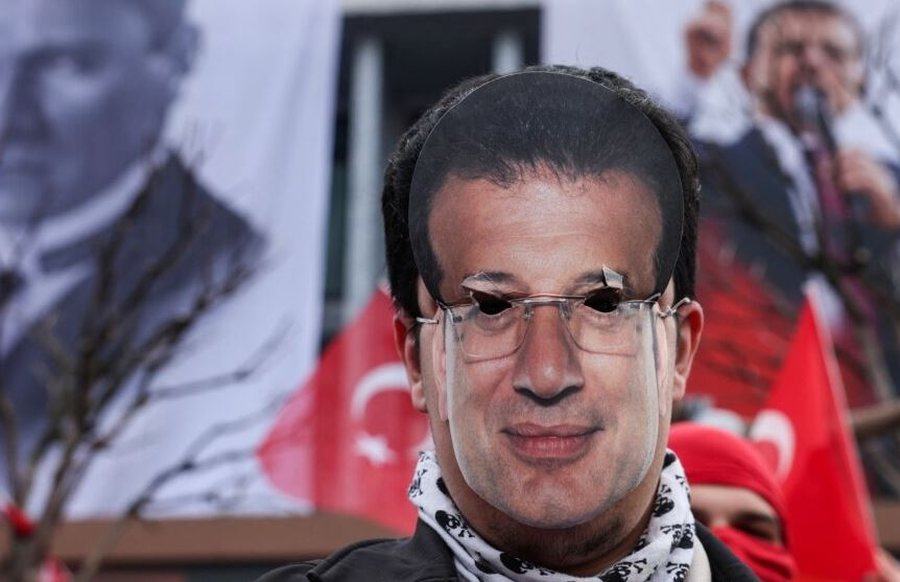
About a quarter of a century ago, a prominent mayor of Istanbul was ousted from office and imprisoned on charges his supporters dismissed as politically motivated, before later returning to become the longest-serving leader in his country's modern history.
That was Recep Tayyip Erdogan, today's president of Turkey. But now Erdogan is facing a political crisis that could be the most serious of his increasingly authoritarian rule, which has lasted more than two decades.
And, in a significant symmetry, it was the arrest of another prominent and critical mayor of Istanbul that precipitated this crisis.
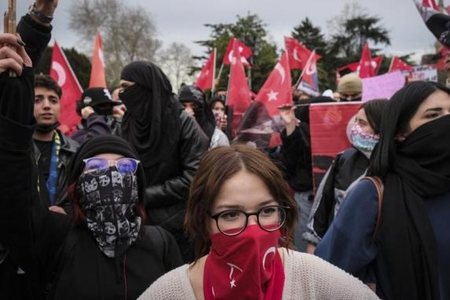
For more than a week, protests have erupted in Istanbul, Ankara and other cities and provinces across the country, following the March 19 detention of Istanbul Mayor Ekrem Imamoglu on charges of corruption and supporting a terrorist group.
The unrest is the largest and most widespread to sweep the country since the Gezi Park protests, which dominated global headlines for weeks in 2013, accelerating what rights groups say is a slide toward authoritarianism under Erdogan.
While no casualties have been reported in the current demonstrations, nearly 1,500 people have been arrested - some of them for insulting Erdogan and his family - while several journalists have been jailed and a BBC reporter has been expelled from the country after being reported to be a "threat to public order", according to the British broadcaster.
But the main reason why analysts believe this crisis could mark an even more important moment for Erdogan and Turkey's democracy is the changed economic and political environment.
“At that time, Erdogan didn’t really have a charismatic rival, the economy was in better shape and, most importantly, conservative voters were loyal to the AK Party [Justice and Development Party],” said Dimitar Bechev, author of the 2022 book “Turkey Under Erdogan: How the Country Turned Away from Democracy and the West.”
"Now, poll after poll shows that the cost of living is the main issue for Turkish citizens. Imamoglu addresses this concern and, as a result, connects with a wider electorate," Bechev told Radio Free Europe (RFE/RL).
Power in numbers
It is difficult to exaggerate the scale of the challenge that Imamoglu poses to Erdogan and the AK Party.
Arrestimi i tij ndodhi vetëm disa ditë para votimeve paraprake të 23 marsit, ku ai pritej të konfirmohej si kandidati i Partisë Republikane Popullore (CHP) në opozitë, për zgjedhjet presidenciale të planifikuara për vitin 2028.
Rreth 15 milionë qytetarë morën pjesë në votimin paraprak – më shumë se numri i atyre që votuan për CHP-në në zgjedhjet parlamentare të vitit 2023 – për të shprehur mbështetjen e tyre për kandidatin e vetëm në fletën e votimit.
Më 24 mars, CHP shpalli zyrtarisht kandidaturën e Imamoglut.
Në kohën e arrestimit të tij, 53-vjeçari po luftonte ndaj një dënimi kundër tij nga viti 2022 dhe një vendim për burgim, pasi i kishte quajtur “budallenj” zyrtarët zgjedhorë që anuluan rezultatin e fitores së tij për kryetar bashkie në vitin 2019, dhe e detyrua të garonte dhe të fitonte sërish në rivotim.
Dënimi me dy vjet e gjysmë burgim nuk ka hyrë ende në fuqi për shkak të apelimit të tij.
Ndërkohë, pak para arrestimit, Imamoglut iu shfuqizua në mënyrë kontroverse diploma universitare nga Universiteti i Stambollit, duke e lënë atë pa dëshmi se ka kryer arsimin e lartë, që është kusht i domosdoshëm për kandidatët presidencialë në Turqi.
Grumbullimi i këtyre veprimeve kundër tij ka nxitur dyshime të mëdha mbi pretendimin e autoriteteve dhe mediave proqeveritare se hetimi i fundit ndaj tij dhe më shumë se njëqind kolegëve të partisë së tij, është apolitik.
“Fatmirësisht për [Imamoglun], këto veprime vetëm sa do ta bëjnë atë më popullor”, tha për REL-in Ihor Semyvolos, Drejtor i Qendrës për Studime të Lindjes së Mesme në Kiev.
I njohur për retorikën e tij të ashpër, Erdogan e ka akuzuar CHP-në se po e nxit një “lëvizje dhune” duke mbështetur protestat, të cilat në shumicën e rasteve kanë qenë paqësore, dhe se po “fundos ekonominë” me një “shfaqje” që, sipas tij, do të zbehet me kohën.
CHP-ja e ka dënuar arrestimin e Imamoglut, duke e cilësuar si një “grusht shteti” dhe mbajti atë që tha se ishte protesta e fundit e partisë pranë ndërtesës së bashkisë së Stambollit natën e 25 marsit, para një tubimi të ri të planifikuar për 29 mars.
Megjithatë, protestat studentore kanë vazhduar, ndërsa një grup studentësh që protestonin pranë Universitetit të Lindjes së Mesme në Ankara u sulmuan nga policia me topa uji, sprej piperi dhe plumba gome në orët e para të 27 marsit, raportoi Associated Press.
Drejt një ‘diktature të zgjedhur’?
Pavarësisht nga mënyra se si do të zhvillohen ngjarjet në rrugë, CHP, partia që lidhet më ngushtë me themeluesin e Turqisë moderne, Mustafa Kemal Ataturkun, duket se ka marrë hov.
Kjo, në masë të madhe, falë Imamoglut, i cili ka arritur të shkojë përtej bazës tradicionale të partisë – që përfshin segmentet urbane, laike dhe të arsimuara të shoqërisë – duke përdorur sloganin optimist “gjithçka do të shkojë mirë”, në kontrast të fortë me retorikën më përçarëse të Erdoganit.
Constitutional restrictions state that Erdogan may not be able to run beyond his current term unless Parliament calls early elections or the basic law itself is changed.
But few people doubt that either of these will happen, which explains why the CHP held the primary elections so early.
A spokesman for Erdogan's AK Party confirmed in January that a fourth presidential term for Erdogan - who previously also served as prime minister - was "on our agenda".
Meanwhile, Devlet Bahceli, leader of the Nationalist Movement Party (MHP) and key supporter of Erdogan, has also expressed support for the idea.
In its Freedom in the World 2025 report, Freedom House ranked Turkey among the ten countries with the greatest decline in democratic freedoms over the last decade.
However, electoral races remain highly competitive, as evidenced by Imamoglu's victories in the mayoral elections in 2019 and 2024.
In 2024, CHP candidates won a higher percentage of the vote in local elections nationwide than the AK Party, dealing the ruling party, which Erdogan co-founded in 2001, one of its biggest blows since coming to power.
In an article for The Conversation, Ahmet T. Kuru, director of the Center for Islamic and Arab Studies at San Diego State University, wrote that Turkey's long-time leader has shown himself to be "a master of electoral maneuvering, promoting populist policies and manipulating media and electoral practices against opposition parties."
But, with an economy plagued by runaway inflation and a genuinely popular rival, Erdogan is now "really worried" that these tactics will no longer be enough, Kuru wrote.
If the ruling elite risks an even stronger crackdown, "Turkey's political system could shift from a fragile democracy to an 'elected dictatorship', similar to that of Vladimir Putin's Russia," the analyst argued./REL



Lini një Përgjigje