


 Shkruar nga Pamfleti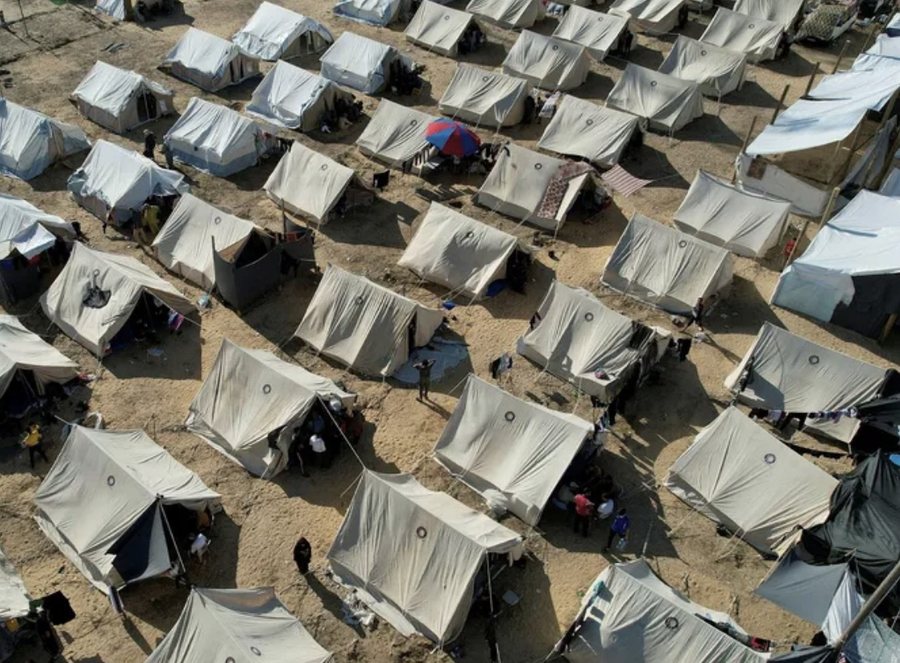
War is the continuation of politics by other means. Many people recite this mantra, but very few pay enough attention to it – especially in the midst of war. With the carnage of Hamas in Israel and the growing civilian toll in Gaza, the deep logic of the war is obscured by the immense human misery it produces. As the bodies continue to pile up, who will win this war? Not the side that kills the most people, not the side that destroys the most homes, nor the side that gains the most international support – but the side that achieves its political goals.
Hamas launched this war with a specific political goal: to prevent peace. After signing peace treaties with the United Arab Emirates and Bahrain, Israel was on the verge of signing a historic peace treaty with Saudi Arabia. This agreement would be Prime Minister Benjamin Netanyahu's greatest achievement in his entire career. It would have normalized relations between Israel and most of the Arab world. At the insistence of the Saudis and the Americans, the terms of the treaty were expected to include significant concessions to the Palestinians, aimed at immediately alleviating the suffering of millions of them in the occupied territories and restarting the Israeli-Palestinian peace process.
The prospect of peace and normalization was a mortal threat to Hamas. Since its founding in 1987, this Islamic fundamentalist organization has never recognized Israel's right to exist, and has committed itself to uncompromising armed struggle. In the 1990s, Hamas did everything it could to derail the Oslo peace process.
For more than a decade, Israeli governments led by Netanyahu abandoned all serious efforts to make peace with more moderate Palestinian forces, adopted an increasingly hardline policy regarding the occupation of disputed territory, and even embraced right-wing messianic ideas about Jewish supremacy.
During that period, Hamas showed surprising restraint in its relations with Israel, and the two sides appeared to be adopting a disturbing but nonetheless functional policy of violent coexistence. But on October 7, just as Netanyahu's government was on the verge of a major breakthrough for regional peace, Hamas struck with all its might.
Hamas killed hundreds of Israeli civilians, in the most horrific ways they could. The immediate goal was to disrupt the Israeli-Saudi peace agreement. The long-term goal was to plant the seeds of hatred in the minds of millions of people in Israel and throughout the Muslim world, thereby preventing peace with Israel for generations to come.
Hamas knew that its attack would cause the Israelis to react with anger out of pain, and the terrorists knew that Israel would retaliate with massive force, causing great pain to the Palestinians. The code name Hamas gave its operation speaks volumes: al-Aqsa Tufan. The word "storm" means flood. Like the biblical flood that was intended to cleanse the world of sin, even at the cost of the imminent extinction of humanity, the Hamas attack was intended to create destruction on a biblical scale.
Isn't it too late for Hamas, for the suffering this war causes Palestinian civilians? While Hamas activists, individually, certainly have different feelings and attitudes, the worldview of the organization shrinks the misery of individuals. Hamas's political goals are dictated by religious fantasies.
Unlike those of secular movements such as the Palestine Liberation Organization, Hamas' ultimate goals are not of this world. For Hamas, Palestinians killed by Israel are martyrs who enjoy eternal bliss in heaven. The more killed, the more martyrs.
As for this world, according to the views of Hamas and other Muslim fundamentalist groups, the only viable objective for a human society on Earth is unconditional adherence to heavenly standards of purity and justice. Because peace always involves compromises on what people consider to be justice, it must be rejected and absolute justice must be pursued at all costs.
This, by the way, explains a strange recent phenomenon among the radical left in many Western democracies, including some student organizations at Harvard University. They absolve Hamas of any responsibility for the atrocities committed in Be'eri, Kfar Azza and other Israeli villages, or for the humanitarian crisis in Gaza.
These organizations place 100 percent of the blame on Israel.
The link between the radical left and fundamentalist organizations like Hamas is the belief in absolute justice, which leads to a refusal to accept the complexity of the realities in this world. Justice is a noble cause, but the demand for absolute justice inevitably leads to endless war. In the history of the world, no peace treaty has been reached that did not require compromise, or that ensured absolute justice.
If Hamas's war aims are indeed to disrupt the Israeli-Saudi peace treaty and destroy all possibilities for normalization and peace, it is winning this war by a knockout. And Israel is helping Hamas, mainly because Netanyahu's government appears to be waging this war without clear political goals.
Izraeli thotë se dëshiron të çarmatosë Hamasin dhe ka çdo të drejtë ta bëjë këtë për të mbrojtur qytetarët e tij. Çarmatosja e Hamasit është gjithashtu jetike për çdo shans për paqe në të ardhmen, sepse për sa kohë Hamasi mbetet i armatosur, ai do të vazhdojë të prishë çdo përpjekje. Por edhe nëse Izraeli arrin të çarmatosë Hamasin, kjo është vetëm një arritje ushtarake, jo politike. Në planin afat shkurtër, a ka Izraeli ndonjë plan për të shpëtuar marrëveshjen e paqes izraelito-saudite? Në planin afatgjatë, a ka Izraeli ndonjë plan për të arritur një paqe gjithëpërfshirëse me palestinezët dhe për të normalizuar marrëdhëniet me botën arabe?
Duke qenë thellësisht i përfshirë në politikën izraelite gjatë vitit të kaluar, kam frikë se të paktën disa anëtarë të qeverisë aktuale të Netanyahut janë edhe vetë të fiksuar tek vizionet biblike dhe drejtësinë absolute, dhe kanë pak interes për kompromisin që sjell paqe.
Të gjitha palët e interesuara duhet të mos lejojnë që përmbytjen e lëshuar nga Hamasi të mbysë Izraelin dhe palestinezët, si dhe të shkatërrojë rajonin. Vini re se lufta bërthamore është, teorikisht, ndoshta vetëm 24 orë larg – nëse Hezbollahu dhe aleatët e tjerë iranianë godasin Izraelin me dhjetëra mijëra raketa, siç po kërcënojnë të bëjnë, Izraeli mund të përdorë armët bërthamore për vetë-mbrojtje. Prandaj, të gjitha palët duhet të braktisin fantazitë biblike dhe kërkesat për drejtësi absolute dhe të përqendrohen në hapa konkretë për të shmangur konfliktin dhe mbjellë farën për paqen dhe pajtimin.
Pas ngjarjeve të dy javëve të fundit, pajtimi duket krejtësisht i pamundur. Familja dhe miqtë e mi sapo kanë parë nëpër skena që të kujtojnë tmerret e Holokaustit. Por tetë dekada pas Holokaustit, gjermanët dhe izraelitët janë miq të mirë. Hebrenjtë nuk morën kurrë drejtësi absolute për Holokaustin – si mundej? A mundet ndokush t’u kthejë viktimave britmat e dhimbjes në fyt, ta kthejë mbrapsht tymin në oxhaqet e Aushvicit dhe t’i kthejë të vdekurit nga krematoriumet?
Si historian, e di mirë që mallkimi i historisë është se ajo frymëzon dëshirën për të rregulluar të kaluarën. Kjo është përpjekje e pashpresë.
E kaluara nuk mund të shpëtohet. Përqendrohuni në të ardhmen. Lërini plagët e vjetra të shërohen në vend që të shërbejnë si shkak për lëndime të reja.
Në vitin 1948, qindra-mijëra palestinezë humbën shtëpitë e tyre në Palestinë. Si hakmarrje, në fund të viteve 1940 dhe në fillim të viteve 1950, qindra-mijëra hebrenj u dëbuan nga Iraku, Jemeni dhe vendet e tjera myslimane. Që atëherë, plagët janë grumbulluar mbi plagë, në një rreth vicioz dhune që ka çuar vetëm në më shumë dhunë. Ne nuk jemi të detyruar ta përsërisim këtë cikël përgjithmonë. Natyrisht, në mesin e kësaj lufte të tmerrshme, ne nuk mund të shpresojmë të ndalojmë ciklin njëherë e përgjithmonë. Ajo që na duhet tani është të parandalojmë përshkallëzimin e mëtejshëm dhe për këtë kërkojmë disa gjeste konkrete shprese.
One proposed initiative calls for Hamas to release all the women, children and infants it is holding hostage, in exchange for Israel's release of several dozen Palestinian women and teenagers held captive. Would that be justice? No. Justice demands that Hamas immediately and unconditionally release all hostages it took. But this initiative could still be a step towards reducing the conflict.
Another initiative is to enable Palestinian civilians to leave the Gaza Strip for safety elsewhere. Egypt, which shares a border with Gaza, can and should take the lead on this. But if Egypt fails to provide aid, Israel can provide shelter for displaced Gazan civilians on Israeli soil.
If no other country is willing to accept and protect Palestinian civilians, then once the Red Cross has access to the Israeli hostages held by Hamas and ascertains their condition, Israel may invite the Red Cross and other humanitarian groups international organizations to create temporary shelter for displaced Gazan civilians on the Israeli side of the border. It would house women, children and evacuees from Gaza Strip hospitals while the war against Hamas continues, and at the end of the fighting, displaced Gazans would return to the Gaza Strip.
Taking such a step would fulfill Israel's moral duty to protect the lives of Palestinian civilians while helping the Israel Defense Forces continue the fight against Hamas terrorists, reducing the number of civilians stuck in the combat zone.
Are such initiatives feasible? I do not know. But I know that war is the continuation of politics by other means, that Hamas's political goal is to destroy any chance for peace and normalization, and that Israel's goal must be to preserve the possibility of peace. We must win this war, instead of helping Hamas achieve its goal.
Yuval Noah Harari is the author of "Sapiens", "Homo deus" and "Unstoppable us" and professor of history at the Hebrew University of Jerusalem. / Bota.al







Lini një Përgjigje