


 Shkruar nga Pamfleti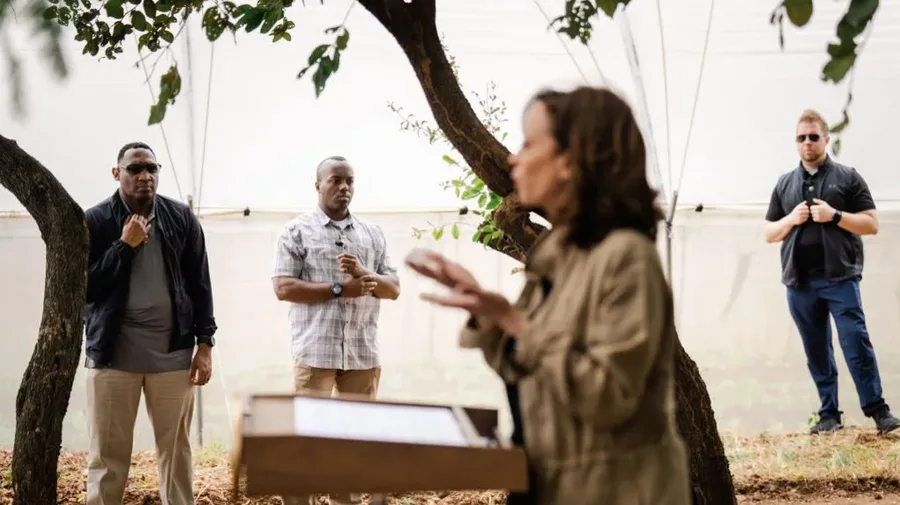
President Donald Trump has revoked Secret Service protection for former Vice President Kamala Harris, seven months after she left office following an unsuccessful presidential campaign.
By law, the U.S. Secret Service provides former vice presidents and their families with protection for six months after their term ends.
However, this deadline can be extended, which former President Joe Biden reportedly did before leaving office.
The move has already sparked controversy, with California Governor Gavin Newsom and Los Angeles Mayor Karen Bass calling it politically motivated.
Why did Biden extend her defense?
So far, neither Biden nor Harris have commented on the reasons for extending the protection beyond the six months required by law. CNN reported that Biden extended it for a year in a previously undisclosed directive before leaving office.
From a legal standpoint, Biden was within his right to do so.
Under a law passed in 2008, the Secret Service can provide protection to former vice presidents, their spouses and any children under the age of 16 after leaving office.
While the law states that protection should not last longer than six months, the secretary of homeland security has the authority to order “temporary protection” in situations where “information or circumstances justify such protection.”
Ronald Kessler, an author with expertise on the Secret Service, told the BBC that “if you put aside the political implications, this is standard practice.”
Does Harris face increased risks?
Sources familiar with the current situation told CBS, the BBC's American news partner, that a recent threat assessment found nothing alarming enough to justify extending Harris' protection.
But some on her team expressed concern that as the first woman and first person of color to serve as vice president, as well as a candidate in a tense election race, she faced additional threats.
A number of threats against Harris were made public while she was in office and as a candidate for president in 2024.
For example, several men were arrested and charged with making online threats against her in 2024, and in 2021, a Florida woman pleaded guilty to making threats against Harris and stated that she had sent videos to her imprisoned husband showing off firearms and saying that an “assault” could be carried out within 50 days.
In March, after Harris left office, another Florida man was arrested after allegedly threatening to kill him with a sniper rifle.
However, Kessler said that compared to other politicians, Harris “hasn’t really come to life as much as one might expect.”
“Mendoj se është një gjykim i arsyeshëm nga Shërbimi Sekret,” shtoi ai.
Heqja e mbrojtjes së Harris vjen vetëm disa javë përpara se ajo të nisë një tur multi-qytetesh për të promovuar librin e saj “107 Days”, i fokusuar te kandidimi i saj i shkurtër dhe i pasuksesshëm për president.
Sipas Kessler, një operacion i tillë do të ngarkonte edhe më shumë Shërbimin Sekret, që tashmë është i mbingarkuar dhe me staf të pamjaftueshëm. Në shtator, agjencia është gjithashtu përgjegjëse për sigurimin e dhjetëra liderëve ndërkombëtarë dhe VIP-ëve në Asamblenë e Përgjithshme të OKB-së në Nju Jork.
“Kjo do të kërkonte ndoshta një duzinë automjetesh të Shërbimit Sekret që ta ndiqnin atë nëpër gjithë vendin gjatë turit. Ky është një konsum i madh i burimeve të agjencisë,” shtoi ai.
Çfarë elementësh të sigurisë po hiqen?
Mbrojtja nga Shërbimi Sekret shkon përtej agjentëve që e shoqërojnë një person dhe familjen e tij.
Përveç kësaj, Shërbimi Sekret është i ngarkuar me sigurimin e banesave, përfshirë rezidencën e Harris në Los Anxhelos, me instalimin e sistemeve të alarmit dhe sigurimit. Agjentët identifikojnë dhe monitorojnë paraprakisht kërcënime të mundshme, përfshirë ato të dërguara online ose nëpërmjet rrjeteve sociale.
Nuk është e qartë sa kushtojnë këto shërbime, dhe Shërbimi Sekret nuk ka publikuar shifra.
Siguria private për personalitete të njohura, VIP-a dhe biznesmenë mund të arrijë lehtësisht në miliona dollarë në vit, në varësi të nivelit të kërcënimeve dhe mbrojtjes së kërkuar.
Meta, për shembull, raportohet se ka paguar mbi 23 milionë dollarë për sigurinë personale të Mark Zuckerberg në vitin 2023, përfshirë 9.4 milionë në kosto direkte të sigurisë.
A është kjo hakmarrje politike nga Trump?
Pas shpalljes së vendimit për heqjen e mbrojtjes së Harris, disa aleatë të saj dhe kundërshtarë politikë të Trump e cilësuan lëvizjen si të motivuar politikisht nga presidenti.
Trump më parë ka hequr mbrojtjen nga Shërbimi Sekret edhe për aleatë e kundërshtarë, përfshirë Hunter dhe Ashley Biden, fëmijët e ish-presidentit Joe Biden, si dhe Anthony Fauci, ish-drejtor i Institutit Kombëtar të Alergjive dhe Sëmundjeve Infektive.
Disa ish-zyrtarë të administratës Trump kanë humbur gjithashtu mbrojtjen, përfshirë ish-sekretarin e shtetit Mike Pompeo dhe John Bolton, ish-këshilltarin e sigurisë kombëtare që u kthye në kritik të ashpër të Trump.
“Siguria e zyrtarëve tanë publikë nuk duhet të jetë subjekt i impulseve të çrregullta dhe hakmarrëse politike,” tha Bob Salladay, zëdhënës i guvernatorit të Kalifornisë Gavin Newsom, për CNN.
Kessler tha se Shërbimi Sekret, i cili është “rëndë i nënpajisur me staf”, ka gjasa të përqendrojë përpjekjet te kërcënimet më të menjëhershme, si ato që lidhen me Trump dhe administratën e tij.
“Presidenti Trump mund të ketë ndjerë kënaqësi duke e bërë këtë,” tha ai. “Por ka arsye praktike të forta.”
Only one other former vice president, Dick Cheney, is believed to have had extended Secret Service protection after leaving office, from then-President Barack Obama.
Are the rules different for former presidents?
Unlike former vice presidents, those who have served as president enjoy Secret Service protection for life, unless they themselves choose to relinquish it.
In 1994, to save costs, Congress limited protection for former presidents and their spouses to 10 years after leaving office.
But in 2013, President Obama signed a law that restored the lifetime protection. Today, it applies to George W. Bush, Bill Clinton, Barack Obama and Joe Biden.
Only one president, Richard Nixon, is known to have chosen to forgo the security provided, in 1985.
At the time, members of his staff told the New York Times that he did this to save money for the agency. /Adapted from BBC



Lini një Përgjigje