


 Shkruar nga Pamfleti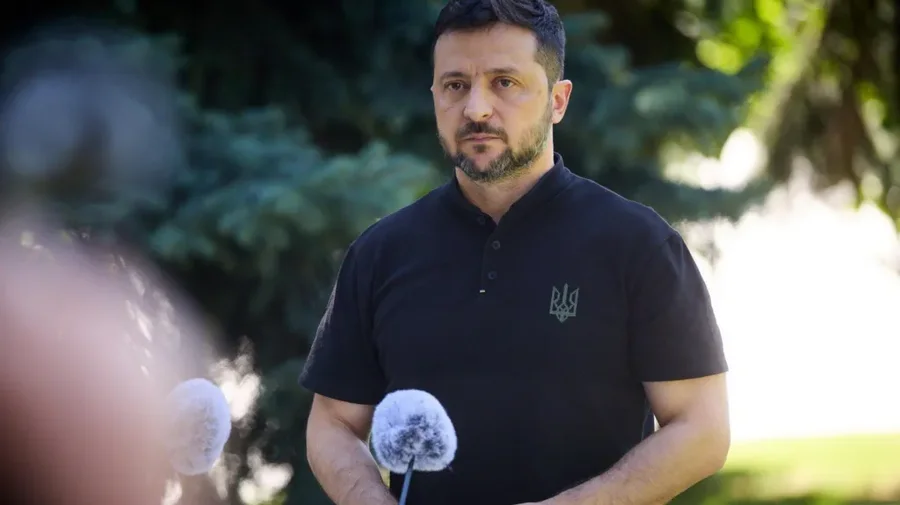
Ukrainian President Volodymyr Zelensky has categorically rejected proposals to create a neutral zone between Ukrainian and Russian forces as part of a peace deal, arguing that such a model does not fit the realities of modern warfare.
According to a Politico report, European diplomats have discussed the possibility of creating a 40-kilometer corridor inside Ukrainian territory that would serve as a buffer zone between the sides. But Zelensky said such a space already exists, as the massive use of drones has forced the armies to keep a considerable distance from each other.
He described the area as a “dead zone,” where heavy artillery cannot operate due to the immediate threat of drone strikes. “If Russia requires greater distance, it can retreat deeper into the temporarily occupied territories of Ukraine,” the president said.
Kiev's refusal to accept such an agreement is also linked to the fact that any "neutral zone" would mean surrendering territories, which Zelensky considers unacceptable. He accused Moscow of not being ready for diplomacy, but seeking to gain time to prolong the war.
Meanwhile, hopes for a direct summit between Zelensky and Vladimir Putin have faded after a meeting last week between US President Donald Trump, European leaders and the Ukrainian president. German Chancellor Friedrich Merz said such a meeting was not possible, as Putin has shown a lack of will for peace.
The situation on the ground remains dramatic. Russia has fired 629 missiles and drones into Kiev, killing 23 people and causing one of the heaviest airstrikes of the war. Two of the missiles hit near EU offices in the center of the capital, prompting strong reactions from European leaders.
France and Germany have warned of increased pressure on Moscow, while EU foreign policy chief Kaja Kallas called the latest Russian campaign “a deliberate escalation against civilians.” She stressed that discussions on providing security guarantees to Ukraine would continue, comparing the process to a form of “NATO-like” protection.
Moscow, on the other hand, has called these plans “one-sided” and directed against its security interests. Russian Foreign Ministry spokeswoman Maria Zakharova said that any security guarantees must also take into account “Russia’s legitimate interests.”
The war, which has entered its 41st month, remains without a clear diplomatic solution, while the chances of its end seem increasingly remote.


Lini një Përgjigje