


 Shkruar nga Jawad Iqbal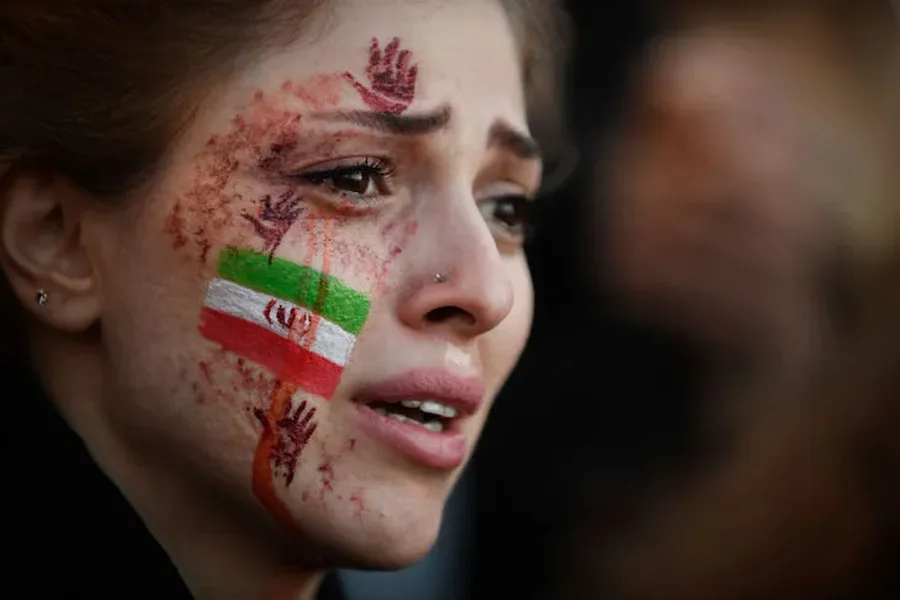
The regime prefers to blame the country's problems on external forces, i.e. the United States and Israel. But even this is an old and tired "music" that does not convince anyone, least of all its people...
The record low turnout in Iran's parliamentary elections, which took place last Friday, is another blow to the regime's efforts to pretend that all is well in the country. Early reports show that less than 41 percent of citizens with the right to vote turned out in the elections.
So millions of Iranians have rejected the regime, choosing to stay at home instead of voting. Elections have never been a matter of final results (for the motley crew of religious hardliners and social conservatives backed by the ruling clergy, victory was almost guaranteed), but of how many people would actually take the trouble. and they would go to vote.
Participation is very important to the mullahs, because the electoral process exists solely to give the regime the facade of democratic legitimacy. This is also the reason why in recent weeks the authorities have done everything they can to increase the number of voters.
Iran's Supreme Leader Ayatollah Ali Khamenei has repeatedly urged people to vote, describing it as a national duty.
"If the participation in the elections is low, we all risk being harmed" , he declared.
But his pleas were ignored. The low participation in the elections showed a great anger in the public as well as the decline of trust in the rulers of the country. More than 15,000 candidates competed for a seat in the 290-member parliament, officially known as the Islamic Consultative Assembly.
Anyone who opposes the official line was disqualified from the race in advance.
Iran's Guardian Council, responsible for overseeing elections and enforcing laws, barred thousands of pro-reform candidates from participating in the process.
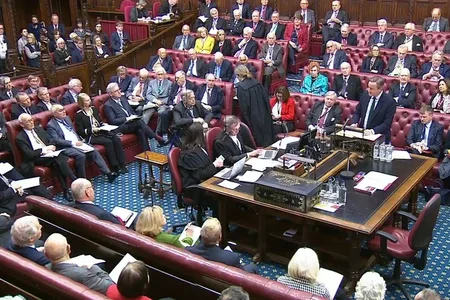
The Iranian parliament formally oversees the work of the government and votes on laws and treaties. But the real power is held by Ayatollah Khamenei. So the parliament, which does not have a voice on critical issues such as nuclear or foreign policy, is there to seal the wishes of the supreme leader.
This is more than evident in his recent focus on laws governing the compulsory wearing of the hijab by women following nationwide protests following the brutal death of Mahsa Amini in a police station. She was arrested for violating the strict religious dress code.
In response, the authorities launched a brutal crackdown to quell the growing unrest. About 500 people were killed, while more than 22,000 others were arrested. Parliament, dominated by radicals, responded to the protests by passing even tougher laws with even heavier penalties for women who violate the rules of wearing the hijab.
The other elections that took place on Friday were for members of the 88-nation Assembly of Experts. This body has the competence to appoint the Supreme Leader of the country. This is another electoral arrangement, typical of the Iranian style. Candidates for this assembly are vetted in advance and only those approved by the regime are allowed to run.
Behind-the-scenes machinations have taken on added urgency and importance because Ayatollah Khamenei is 84 years old and in poor health. It is very likely that at some point, and very soon, members of the assembly will be called to elect his successor.
There are rumors that Khamenei wants his son Mojtaba to succeed him in power, an unprecedented and highly controversial move that would put the Islamic Republic on the path to dynastic rule. Such is the paranoia of the ruling clique when it comes to keeping control of the succession process that even former Iranian president Hassan Rouhani was barred this time from running for assembly elections.
Sooner or later, no one is safe from suspicion. So what happens now? The people of Iran have sent a clear message to their rulers that they are disgusted with their despotic rule. Many Iranians, and especially young people, believe that voting does not change anything about the systemic corruption, economic mismanagement and brutal repression that are a feature of daily life under the rule of the mullahs.
There is great discontent in the country about Iran's collapsing economy, with an inflation rate of over 30 percent. 1 in 5 young people is unemployed. Anger and despair are felt everywhere. The mullahs offer no real answer beyond increasingly harsh crackdowns to restore order and maintain their power.
The regime prefers to blame the country's problems on external forces, i.e. the United States and Israel. But even this is an old and tired "music" that does not convince anyone, least of all its people. After more than 4 decades of absolute power, the responsibility for Iran's difficulties falls solely on the mullahs in Tehran.
Even the voters know this. Therefore mass boycott of elections is the only form of protest left under a regime that has crushed all other forms of freedom. / Adapted "Pamphlet" from "The Spectator".
Note: Jawad Iqbal, former TV presenter in Iran and fellow of the Institute of Global Affairs at the London School of Economics.



Lini një Përgjigje