


 Shkruar nga Pamfleti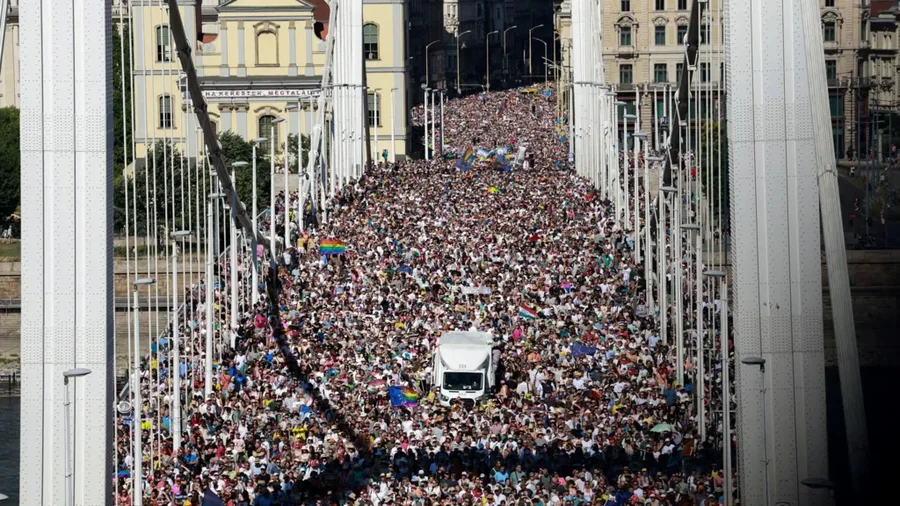
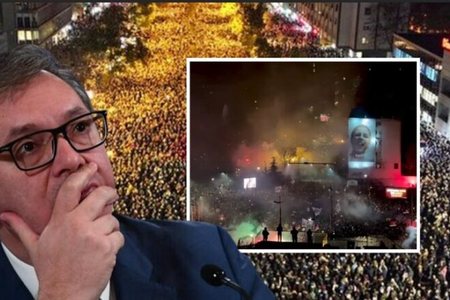
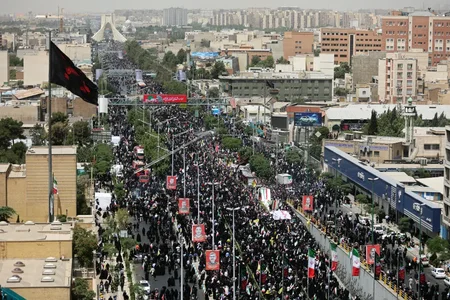
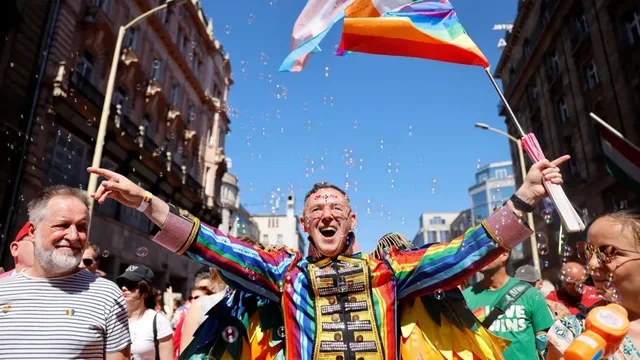
Tens of thousands of citizens marched through the streets of Budapest this weekend in what is expected to be the largest pride parade in Hungary's history, in the face of a harsh legal and political climate created by the conservative government of Prime Minister Viktor Orban.
Organizers estimate that over 200,000 people participated in the Pride march, defying police bans and pressure from nationalist politicians to ban any public displays supporting the LGBTQ+ community.
Hungarian police had announced the ban on the event, citing a new "child protection" law, which in practice bans any gathering or symbol seen as "promoting homosexuality."
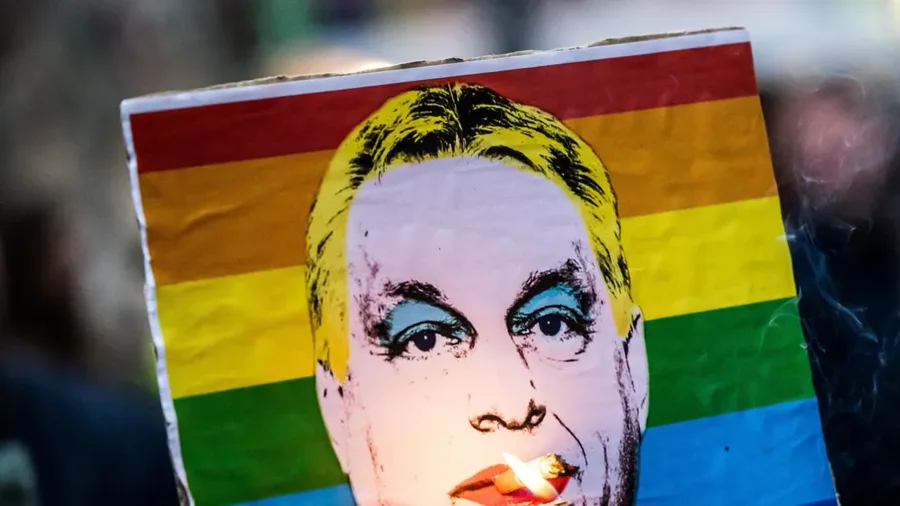
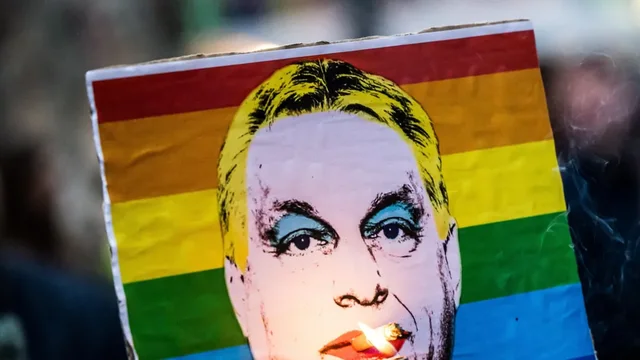
Orban, in an interview on state radio, downplayed the possibility of physical clashes, but warned of legal consequences:
"The police have the authority to intervene. We are a civil society, we don't hurt each other. But there will be legal consequences," he said.
Participants risk fines of up to 500 euros, while organizers could face a year in prison. Police are allowed to use facial recognition technology to identify citizens.
Luca, 34, who participated with her mother Enikö, stated:
"We have a law that prohibits different people from gathering. We are here because this violates our rights."
Concerned about the future of her four-year-old daughter, Luca added: "She is growing up in a place where she can't love whoever she wants."
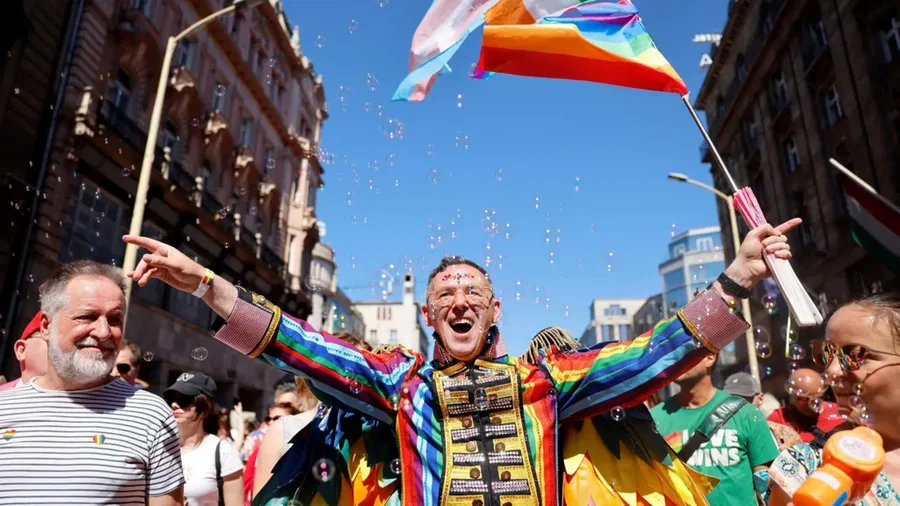
Barnabás, 22, who is not part of the community, came from the village to show solidarity: “I know what it's like to not be seen, to be treated as invisible. I came to say that this is not fair.”
EU Equality Commissioner Hadja Lahbib joined the march, along with dozens of MEPs. In a post on the X network, she called the march “a symbol of the power of civil society.”
Finnish MEP Li Andersson declared: “This is not just a pride parade. It is a battle for the fundamental rights of every citizen. Orban is using the pretext of ‘family values’ to suppress freedoms.” / BBC


Lini një Përgjigje