


 Shkruar nga Pamfleti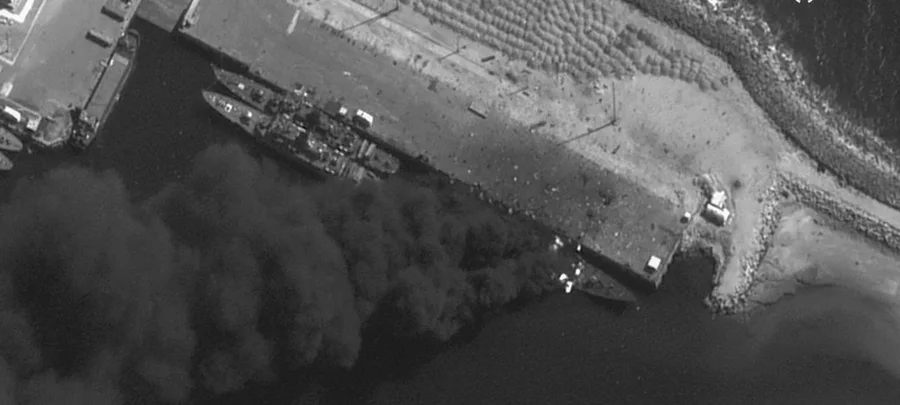
Israel and the US have killed Iran's Supreme Leader and many senior military officials. Why was the attack so effective? A summary in graphics and images...
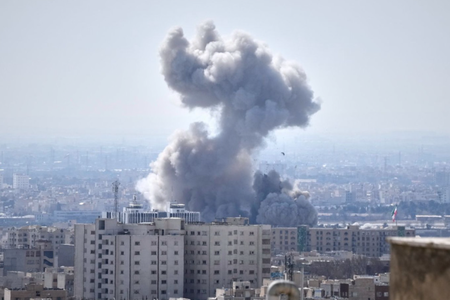
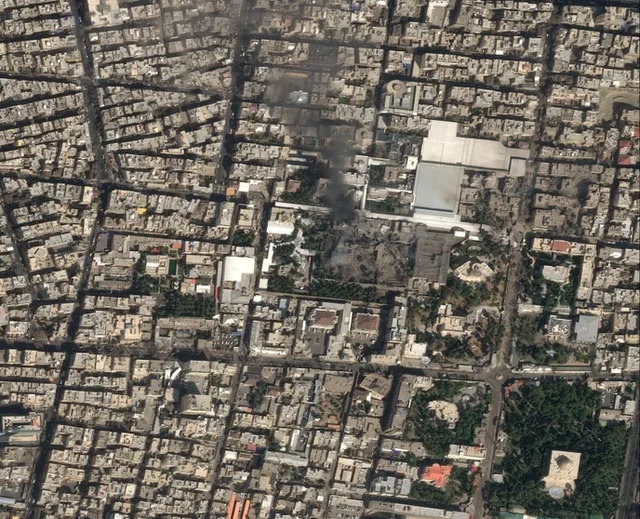
The United States and Israel launched attacks on Iran in broad daylight, apparently taking the country's political and military leadership by surprise. Among the first targets, on Saturday morning, was the residence of Supreme Leader Ali Khamenei, whose death Iran has since confirmed. Satellite images after the attack show several buildings destroyed within Khamenei's residence complex.
To eliminate Khamenei, Israel and the US changed their attack plans at the last minute, according to the New York Times. The CIA had managed to discover that Khamenei would meet with other senior Iranian representatives in the heart of Tehran on Saturday morning; initially, as is usually the case in such operations, the attack was planned to be carried out at night.
According to the newspaper, close cooperation between American and Israeli intelligence made the surprise strike possible: at 06:00 in the morning, the first fighter jets, armed with long-range precision missiles, took off from Israeli bases; at around 09:40 the missiles hit Khamenei's residence. The attack killed, among others, the commander-in-chief of the Revolutionary Guard, Mohammed Pakpour, and Defense Minister Aziz Nasirzadeh, as confirmed by Iranian state media.
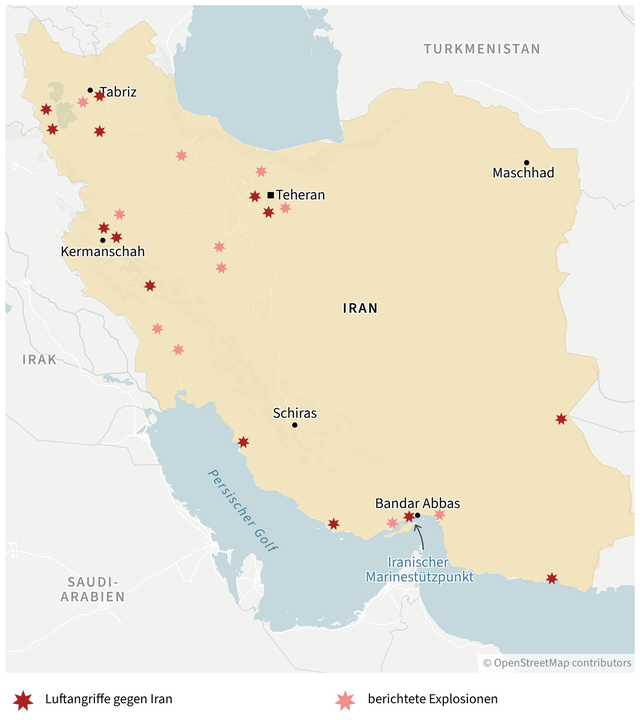
The United States and Israel also targeted numerous military targets. According to the Israeli armed forces, with about 200 fighter jets, this is the largest air force operation in their history. By Saturday evening, 500 targets had been hit, including air defense systems and missile launch sites. According to the Israeli military, this provided air superiority over Iran and “significantly” limited the regime’s offensive capabilities.
Among other things, a modern defense system codenamed SA-65 was hit in Kermanshah province, in western Iran.
Analysts at the specialized portal Army Recognition identified the system as the domestically produced Khordad-3 battery. According to them, this battery is capable of repelling aircraft, drones and precision weapons and forms an important part of the defensive belt in western Iran, which protects missile positions, air bases and command centers in the interior of the country.
According to analysts, the destruction of this system could create gaps in Iran's multi-layered air defense structure and facilitate further attacks. Attacks on Iran continued on Sunday.

American forces also used new weapons.
Sipas deklarimeve të tyre, për herë të parë u përdor droni kamikaz me rreze të gjatë Lucas (Low-Cost Uncrewed Combat Attack System). Ai bazohet në dronët iranianë të tipit Shahed-136, të cilët Teherani thuhet se i ka përdorur edhe në kundërsulmet e veta.
“Ushtria amerikane ka siguruar një Shahed iranian”, deklaroi një përfaqësues amerikan në dhjetor, duke shtuar se droni ishte analizuar dhe rikonstruktuar.
Droni Lucas mund të operojë në mënyrë autonome, ka kosto të ulët dhe mund të lëshohet nga platforma të ndryshme. Përtej kësaj, dihet pak për këtë mjet të ri fluturues. Nuk është e qartë në çfarë numri dhe kundër cilëve objektiva u përdor kundër Iranit.
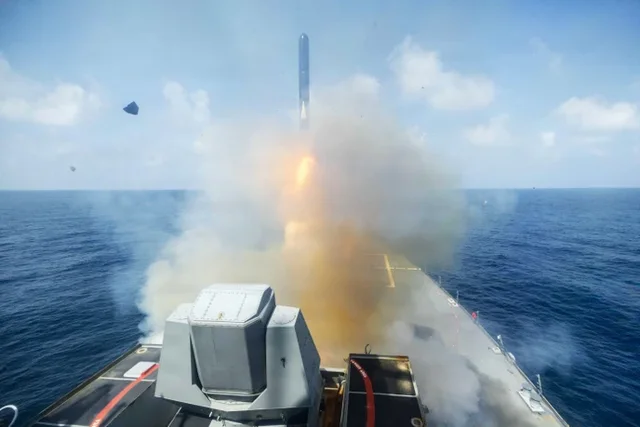
Shtetet e Bashkuara duket se përdorën për herë të parë edhe variante të reja të armëve të tyre precize me rreze të gjatë. Në pamjet e publikuara nga forcat e armatosura shihen lëshime të raketave balistike ATACMS dhe të raketave lundruese Tomahawk. Vëmendje të veçantë tërhoqi një imazh i një Tomahawk-u të zi, i lëshuar nga një shkatërrues amerikan, një variant që deri tani nuk ishte bërë publik.
Portali i specializuar “The War Zone” supozon se arma e re është më e vështirë për t’u zbuluar dhe është pajisur me teknologji që thith valët e radarit dhe redukton gjurmën infra të kuqe. Kjo mund të luajë rol të rëndësishëm sidomos në sulmet ndaj objektivave detare.

Sipas deklarimeve të ushtrisë amerikane, u dhanë përparësi objektivave “nga të cilët vinte një kërcënim i menjëhershëm”. Këtu përfshiheshin qendrat e komandës dhe kontrollit të Gardës Revolucionare, instalimet e mbrojtjes ajrore, vendet e lëshimit të raketave dhe dronëve, si dhe aeroportet ushtarake.
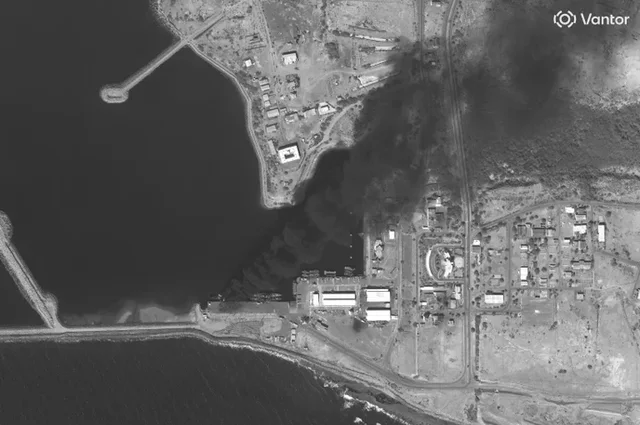
Presidenti amerikan Donald Trump theksoi në deklaratën e tij të shtunën se synon edhe “të shkatërrojë” marinën iraniane. Forcat e armatosura raportuan sukseset e para: imazhet satelitore tregojnë një anije luftarake në flakë në portin e Konarakut, në jug të Iranit, prej nga marina ka dalje në Oqeanin Indian.

Anija e goditur thuhet se është një fregatë e klasës Alvand, megjithëse kjo nuk është konfirmuar përfundimisht. Fregatat e kësaj klase përdoren kryesisht për luftë kundër anijeve dhe nëndetëseve armike dhe janë të pajisura me raketa kundër-anije dhe bomba thellësie. Imazhet satelitore paraqesin sulmin e parë të konfirmuar të suksesshëm ndaj marinës iraniane në këtë luftë.
Të dielën, ushtria amerikane njoftoi se ka sulmuar një tjetër anije luftarake iraniane në mol në Chabahar. Porti ndodhet pranë bazës detare në Konarak dhe konsiderohet strategjikisht i rëndësishëm. Sipas njoftimit, u godit një korvetë e klasës Jamaran. Anija po “fundosej në fund të Gjirit të Omanit”, thuhej në deklaratë. Më vonë, Trump njoftoi se nëntë anije të marinës ishin fundosur, përfshirë “disa relativisht të mëdha dhe të rëndësishme”. Nga pala iraniane nuk pati konfirmim të menjëhershëm. Trump paralajmëroi sulme të tjera kundër marinës.

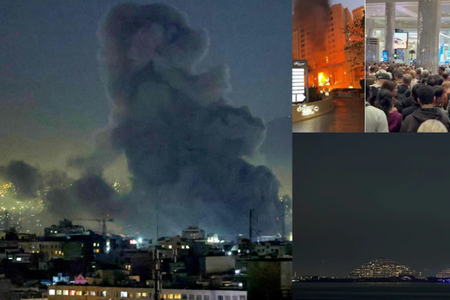
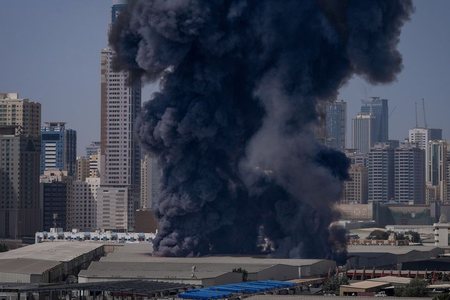
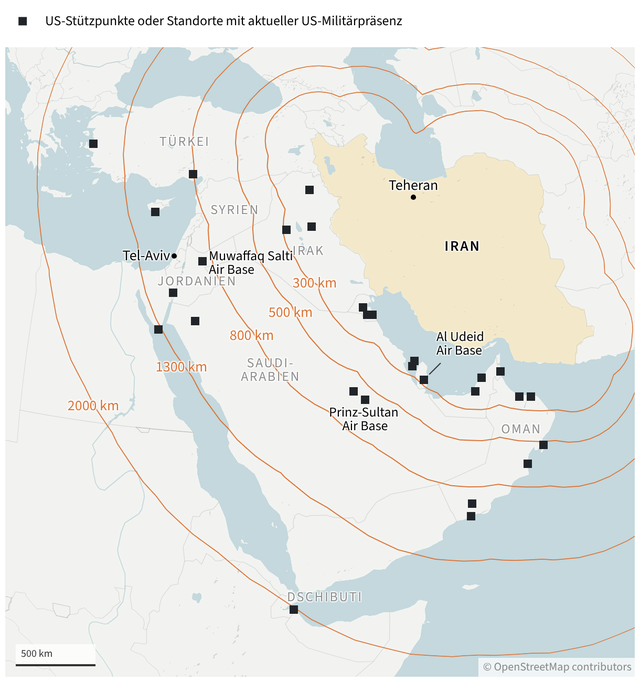
Since Saturday, Iran has launched drone and missile attacks on Israel and several Arab states with US military presence in retaliation. According to Tehran's statements, the Al-Udeid base in Qatar, Al-Salem in Kuwait, Al-Dhafra air base in the United Arab Emirates, Prince Sultan air base in Saudi Arabia and the US fleet in Bahrain were hit. Drone and missile attacks are also reported in northern Iraq.
Although many aircraft were repelled, there were also hits. Dark smoke was seen near a warehouse next to the US naval base in Bahrain, as confirmed by residents. Published videos showed a large fire in the port area. Iranian drones are said to have damaged the US base.

The US military said on Saturday that damage to US facilities was minimal and did not affect operations. On Sunday, the armed forces command announced that so far three US soldiers have been killed and five have been seriously injured. Other details were not made public. /Adapted from Faz /





Lini një Përgjigje