


 Shkruar nga Pamfleti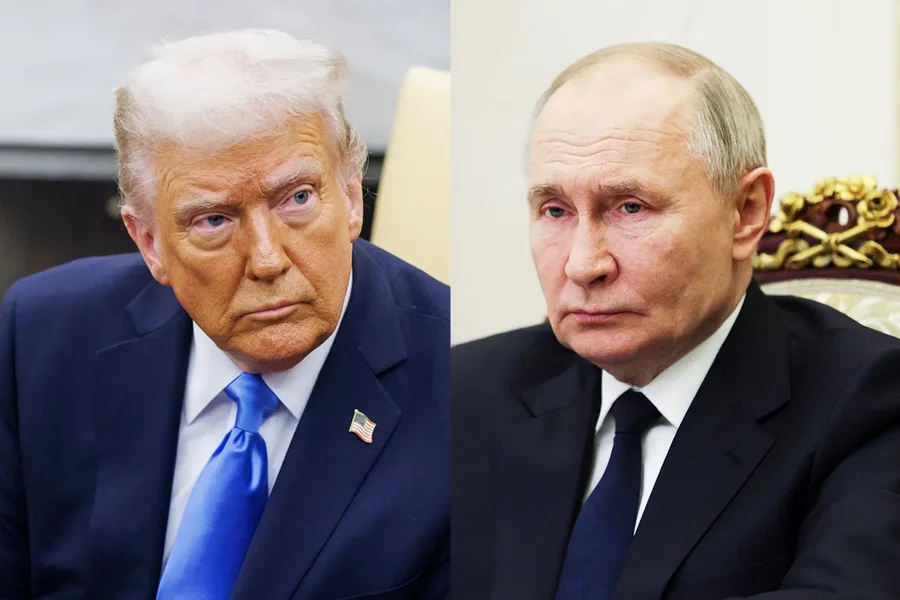
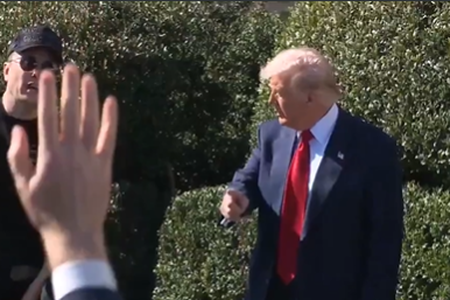
Washington has often been concerned about confrontations between US President Donald Trump and his Russian counterpart, President Vladimir Putin.
The American leader has displayed a certain intimacy with the Kremlin's authoritarian leader, leaving critics and even allies speechless, many of whom wonder whether the former KGB colonel might use flattery and other means to resolve issues to his liking.
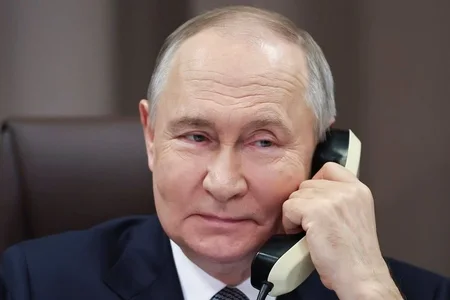
Now, as Trump prepares to speak with Putin in a crucial phone call on March 18 to end the war in Ukraine, the world is waiting to see whether he will stand firm and demand a temporary unconditional ceasefire, or accept some of the Russians' conditions.
For Ukraine, many things are at stake, including its territorial integrity.
"It's important that President Trump stands firm and insists on a clean ceasefire. And if the Russians don't agree, he should be prepared to follow through on the promises he's made to increase pressure on Moscow," John Hardie, deputy director of the Russia Program at the Foundation for Defense of Democracies, told Radio Free Europe.
On March 11, Ukraine accepted Trump's proposal for a 30-day ceasefire, without conditions, passing the buck to Putin to end the now three-year-old war.
At a press conference in Moscow three days later, the Russian leader politely tried to pass the ball back to Trump, telling the world that, while he agreed in principle with the US president's proposal, he wanted some issues addressed before accepting the deal.
Putin said he is concerned that Ukraine could use the cessation of fighting to regroup, train and rearm at a time when his forces have the advantage on the battlefield.
He also raised doubts about the surveillance of the 1,000-kilometer front during the ceasefire and demanded that the "reality on the ground" be taken into account in peace talks, which implies Russia's control over Ukrainian soil.
Experts have long warned that Putin is interested in ending the war only on his own terms, including full control of the four Ukrainian regions that Russia claims it annexed in 2022, the disarmament of Kiev, and Ukraine's non-membership in NATO.
At an annual geopolitical conference in New Delhi on March 18, Ukrainian Foreign Minister Andriy Sybiha expressed Kiev's confidence that it could "achieve a lasting and just peace" with Trump's leadership and was expecting an "unconditional yes to a ceasefire" from Russia.
"Our approach: Now is the time for diplomacy, for strong diplomacy," Sybiha said.
Trump e ka bërë përfundimin e luftës sa më shpejt prioritet kryesor për administratën e tij. Duke qenë se Moska dhe Kievi ende kanë shumë papajtueshmëri, ka shqetësime se Trump mund të ushtrojë trysni ndaj presidentit ukrainas, Volodymyr Zelensky, që të bëjë më shumë lëshime sesa Putini.
Para fillimit të bisedimeve për armëpushim, presidenti amerikan tha se ishte kundër anëtarësimit të Ukrainës në NATO dhe se Kievi do të duhet të heqë dorë nga disa territore - duke bërë lëshime të dukshme ndaj dy kërkesave kryesore të Putinit - megjithëse Trump nuk i ka pranuar ato si parakushte për marrëveshjen e armëpushimit.
Lideri rus beson se po fiton luftën dhe se koha është në anën e tij, prandaj do të përpiqet t’i zvarrisë bisedimet për armëpushim në vend që ta hedhë poshtë menjëherë propozimin, në mënyrë që të mos e irritojë Trumpin, kanë thënë ekspertët.
Megjithatë, Trump ka shprehur optimizëm për bisedën e paralajmëuar me Putinin, duke u thënë gazetarëve më 16 mars se “është bërë shumë punë gjatë fundjavës” për ta arritur një armëpushim.
Trump çoi të dërguarin e tij të posaçëm, Steve Ëitkoff, në Moskë javën e kaluar për t'u takuar me Putinin, për ta përgatitur bisedën me telefon më 18 mars.
Ai tha se do të bisedojë me Putinin si për “territoret” ashtu edhe për “termocentralet”, duke iu referuar ndoshta centralit bërthamor më të madh në Evropë, të cilin Rusia e kontrollon në Ukrainë.
“Mendoj se kemi i diskutuar tashmë shumë nga këto çështje, si nga Ukraina ashtu edhe nga Rusia. Tashmë po flasim për ndarjen e disa aseteve”, tha Trump.
“Mendoj se kemi një shans shumë të mirë” për t’i dhënë fund luftës, shtoi ai.
John Herbst, ish-ambasadori i SHBA-së në Ukrainë (2003-2006) dhe analist në Këshillin Atlantik, tha për REL-in se retorika që vjen nga Kremlini nuk përputhet me tonin optimist të Shtëpisë së Bardhë.
Sipas Herbst, Rusia nuk ka dhënë asnjë shenjë se është e gatshme të bëjë lëshime.
“Gjë e mirë”
Ian Bremmer, themeluesi i kompanisë së konsulencës për rreziqe politike Eurasia Group, tha në një video të publikuar më 17 mars në X se përpjekja e Trumpit për armëpushim është “hap i rëndësishëm”, duke pasur parasysh vështirësitë e Ukrainës në fushëbetejë.
Rusia ka çarë përpara në lindje të Ukrainës që nga fundi i vitit 2023 - pas kundërofensivës së dështuar të Ukrainës - pavarësisht humbjeve të mëdha në njerëz dhe pajisje. Me përparësinë e saj të konsiderueshme në ushtarë, disa ekspertë ushtarakë thonë se nuk shohin rrugë të qartë për Ukrainën për t’i rimarrë territoret e saj.
“Do të ishim në një pozicion më të mirë sot nëse [ish-presidenti Joe] Biden do të kishte qenë më i gatshëm të ushtronte trysni ndaj Zelenskyt dhe aleatëve evropianë, dhe të tregonte se Amerika e kuptonte që pozita e Ukrainës karshi Rusisë po dobësohej dhe se lufta po çonte vetëm në më shumë shpenzime dhe më shumë jetë të humbura nga të dyja palët”, tha Bremmer.
Using Trump's terminology, Bremmer said that the American president, with the support of allies, has the cards in his hand in these negotiations, but warned that Putin knows how to play well even with a weak hand.
Hardie shared the same concern, saying Putin will try to use the call “to shape” Trump’s view of the conflict through disinformation. He noted that Trump last week repeated Putin’s exaggerated claim that Ukrainian forces in Kursk were surrounded by Russian troops.
This is not the first time Trump has echoed a Putin view after talks with the Kremlin leader.
At the same time, Trump has also spoken in harsh tones toward Russia. He has threatened to impose tariffs and sanctions on Moscow if the Kremlin does not agree to a ceasefire. But he has not publicly stated any timeline, giving the Kremlin few opportunities to negotiate.
One of the main tools on his mind is oil sanctions, Hardie said.
Trump could lower the $60 price cap set by the US and EU in 2022 on Russian oil exports transported by Western ships. The US president could also sanction more Russian oil tankers. Russia uses the money from oil exports to fuel its economy and defense, accounting for about a third of its federal budget revenue.
During the election campaign, Trump opposed U.S. military support for Ukraine, which could limit his ability to use supplying Ukraine with weapons as leverage if Russia does not accept the ceasefire proposal.
However, Trump could use the remaining $3.8 billion from the $61 billion aid package approved last year to support Ukraine militarily, Hardie said.
Trump has said he will impose sanctions and tariffs on Russia if the Kremlin does not agree to a ceasefire. However, he has not set a timeline for this./ REL


Lini një Përgjigje