


 Shkruar nga Pamfleti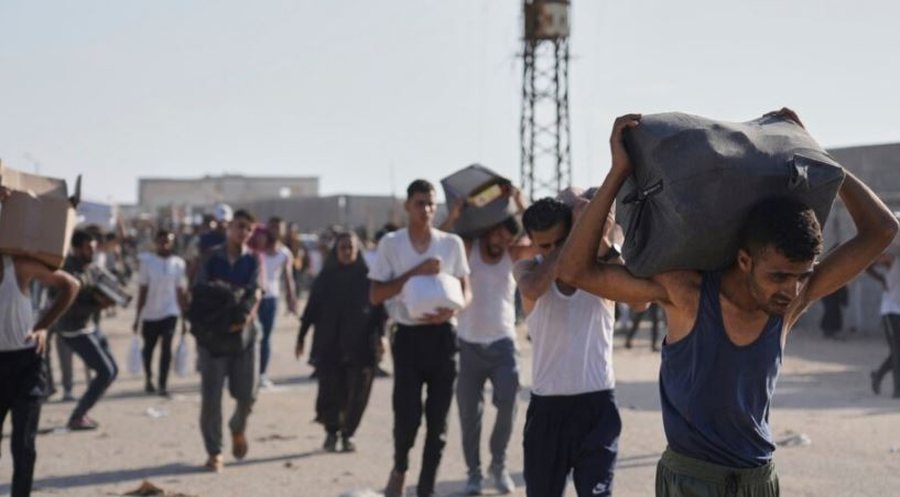
A Washington-backed group that has been approved by Israel to take over the distribution of aid to Gaza said it had begun operations, despite opposition from the United Nations and most humanitarian groups and despite the sudden resignation of one of its executive directors.
The Gaza Humanitarian Foundation (GHF) is a key point for the new aid system that would remove aid distribution from UN-led charity groups, which have carried out a major operation delivering food, medicine, fuel, tents and other supplies to Gaza since the war began in October 2023.
The new mechanism limits food distribution to a small number of centers overseen by armed contractors, where people must go themselves to receive the aid. Four such centers are currently being set up, all near Israeli military positions. Three of them are located in the southern edge of Gaza, where there are very few Palestinians.
The GHF said it had started delivering food trucks to its centers on Monday, without giving details on the amount of aid being distributed. The foundation said the flow of supplies “will increase every day.” The GHF also said it plans to deliver aid to more than 1 million Palestinians by the end of the week. The Gaza Strip has a population of nearly 2.3 million.
Jake Wood, the American who has led this effort, said on Sunday evening that he was resigning because it was clear that the organization would not be allowed to operate independently.
Israel has sought an alternative plan because it accuses Hamas — the Palestinian group designated a terrorist organization by the United States and the European Union — of diverting aid. The UN and other aid groups have denied that there is any major diversion of aid. They oppose the new mechanism, saying it allows Israel to use food as a weapon, violates humanitarian principles and will not be effective.
Israel had blocked food, fuel, medicine and other aid from entering Gaza for nearly three months, pushing the territory towards starvation. Last week, it allowed a minimal amount of supplies in, saying it would leave distribution to the UN only until the GHF became operational.
The Hamas-led Interior Ministry on Monday warned Palestinians in Gaza against interacting with the GHF.
But how will this plan work, who is behind it, and why is it being opposed by aid groups?
Who is behind GHF?
Publicly, the GHF was launched earlier this year and is led by a group of American security contractors, former military officers and humanitarian aid officials. The foundation has the support of Israel and the United States.
Until his resignation, Jake Wood was the face of the foundation. Wood is a U.S. Army veteran and co-founder of the disaster relief group Team Rubicon.
It is now unclear who leads the GHF.
A proposal circulated by the group earlier this month, obtained by the AP, included several names, including former UN World Food Program director David Beasley. Neither Beasley nor the GHF have confirmed his involvement.
It also remains unclear who is funding the GHF. The foundation claims to have received more than $100 million from a European Union government, but has not disclosed the name of the donor. The US and Israel have stated that they do not fund it.
What is the GHF plan?
GHF's plan to centralize distribution through centers is similar to a plan designed by Israel.
The group says the first four centers will serve meals to nearly 300,000 people. The foundation says it will eventually be able to meet the needs of 2 million people. It also said it would set up more centers within 30 days, including in the north, but did not say where exactly the centers would be built.
The aid will be transported with the help of private subcontractors, who will deliver the supplies in armored vehicles from the Gaza border to the aid centers, and they will also provide security. The aim, according to the foundation, is to prevent the involvement of criminal gangs or militants in the diversion of aid.
Satellite images taken on May 10, obtained by the AP, showed that construction of the centers has begun. The photos showed one center in central Gaza, near the Netzarim Corridor, a strip of land held by Israeli troops. Three others are in the Rafah area, south of the Morag Corridor, another strip held by the military.
Almost the entire population is currently in northern Gaza – where there is currently no center – or in central Gaza. They will have to cross Israeli military lines to reach the centers near Rafah.
Shortly before his resignation, Wood spoke of some adjustments to the plan, but it is not clear whether Israel has agreed to these changes.
Në një letër dërguar zyrtarëve izraelitë, të cilën e ka parë AP-ja, Wood tha se derisa të jenë funksionale të paktën tetë qendra, sistemi ekzistues i udhëhequr nga OKB-ja do të vazhdojë të ofrojë ushqim paralelisht me GHF-në. Ai shtoi se edhe në të ardhmen, sistemi i udhëhequr nga OKB-ja do të vazhdojë të shpërndajë të gjitha ndihmat humanitare joushqimore – përfshirë furnizimet mjekësore, produktet higjienike dhe materialet për strehim. Wood e pranoi se GHF-ja nuk është në gjendje t’i menaxhojë këto ndihma.
Në letrën e dërguar trupit ushtarak izraelit përgjegjëse për koordinimin e ndihmës në Gaza, COGAT, Wood tha se GHF-ja dhe Izraeli kishin rënë dakord për këto kushte. Megjithatë, COGAT-i nuk e ka konfirmuar këtë gjë.
Pse po e kundërshtojnë këtë plan grupet e ndihmës?
OKB-ja dhe organizatat e ndihmës thonë se ky plan do ta përdorte ndihmën si “armë” për qëllime ushtarake dhe politike të Izraelit.
Sipas tyre, Izraeli do të kishte kontrollin për të përcaktuar se kush do të marrë ndihmë dhe për të detyruar popullsinë të zhvendoset në zonat ku shpërndahet ajo, duke zbrazur kështu pjesë të mëdha të territorit. Kjo do të përbënte, potencialisht, shkelje të ligjeve ndërkombëtare që ndalojnë zhvendosjen me forcë.
“Nuk mund të marrim pjesë në një sistem që shkel parimet humanitare dhe rrezikon të na përfshijë në shkelje serioze të së drejtës ndërkombëtare”, tha Shaina Low, këshilltare për komunikimin në Këshillin Norvegjez për Refugjatët, një nga organizatat kryesore të ndihmës që operojnë në Gazë.
avën e kaluar, kryeministri izraelit, Benjamin Netanyahu, deklaroi se sipas këtij mekanizmi të ndihmës, popullsia e Gazës do të zhvendosej përfundimisht në një “zonë sterile” në skajin jugor të Gazës. Ai deklaroi se kjo bëhet për mbrojtjen e tyre, ndërsa forcat izraelite luftojnë Hamasin në pjesë të tjera të enklavës palestineze. Netanyahu shtoi gjithashtu se pasi palestinezët të futen në atë zonë, “nuk është e thënë që të kthehen më”.
Izraeli gjithashtu thotë se pasi Hamasi të mposhtet do të zbatojë një plan të propozuar nga presidenti amerikan, Donald Trump, për të zhvendosur popullsinë e territorit jashtë Gazës, megjithëse e paraqet largimin si “vullnetar”. Palestinezët, së bashku me pothuajse gjithë komunitetin ndërkombëtar, e kanë refuzuar këtë ide.
GHF-ja tha në një deklaratë se është një organizatë e pavarur dhe apolitike dhe nuk do të bëhet pjesë e asnjë zhvendosjeje masive. Ky fondacion theksoi se sistemi i tij është plotësisht në përputhje me parimet humanitare, përfshirë paanshmërinë dhe pavarësinë.
Izraeli u kishte thënë më herët organizatave të ndihmës se synon të verifikojë përfituesit e ndihmës dhe do të përdorë teknologjinë për njohjen e fytyrës. GHF-ja ka deklaruar se ushqimi do të shpërndahet sipas nevojës, pa kërkesa për përzgjedhje. Megjithatë, organizatat e ndihmës thonë se përfituesit do të duhet të kalojnë afër ose përmes pozicioneve ushtarake izraelite për të arritur në pikat e shpërndarjes, duke i ekspozuar ndaj procesit të verifikimit.
The UN and aid organizations also say the GHF plan cannot meet the vast needs of Gaza's population.
Plans for the distribution of non-food aid remain uncertain. The GHF also said that each meal it distributes will contain 1,750 calories. This is below the 2,100-calorie-per-day standard for meals in emergency situations used by the UN's World Health Organization, UNICEF and the World Food Programme.
Aid workers say this change is simply not necessary.
The UN and other aid organizations “have clearly demonstrated that they can meet the needs of this population when they are allowed to,” said UNICEF spokesman James Elder. “We just need to get back to what works.”/ REL








Lini një Përgjigje