


 Shkruar nga Pamfleti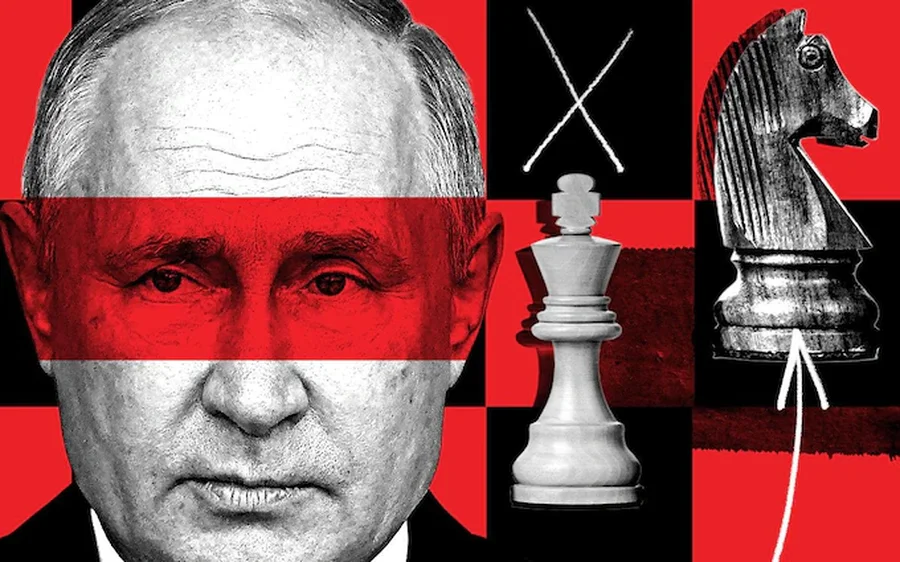
If Prigozhin is not jailed, if not killed by Putin, it will send a signal to everyone that Putin is weaker than they thought...
For two days after Wagner's boss Yevgeny Prigozhin called off his failed coup, Russian President Vladimir Putin said nothing in public. Facing the biggest challenge to his authority in 23 years, many expected the president to respond with fury.
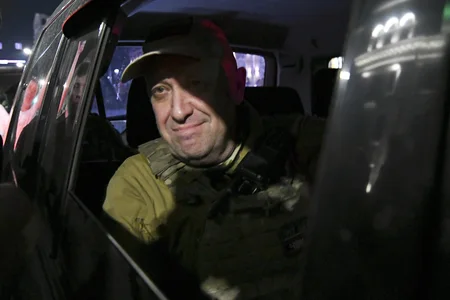
Instead, the silence was broken first by his opponent. In an 11-minute audio message posted on his Telegram channel, Prigozhin claimed he had staged a mere protest, rather than a coup, trying to "bring to justice" Russia's top military leaders for "mistakes of them during the special military operation".
When Putin finally addressed the nation again on Monday, he was remarkably soft-spoken. He thanked the insurgents for taking the "right decision" in halting their advance and offered them contracts to join the Russian defense ministry force. He also claimed that "the armed rebellion would have been crushed anyway", without specifying how.
For a leader known for delivering big historical theses, Monday's speech was brief, lasting just a few minutes and leaving more questions than answers.
Why was Prigozhin allowed to escape to Belarus? Why were the rebels not punished? And how does Putin try to reassert his authority?
First appease, then punish
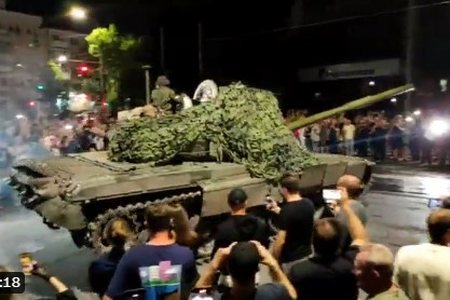
In a strange and chaotic 36 hours, Prigozhin traveled 800 miles from the Ukrainian border to Moscow, captured a regional military command, stormed a major city and claimed to have shot down a military helicopter.
Many expected Putin's response to be swift and brutal. He said in his speech on Saturday that Wagner's "betrayal" was a "betrayal" of their country.
" Putin values loyalty above all else. You can steal, you can kill, you can be a criminal. But the only thing you can't be is disloyal ," Dmitri Alperovich, a member of the National Security Advisory Council, told CNN.
Given this, Putin's apparent reluctance to punish the insurgents seemed strange.
But according to Kirill Shamiev, a member of the European Council on Foreign Relations, Putin's first priority will be to "demilitarize, disarm and demobilize the Wagner group", before issuing the sentence against them.
"At the tactical level, it's important to defuse the situation a bit to give some hope and leverage to Wagner's regular mercenaries and the high command, to reduce their incentives to act," Shamiev told CNN .
Putin is currently engaged in a balancing act. His instinct may have been to respond quickly, demonstrate that rebellion will not be tolerated and project an image of power. But if he moves too quickly, he risks inciting another rebellion - and giving the impression of panic.
" If you react too quickly, it can show the elites that you are scared ," Shamiev said. Paradoxically, taking the "strong man" approach can instead reveal weaknesses.
Lack of public support
Gjatë një krize, dukshmëria ka rëndësi. Tani që pluhuri është qetësuar pas një fundjave kaotike, Putini po përpiqet të projektojë një imazh kontrolli. Por ai nuk ka qenë në gjendje të kërkojë një metodë tjetër për të rivendosur kontrollin që liderët e tjerë kanë përdorur pasi janë përballur me sfida të ngjashme për autoritetin e tyre: Mobilizimin e mbështetjes politike.
Kur presidenti turk Rexhep Tajip Erdogan u përball me një përpjekje për grusht shteti në vitin 2016, përgjigja e tij ishte e shpejtë dhe pa kompromis. Mijëra u burgosën brenda disa ditësh. Ai njoftoi publikisht se po konsideronte rivendosjen e dënimit me vdekje. Edhe një vit më vonë, zemërimi i tij ishte i dukshëm.
"Ne do t'u presim kokat këtyre tradhtarëve", tha ai.
Gjatë gjithë krizës, Erdogan mezi u largua nga valët. Ai mori pjesë në funeralet e të vrarëve në kryengritje. Ai mblodhi protestuesit në mbështetje të tij, duke organizuar demonstrata masive pro-qeveritare në qytetet e mëdha.
Pamje të tilla kanë munguar në Rusi. Të vetmet demonstrata publike të mbështetjes kanë qenë për Prigozhin. Ndërsa ai u dëbua nga Rostov-on-Don të shtunën në mbrëmje, njerëzit u rreshtuan në rrugë për ta brohoritur, si tifozët që prisnin jashtë një stadiumi për të parë yllin e tyre të preferuar të sportit.
“Fuqia e Kremlinit varet shumë nga depolitizimi i shumicës së popullsisë ruse. Depolitizimi vullnetar, i pavarur – që njerëzit të mos dalin vetë në rrugë”, tha Shamiev.
Because of this long-cultivated tactic, Putin cannot expect millions of Russian citizens to rally to his defense, as in the case of Erdogan. For now, it's about biding his time before deciding how and when to punish Prigozhin. But during this delay, suspicions may grow in Russia.
" If Prigozhin is not imprisoned, if he is not killed by Putin, it will send a signal to everyone that Putin is weaker than they thought ," Alperovich said./ Adapted "Pamphlet" from "CNN"


Lini një Përgjigje