


 Shkruar nga Pamfleti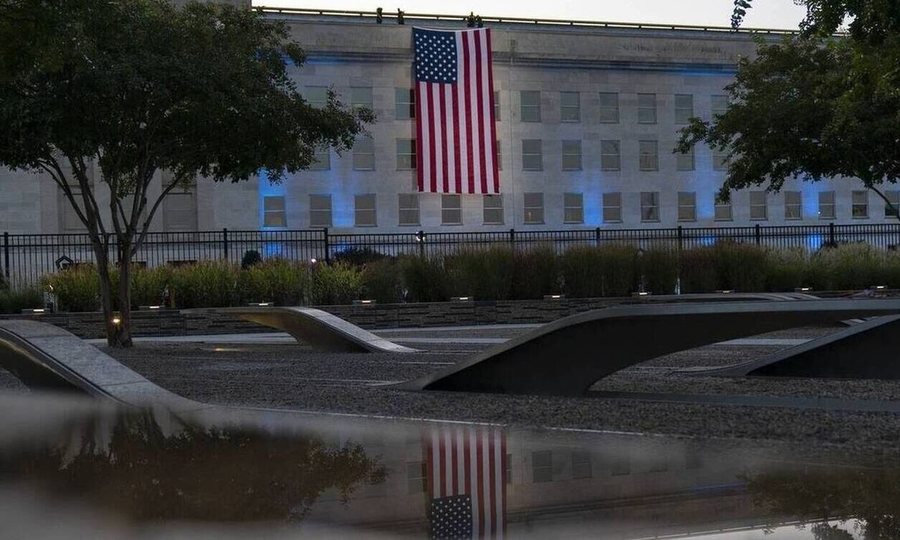
The memorandum bore the "fingerprints" of the Heritage Foundation, including "several passages that are almost verbatim repetitions of text published by the think tank last year," even though Trump denounced the manifesto during his campaign...
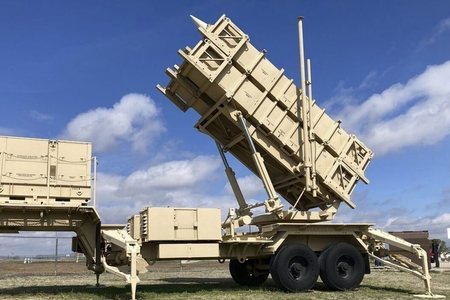
The United States is unlikely to help Europe in the event of a Russian attack, a leaked Pentagon document has revealed, according to the Washington Post.
The "Interim National Defense Strategic Guidance" document says the US will support Europe against Russia with its massive nuclear deterrent capabilities, but allies must account for their own troops for defense.
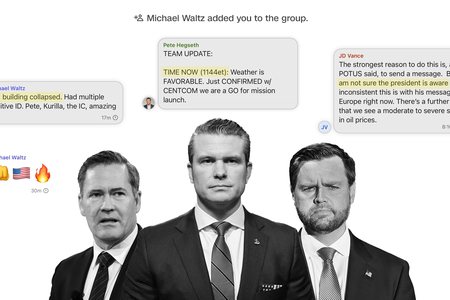
The stance echoes recent calls from Hegseth and senior government officials for European allies to do more to invest in their defense and reduce dependence on the United States.
The guidance document argues for the importance of recalibrating China's military focus, fearing a potential conflict in the Pacific over Taiwan, which is considered geostrategically important and critical to its specialized industrial production.
The harsh admission for Europe comes despite existing NATO commitments that oblige members to help each other in times of need - only previously called upon by the US after the September 11 attacks and met with a major European response.
The document outlines the Trump administration's reorientation toward China and away from "other theaters," the newspaper reports.
The Washington Post reported that the memo bore the "fingerprints" of the Heritage Foundation, including "several passages that are almost verbatim repetitions of text published by the think tank last year."
Trump denounced the Heritage Project 2025 manifesto during his campaign, but the newspaper found striking similarities between the guidance and a 2024 report from the foundation.
The document consolidates recent comments by administration officials that the US will pressure allies in Europe, the Middle East and East Asia to make larger increases in defense spending, reducing dependence on the United States.
Therefore, America's allies around the world will be encouraged to lead in deterring aggression from Russia, North Korea, and Iran.
The Pentagon is also expected to prioritize against militant groups in the Middle East and Africa that are "regionally destabilizing" but do not carry out international attacks.
The message strikes a tone of concern, with the US playing a central role in supporting the security of maritime trade and working with international partners to help defuse regional conflicts. Compounding the humanitarian consequences, the US and Britain recently pledged to reduce foreign aid.
European officials warn that they are currently unprepared to deal with a Russian invasion if Putin continues beyond Ukraine.
Speaking to BBC Radio 4, Germany's top general warned that Putin could attack NATO territory in just four years. Carsten Breuer said 100,000 extra soldiers would be needed to ensure the country's ability to defend itself.
Germany and Poland are expected to be among the countries leading Europe's efforts to strengthen continental security and have been tasked by NATO with providing the bulk of the ground forces that would act as first responders to any Russian attack on the alliance's eastern flank.
Poland is already well ahead of its European counterparts in terms of defense spending, announcing an increase of up to 4.7% of GDP for defense this year.
Last year, German media revealed that the nation would become a NATO base if the conflict escalated eastward.
According to a leaked 1,000-page document titled "Germany's Operational Plan," the country is said to be hosting hundreds of thousands of troops from NATO countries and serving as a logistics hub for sending large amounts of military equipment, food and medicine to the front.
A Der Spiegel report in the summer said that up to 800,000 soldiers from the security bloc could be sheltered by Germany as they move to positions further east. /Adapted from Pamphlet/



Lini një Përgjigje