


 Shkruar nga Pamfleti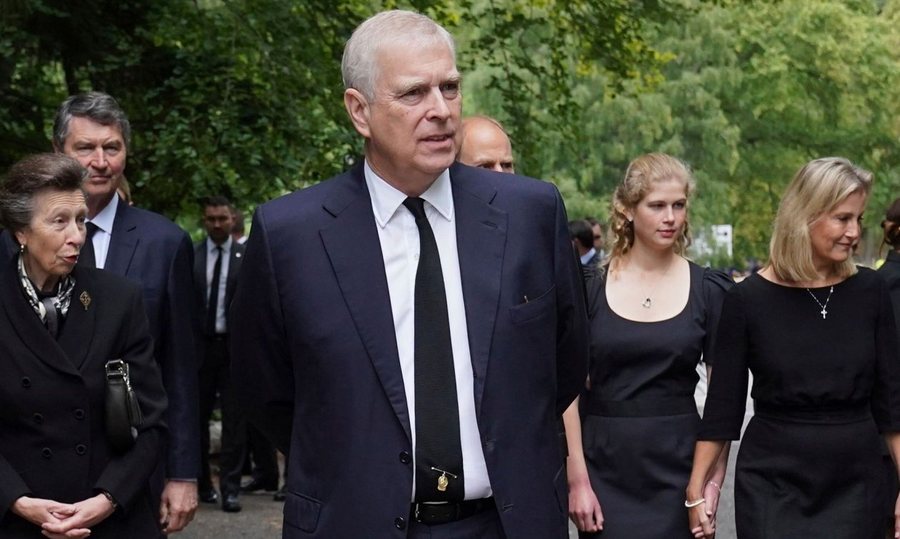
New information has emerged about Prince Andrew's involvement with a suspected Chinese spy.
The classified documents detail how the prince's former adviser Dominic Hampshire saw Yang Tengbo as Andrew's "only light at the end of the tunnel" after his disastrous Newsnight interview in 2019, in which his friendship with convicted sex offender Jeffrey Epstein was investigated and is said to have caused irreparable damage.
The documents also reveal details of Prince Andrew's "channel of communication" with Chinese President Xi Jinping - including sending an annual birthday letter - and how MI5 intervened to prevent contact between Andrew and the suspected spy.
But the witness statement insisted there was "nothing to hide" in those exchanges - and they contained "nothing of a secret level", they were birthday greetings.
According to Hampshire's statement, the prince's "communication channel" with the Chinese president was primarily used to promote his new business venture Pitch@Palace in China.
But also today, King Charles is implicated in the Chinese espionage scandal, as new court documents alleged that he was personally informed about an investment fund involving the suspected agent.
Hampshire, the Duke and the King discussed "what the Duke can do to move forward in a way acceptable to Her Majesty" after his business opportunities dried up following revelations about his relationship with billionaire American paedophile Jeffrey Epstein.
He described Andrew as a “valuable point of contact with China” - although the document reveals Hampshire believed “China would prefer another royal family”.
The Chinese businessman has lived in the UK since 2002 and appealed to the Special Immigration Appeals Board over a decision to bar him from entering Britain amid allegations that he spied for the Chinese Communist Party (CCP).
In December, the Special Immigration Appeals Commission (Siac) said Young had established an "unusual degree of trust" with the prince.
It found that Yang had failed to disclose his links to a wing of the Chinese Communist Party (CCP), which is involved in covert "political interference".
This term is used for suspected Chinese state agents who use their position to covertly influence key decision-makers in the British state, including politicians, academics and business leaders.
These agents aim to subtly and slowly make key figures receptive to the PKK's goals in a long-term operation often referred to as "elite capture."




Lini një Përgjigje