


 Shkruar nga Scott Lincicome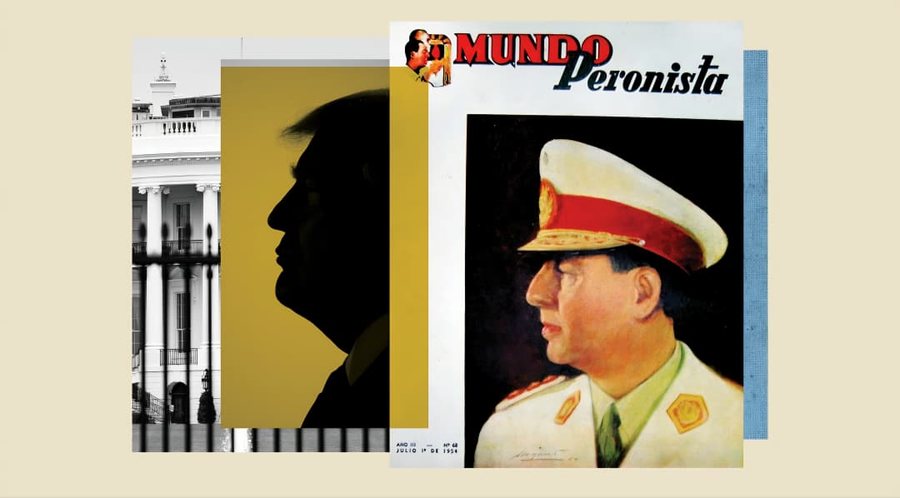
Peronism created vested interests, companies, cronies, unions, government officials, and others, that became dependent on the state and successfully resisted systemic reforms for decades. Trump is creating a similar dynamic today.
When populist strongman Juan Perón ran Argentina’s economy from his presidential palace in the mid-20th century — personally deciding which companies received favors, which industries were nationalized or protected, and which businessmen benefited from state largesse — economists warned that the experiment would end badly. They were right. During the decades of rule by Perón and his successors, a country that had once been among the world’s richest became a global laughingstock, with runaway inflation, persistent fiscal crises, widespread corruption, and devastating poverty. Peronism became a cautionary tale of how not to run an economy.
President Donald Trump appears to have misunderstood the lesson. His second term has begun to follow the Peronist playbook of import substitution, emergency declarations, personal deal-making, fiscal and monetary recklessness, and unprecedented government control over private enterprise. And, as with Argentina’s Peronism, much of the U.S. economic policymaking passes directly through the president himself.
Trump’s leanings toward Peronist politics are strongest on trade. At the heart of Perón’s economic vision was a strategy of “import substitution industrialization,” or ISI, that used tariffs, quotas, subsidies, localization mandates, and similar policies to induce Argentines to produce domestically what they had previously imported more cheaply from abroad. The approach was intended to spur domestic growth, but instead created isolated, uncompetitive manufacturing industries burdened with high production costs, bloated finances, and rampant nepotism. Ironically, it also destroyed Argentina’s globally competitive agricultural sector by diverting resources away from it and toward protected industries. Argentine consumers suffered from higher prices, unavailability of products, and lower living standards overall.
One of the most notorious examples of the ISI’s failure was when the government of Peronist President Cristina Kirchner tried to incubate a local electronics industry through strict restrictions on imported televisions and smartphones. The result was disastrous. Popular items like iPhones were simply unavailable, forcing Argentines to turn to local black markets or shop abroad.
Trump’s second term is following the ISI playbook in some respects, in some cases even more so than Argentina. According to the World Bank, for example, Argentina’s average tariff rate has fluctuated between 10 and 16 percent since 1992, while the Yale Budget Lab estimates that the United States’ is now over 18 percent and could rise in the coming months. “National security” tariffs on Trump’s favored industries, including steel, aluminum, copper, and automotive goods, reach 50 percent, far higher than the 35 percent tariff that Argentina once applied to smartphones. And with U.S.-imposed tariffs varying by product, country, and content, what was once a relatively simple tariff system has been replaced by a maze of overlapping requirements that even large, sophisticated U.S. importers have difficulty navigating.
Trump’s Peronist tactics extend beyond import substitution. Perón, for example, nationalized entire industries—railroads, airlines, telecommunications, utilities—creating chronically loss-making state-owned enterprises that lasted for decades. Trump has not gone that far, but he is exercising a surprising degree of government control over the commercial operations of private companies. The Trump administration forced Japan’s Nippon Steel to give the US president a “golden share” in US Steel in order to buy it, and demanded that US semiconductor firms AMD and Nvidia give the government a 15 percent share of their sales to China in exchange for export approvals. The administration also took a 15 percent stake in rare earth miner MP Materials and a 10 percent stake in Intel, in each case making Uncle Sam the company’s largest shareholder.
These are not temporary crisis measures, like the bailouts of U.S. banks and automakers or the wartime acquisitions of decades past. They are permanent agreements that give the government significant influence over private transactions and decisions. And various administration officials, as well as Trump himself, have promised more of these deals in technology, defense and other industries.
Trump has also flirted with Peronism in fiscal and monetary policy. Perón took control of Argentina’s central bank and used expansionary monetary policy to finance massive government spending and deficits, which led to chronic inflation. Trump, for his part, has already added trillions of dollars in new U.S. debt through the One Bill Beautiful Act, while also seeking to destroy the independence of the Federal Reserve in order to enact expansionary U.S. monetary policy in the face of still-sizzling inflation.
Ndoshta tipari më peronist i presidentit është mënyra se si ai i zbaton politikat e tij. Peronistët, për shembull, fituan dhe më pas përdorën në mënyrë rutinore fuqi të gjera "emergjente" për të zbatuar politikat e tyre ekonomike statiste shpejt dhe në mënyrë të njëanshme. Trump ka shpallur në mënyrë të ngjashme emergjenca të shumta kombëtare për të justifikuar vendosjen e tij të shpejtë të tarifave globale, si dhe ndëshkime shtesë për Kinën, Indinë dhe Brazilin, sipas Aktit Ndërkombëtar të Fuqive Ekonomike të Emergjencës. Nëse Gjykata Supreme vendos që këto lëvizje "emergjente" janë të ligjshme, Trump do të ketë në fakt fuqi të pakufizuar mbi tarifat dhe tregtinë - një zgjerim i habitshëm i autoritetit ekzekutiv dhe një shmangie nga ndarja e pushteteve të Kushtetutës sonë.
Perón nuk përcaktoi vetëm politika të gjera ekonomike - ai personalisht vendosi se cilat kompani do të kishin sukses ose do të dështonin, cilët sektorë do të merrnin mbështetje qeveritare, kush do të kishte akses në valutë të huaj dhe më shumë. Mandati i dytë i Trump paraqet një qasje të ngjashme, me preferencat, interesat dhe lidhjet personale të vetë Trump që nxisin hartimin e politikave të SHBA-së. Drejtori ekzekutiv i Apple, Tim Cook, kaloi nëpër Zyrën Ovale për të siguruar përjashtime nga tarifat për telefonat inteligjentë dhe produktet Apple. Bordi i drejtorëve të Intel pranoi ta bënte qeverinë amerikane aksionare vetëm pasi Trump kërkoi që drejtori ekzekutiv i kompanisë të jepte dorëheqjen me një pretekst tjetër, duke e detyruar atë të shkonte në Shtëpinë e Bardhë dhe të kërkonte mbështetje. Trump negocioi personalisht marrëveshjen me Nvidia me drejtorin ekzekutiv të saj, Jensen Huang. Dhe ai ka kërcënuar vazhdimisht korporatat, përfshirë Amazon dhe prodhuesit amerikanë të makinave, që guxuan të merrnin në konsideratë rritjen e çmimeve të nxitura nga tarifat.
Mandati i parë i Trumpit paraqiti një regjim tregtar që ishte të paktën i hapur dhe transparent. Këtë herë, marrëveshjet po bëhen pas dyerve të mbyllura dhe trajtimi i veçantë po fitohet nga lidhjet dhe pushteti politik. Ata që nuk dëgjohen nga presidenti nuk kanë asnjë shans. Centralizimi i vendimmarrjes ekonomike është padyshim peronist: shpërblimi i miqve dhe ndëshkimi i armiqve përmes pushtetit shtetëror.
Trumpizmi nuk është ende Peronizëm i plotë. Për fat të mirë, pjesë të mëdha të ekonomisë amerikane mbeten jashtë shënjestrës dhe kontrollit të presidentit. Por çdo deklaratë emergjence, favorizim i Zyrës Ovale dhe ndërhyrje presidenciale në ndërmarrjet private na afron më shumë me modelin argjentinas dhe do ta bëjë më të vështirë kthimin e kursit.
Peronism created vested interests, companies, cronies, unions, government officials, and others, that became dependent on the state and successfully resisted systemic reforms for decades. Trump is creating a similar dynamic today. Companies are making billion-dollar investment decisions based on secret deals, one-sided policies, and personal promises. Highly publicized exemptions, stock splits, and special favors are encouraging other private parties to seek similar treatment and are giving government officials more reason and precedent to intervene further. Add to that the tens of billions of dollars in tariff revenue that the government will get used to, and the dangers of territorial consolidation are clear.
When a nation’s economic policy depends on whims and personal relationships rather than on stable rules that apply equally to all, it has abandoned market capitalism. It took Argentina almost 80 years to begin to turn around. Let’s hope the United States moves faster. / Adapted from “Pamphlet” by The Atlantic



Lini një Përgjigje