


 Shkruar nga Pamfleti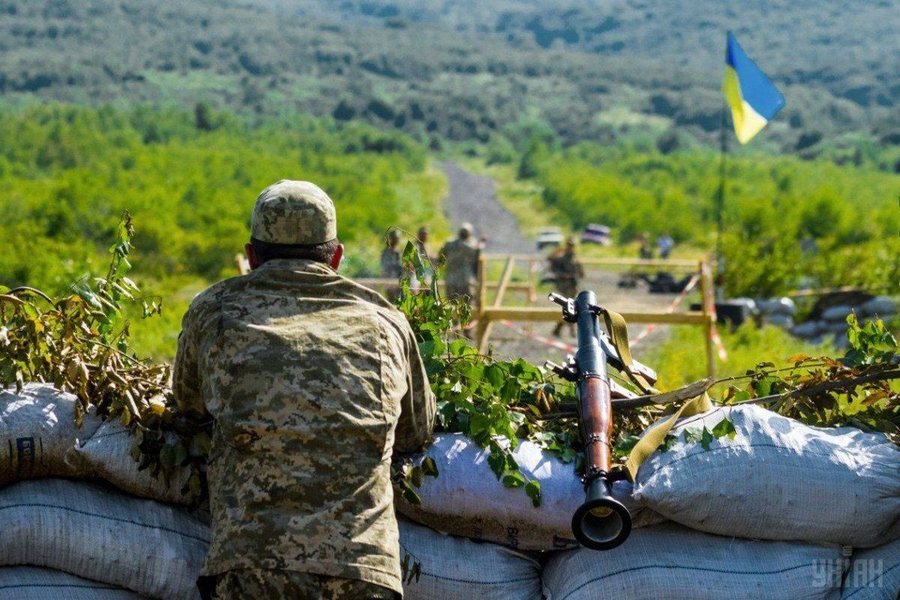
Putin's ambition for 'Greater Russia' collides with the wall of Donbass...
As negotiations for a possible peace deal in Ukraine intensify, the main attention is focused on the Donbas region – Donetsk and Luhansk, the former industrial zone of the Soviet Union, with coal mines, steel plants, fertile land and access to the Sea of Azov.
Historically, Donbass has been the most “Russian” part of Ukraine, with a large Russian-speaking minority and often in conflict with the Kiev government. After the annexation of Crimea in 2014, an uprising by pro-Russian militias, backed by Moscow’s tanks, erupted here, leading to bloody fighting and over 14,000 deaths. More than 1.5 million Ukrainians fled the region, while Russia distributed passports to hundreds of thousands of residents under separatist control.
In February 2022, one day before the full invasion, Vladimir Putin recognized Donetsk and Luhansk as independent states and then formally annexed them, along with Zaporizhzhia and Kherson, through rigged and illegal referendums. For the Kremlin, withdrawing from these territories declared “Russian holy land” is much more difficult than previous withdrawals from northern Ukraine.
Today, Russia controls almost all of Luhansk and over 70% of Donetsk, but key industrial cities such as Sloviansk, Kramatorsk, and Kostiantynivka remain “fortresses” of Ukrainian defense. For President Zelensky, handing over these lands would be political suicide and a violation of the constitution, as over 75% of Ukrainians reject any territorial compromise.
For Europe, accepting an agreement that legitimizes Russian annexation would mean overthrowing a fundamental principle of international order: aggression cannot be rewarded with territory. Donbass thus remains not only the epicenter of Putin's ambitions, but also the greatest test of the West's determination to defend sovereignty and the rules of the international game. /Adapted from "CNN"



Lini një Përgjigje