


 Shkruar nga Pamfleti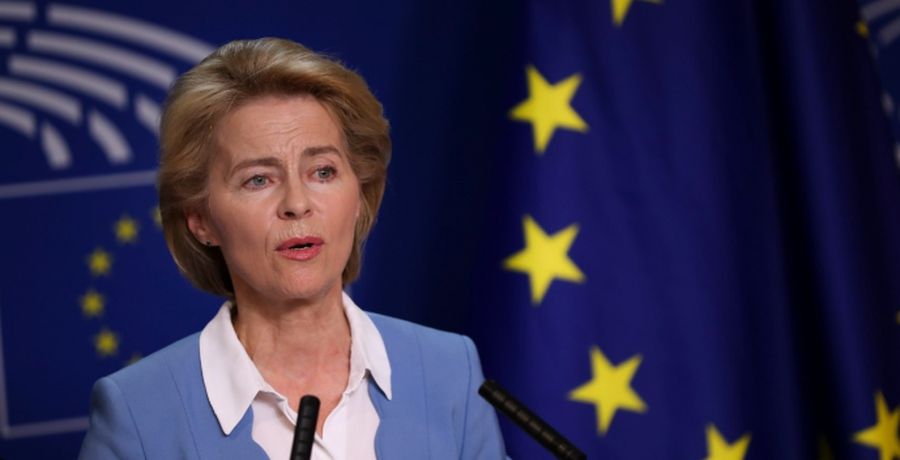
The head of the EU Commission Ursula von der Leyen reconfirmed today that the EU will continue to provide humanitarian aid to Palestine. Ahead of the weekly reunion of EU commissioners, senior officials of the EU's executive body commemorated the victims of the attacks in Israel with a minute's silence, in the presence of Israel's ambassador to the EU, Haim Regev.
" Our humanitarian support for the Palestinian people is not in question ," von der Leyen asserted.
She explained that the European Commission will "carefully review" the bloc's financial aid to Palestine as it "has never and will never go to Hamas or any terrorist entity".
Her comments came after EU Commissioner Oliver Varhelyi announced earlier this week the suspension of EU funding to Palestine, an announcement that the EU's executive body later had to oppose.
She called the attacks "a tragedy for Israel, for the Jewish people and also for Europe," assuring Israel of the EU's support.
"This has nothing to do with the legitimate aspirations of the Palestinian people. The terror unleashed by Hamas will bring more suffering to innocent Palestinians ," von der Leyen asserted.
She added that EU diplomacy should work against the destabilizing effects of the events and their "huge impact on the region" and support "the continued rapprochement between Israel and its Arab neighbours".
The bloc will also "closely monitor Iran's stance, given its long-standing support for Hamas," she added. Von der Leyen made no comment on the worsening humanitarian situation in Gaza, after Israel announced a total blockade of the region and carried out hundreds of deadly airstrikes since Saturday.
The United Nations Relief and Works Agency for Palestine Refugees (UNRWA) has warned that the Gaza Strip will face a humanitarian catastrophe if safe corridors remain closed to aid.
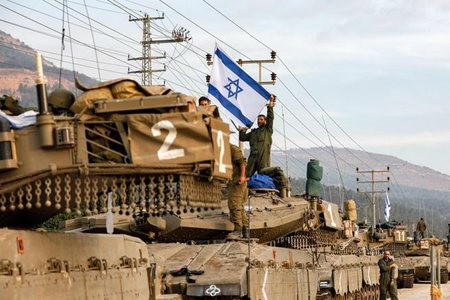
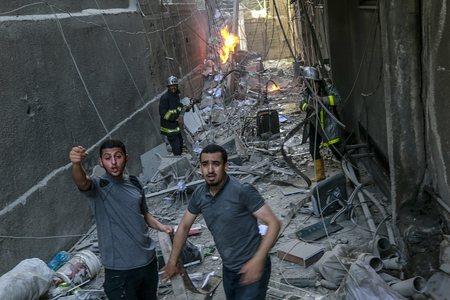
In a dramatic escalation of tensions in the Middle East, Israeli forces have launched a sustained and powerful military campaign against the Gaza Strip, in response to a military offensive by the Palestinian group Hamas in Israeli territories.
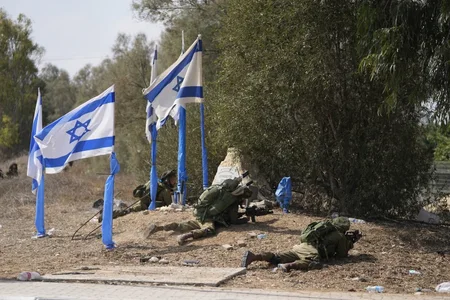
The conflict began on Saturday when Hamas launched Operation Al-Aqsa Storm against Israel, a surprise, multi-pronged attack including a barrage of rockets and infiltrations into Israel by land, sea and air, which Hamas said was in retaliation for raids by Israel at the Al-Aqsa Mosque in occupied East Jerusalem and the growing Israeli settler violence against Palestinians.
In response to Hamas' actions, the Israeli military launched Operation Iron Swords against Hamas targets inside the Gaza Strip. Israel's response has extended to cutting off water and electricity supplies to Gaza, further worsening living conditions in an area that has been gripped by a crippling siege since 2007. At least 1,200 Israelis and 900 Palestinians have been killed since the beginning of the conflict.


Lini një Përgjigje