


 Shkruar nga Stephen Bryen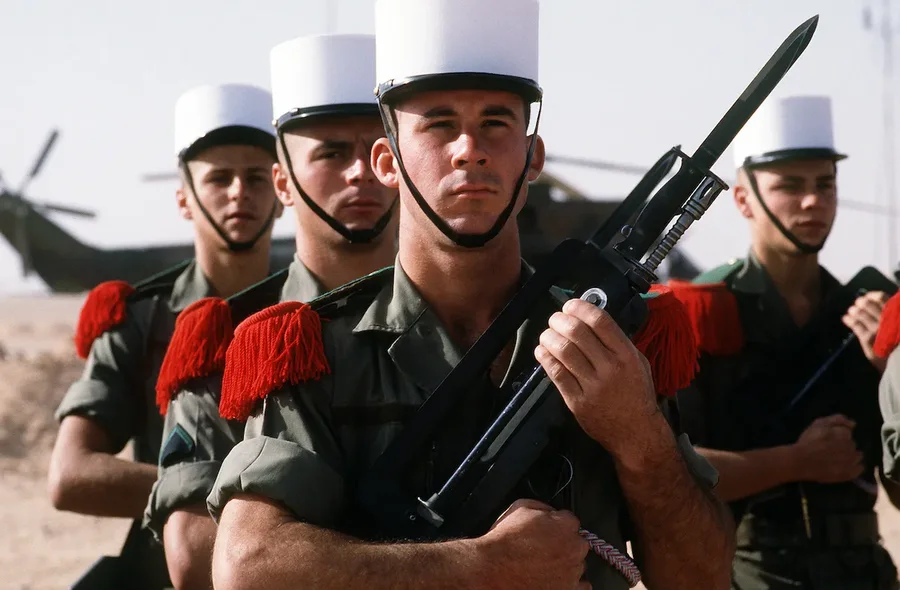
As for what Russia will do in response to the action of Paris, this is not certain...
France has officially sent its first troops to Ukraine. They are deployed in support of the 54th Ukrainian Mechanized Brigade in Slavyansk. French soldiers are drawn from the 3rd Infantry Regiment of the French Army, which is one of the main elements of the French Foreign Legion (Légion étrangère).
In 2022, France had a number of Ukrainians and Russians in the Foreign Legion. They were allowed to leave the Legion, and in the case of Ukrainians, to return to Ukraine to join the Ukrainian forces. Meanwhile, it is not clear whether the Russians returned home.
Today the Legion is led by French officers, but the other officers and recruits are all foreigners. Under conditions of anonymity, a volunteer who joins the Legion can decide whether to keep his name or take on a new one. Legionnaires serve for 3 years, after which they can apply for French citizenship.
If a legionnaire is wounded, he is entitled to French citizenship without any waiting period. There are no women in this elite unit. Troops of the Third Infantry Regiment of the French Foreign Legion in Africa, the initial group of French troops to go to Ukraine, numbers about 100 people.
This is only the first group of about 1,500 French Foreign Legion soldiers who are supposed to be sent to Ukraine. These troops are being deployed directly into a hot combat zone, and are intended to help Ukrainians resist Russian advances in the Donbass region.
The first 100 troops are artillery and observation specialists. For months, French President Emmanuel Macron has threatened to send French troops to Ukraine. He has found little or no support from NATO countries, with the exception of Poland and the Baltic states.
It is suspected that the US also opposes sending NATO soldiers to Ukraine (except as advisors). One of the questions that should immediately arise from Paris's decision to send soldiers from the third infantry regiment is: Does this cross Russia's "red line" for NATO involvement in Ukraine?
Will the Russians see this act as the start of a wider war beyond Ukraine's borders?
France itself does not have many troops to deploy to the Ukrainian battle lines, unless the French government wants it to do so. According to current reports, France cannot currently support an overseas deployment of a full division, and will not have this capability until 2027.
Vendimi për të dërguar legjionarët e huaj, është në vetvete një kompromis i veçantë. Pra Franca nuk po vendos ushtrinë e saj kombëtare, dhe përveç një numri të vogël oficerësh, burrat e dërguar nuk janë shtetas francezë. Vendimi i Francës për këtë lëvizje ka dy kuptime, përtej atij të dukshëm që lidhet me rrezikun e nxitjes së një lufte mbarë-evropiane.
Së pari, kjo i jep mundësi Macron-it të dërgojë trupa në Ukrainë, dhe të duket si një udhëheqës i fortë, pa hasur shumë kundërshtime në vend. Kjo sepse nuk po dërgohet asnjë ushtar i ushtrisë franceze, dhe s’ka ndonjë rekrutim ose masa të tjera në vazhdim. Dhe kjo e zbeh zemërimin e mundshëm të kundërshtarëve politikë të Macron.
Arsyeja e dytë bazohet tek zemërimi i Macron nga dëbimi i trupave franceze, thuajse që të gjitha nga Legjioni i Huaj, nga Afrika Saheliane dhe zëvendësimi i tyre nga rusët. Kontrolli i Afrikës Frankofone, dhe pasuritë që ajo u ofron politikanëve francezë, është prishur nga revolta dhe revolucioni në Afrikë, dhe nga një anim vendimtar drejt Rusisë, qoftë drejtpërdrejt ose nëpërmjet Grupit Vagner, që tashmë është nën kontrollin e drejtpërdrejtë të Vladimir Putin.
Ky “poshtërim” ndihet shumë në Pallatin Elysee dhe veçanërisht nga Macron, të cilin kundërshtarët politikë e kritikojnë se ka shkaktuar rënien e ndikimit të Francës atje, dhe se ka dëmtuar minierat dhe interesat e biznesit të Francës jashtë shtetit. Dështimi më i madh është në Niger, një vend furnizues i rëndësishëm i Francës me uranium.
Franca e merr 70 për qind të energjisë elektrike nga gjeneratorët e energjisë bërthamore. Furnizimet globale të uraniumit po pakësohen, ndërsa çmimet po rriten. Dhe teksa Rusia dhe Kazakistani, së bashku me Nigerin, janë vendet kryesore eksportuese të uraniumit për reaktorët bërthamorë, Franca ka një problem të sigurisë ekonomike të brendshme. Vendimi i SHBA-së për të ndaluar tregtimin e uraniumin rus vitet e ardhshme, mund t’i shkaktojë një goditje të rëndë Francës dhe Shteteve të Bashkuara, duke i ndërprerë tërësisht furnizimet. Duke pasur parasysh rrezikun e humbjes së qasjes tek uraniumi, ose të paktën tek një sasi e mjaftueshme për të furnizuar reaktorët bërthamorë të Francës, Macron duhet të shpresojë se dislokimet e trupave të tij në Ukrainë, nuk do të shkaktojnë një embargo të Rusisë për eksportet e uraniumit drejt Francës.
Nga ana tjetër, mbetet e paqartë se si legjionarët mund t'i ndihmojnë ukrainasit. Këta të fundit dinë se si të përdorin artilerinë dhe kanë një mbështetje të sofistikuar nga shërbimet sekrete perëndimore. Gjithsesi, çështja e Ukrainës nuk ka të bëjë me mënyrën se si përdoret artileria, por nga supozohet të vijë municioni.
Ukraine continues to complain that it lacks adequate supplies of 155mm cannons. The decision to deploy Foreign Legion soldiers to Slavyansk is highly provocative and contradicts statements from Paris, including Macron's, that if France were to send troops, they would only replace Ukrainian army units in Western Ukraine. , which may be able to move east to fight on the front line against the Russians.
While Slavyansk is itself on the front line, France's promise of a rear deployment is de facto turning into a direct war with Russia. Here the main question is how NATO will react to the decision of Paris for this deployment of troops at the front.
While France is acting alone and without NATO support, the French cannot seek NATO support under Article 5 of the alliance's founding treaty, which refers to collective security. In the event that the Russians attack French troops outside Ukraine, this would be justified because France has willingly decided to be a party to the war, and reference to Article 5 of NATO would be difficult if not impossible.
Of course, the various alliance members could support the French, either by sending their own forces or supporting them with logistics and communications. For example, there is no way Foreign Legion soldiers can enter Ukraine without going through Poland.
Will the Russians see this as evidence that they are at war with both France and Poland? Right now, no one can answer any of these questions with certainty.
But it is not very likely that the Russians will tolerate for a long time a gathering of French army troops, even if these are soldiers of the famous Foreign Legion. As for what Russia will do in response to the action of Paris, this is not certain./ Pamphlet adapted from "Asia Times"
Note: Stephen Bryen, served as staff director on the Subcommittee on the Middle East in the US Senate


Lini një Përgjigje