


 Shkruar nga Pamfleti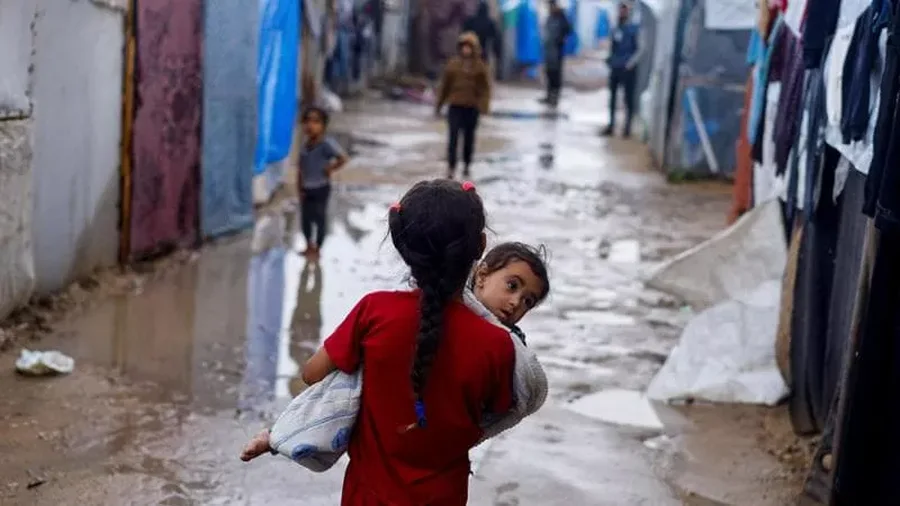
The Israeli army has ordered the partial evacuation of Rafah, currently limited to a part of the Palestinian city. It is the beginning of an attack with potentially catastrophic consequences. The jump back in negotiations between Israel and Hamas - which broke off yesterday in Cairo without being able to resolve the knots of a deal considered close, but which are due to resume tomorrow with the return of the Palestinian delegation to Egypt - this morning resulted in implementation. of Israeli Prime Minister Netanyahu's openly expressed willingness to continue with the attack on Rafah and to do so regardless of a possible ceasefire.
The prime minister's words were evaluated as an open attempt to torpedo the negotiations not only by Hamas but also by the Israeli opposition, by the families of the hostages and by the protesters who took to the streets dozens of times to demand an agreement for him. be signed immediately which would save the abductee's life.
Military radio began screeching this morning in Gaza urging the population to evacuate the area of the southern eastern neighborhood of Rafah, where the armed forces estimate the presence of a hundred thousand Palestinians. With a bombardment of threatening messages via mobile phone messages, leaflets, phone calls and calls in Arabic, the armed forces are asking the population to move to a new "humanitarian" zone in al-Mawasi, some areas of Khan Yunis and the center of the Belt.
"The IDF will continue to work to achieve its war objectives, including the dismantling of Hamas and the return of all hostages," he announced shortly before dropping thousands of leaflets in Rafah, warning the population that the army would act with "extreme force". in the evacuated areas and that "anyone close to the terrorists puts his life and that of his family at risk". Escaping the thought of returning to Gaza City is impossible: it is still a "dangerous war zone," the IDF warned.
Witnesses on the ground told agencies that some families have already started to move. According to some commentators, these military maneuvers are not intended to precede an actual full-scale attack at the moment, but are a further move by the government to pressure Hamas to close the deal on negotiations on Israel's terms, without insisted on seeking guarantees that go beyond the temporary ceasefire in the first phase of the process. According to these theses, any progress in the negotiations could avoid the attack.
The evacuation is the first phase agreed with the United States as a priority before a possible attack, which the United States has actively sought to avoid by saying it is against it, suggesting "other ways to fight Hamas." , but without openly asking her ally not to continue. However, they repeatedly urged him not to attack without first securing civilians by evacuating them and increasing aid. It is the same attitude that was repeated during the night by the American Secretary of Defense, Lloyd Austin, who was informed last night by the war cabinet about the decision to start the evacuation.
Defense Minister Yoav Gallant informed him of the death of three Israeli soldiers and the wounding of ten others, hit by mortar shells fired by Hamas against the Kerem Shalom crossing; and told him that Hamas rejects any proposed deal, despite his government's efforts, and that it therefore had "no choice but to launch the operation in Rafah". Austin would have reiterated the "unconditional support" of the United States, once again underlining that a military operation in Rafah must include a "credible plan to evacuate Palestinian civilians and maintain the flow of humanitarian aid," without categorically opposed the attack.








Lini një Përgjigje