


 Shkruar nga Pamfleti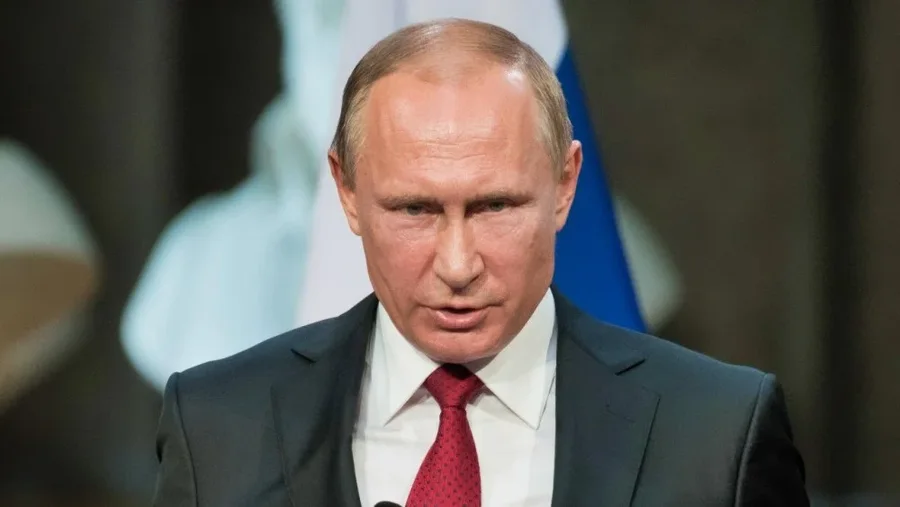
Just a few months shy of a quarter of a century as Russia's leader, Vladimir Putin will lay his hand on a copy of the Constitution on Tuesday, May 7, and begin another six-year term as president with extraordinary powers.
Since becoming acting president on the last day of 1999, Putin has shaped Russia into a monolith — suppressing political opposition, driving independent journalists from the state, and promoting a growing commitment to "traditional values" that many members of society push them to the limit.
His influence is so dominant that other officials stayed out of the decision-making when he decided to go to war against Ukraine, despite expectations that an invasion of the neighboring country would bring international scorn and harsh economic sanctions, and that Russia would pay a heavy price. with the blood of its soldiers.
With this level of power, what Putin will do with his new mandate is the most important question being asked inside Russia and abroad.
The war in Ukraine, where Russia is making progress on the battlefield, is the main concern, and Putin is showing no sign of changing direction.
"The war in Ukraine is at the heart of his current political project and I see nothing to suggest that will change. And that affects all the other things," Brian Taylor, professor at Syracuse University and author of the book "Putinism Code," told the Associated Press.
"It affects who is in what position, it affects the resources that are available and it affects the economy as well as the level of repression within the state," he added.
During his address to the nation in February, Putin vowed to meet Moscow's goals in Ukraine and do whatever is necessary "to protect our sovereignty and the security of our citizens." He claimed that the Russian army "has gained great combat experience" and "has the initiative and is conducting offensives in a number of sectors".
But the war has a high price and the money dedicated to the war could be spent on other projects within the state and on reforms in education, welfare and the fight against poverty, topics that Putin used as part of his two-hour speech and these problems he elaborated in detail.
Taylor suggested that such projects were included in Putin's speech only for "show", and they are not expected to be implemented.
Putin "thinks of himself in big historical terms of the Russian lands, returning Ukraine to where it belongs, so he has these kinds of ideas. And I think these ideas go beyond socioeconomic type programs," Taylor said.
Nëse lufta do të përfundonte me humbjen e plotë nga cilado palë, me Rusinë që do të mund të ruante një pjesë të territorit që ka pushtuar tashmë, vendet evropiane kanë frikë se Putini mund të inkurajohet drejt aventurizmit të mëtejmë ushtarak në Baltik apo në Poloni.
“Ka mundësi që Putini ka ambicie të mëdha dhe do të përpiqet që të ndjekë suksesin e kushtueshëm në Ukrainë, duke kryer një sulm të ri diku tjetër”, shkroi në revistën Foreign Policy, profesori i marrëdhënieve ndërkombëtare në Universitetin e Harvardit, Spehen Walt. “Por, është po ashtu plotësisht e mundshme që ambiciet e tij të mos shtrihen përtej asaj që Rusia ka fituar me një kosto të jashtëzakonshme dhe ai nuk ka nevojë apo dëshirë të rrezikojë më shumë”.
Por, Walt shtoi se “Rusia nuk të jetë në gjendje që të nisë luftëra të reja të agresionit kur më të fund të përfundojë lufta në Ukrainë”.
Por, një shqetësim i tillë racional të tjerët thonë se nuk mund të qëndrojë. Maksim Samorukov nga Qendra Carnegie për Rusi dhe Euroazi, tha se “e shtyrë nga tekat dhe mania e Putinit, Moska ka të ngjarë të kryejë veprime vetëshkatërruese”.
Në një koment për Foreign Affairs, Samorukov sugjeroi se mosha e Putinit mund të ndikojë në gjykimin e tij.
“Në moshën 71-vjeçare... ndërgjegjësimi i tij për vdekshmërinë e tij me siguri që ndikon në vendimmarrjen e tij. Një ndiejnë në rritje për kohën e tij të kufizuar, pa dyshim që kontribuoi në vendimin e tij fatal për ta pushtuar Ukrainën”.
Në përgjithësi, Putini mund të futet në mandatin e tij me një kontroll më të dobët ndaj pushtetit sesa duket që e ka.
“Dobësitë” e Rusisë “fshihen para syve. Tani më shumë se kurrë Kremlini merr vendime në një mënyrë të personalizuar dhe arbitrare”, shkroi Samorukov.
“Elita politike ruse është bërë më e durueshme në zbatimin e urdhrave të Putinit dhe është bërë më e bindur ndaj pikëpamjes së tij paranojake”, shkroi ai. Regjimi “është në rrezik të përhershëm që të rrënohet brenda natës, siç bëri paraardhësi i tij sovjetik tri dekada më parë”.
Putin sigurisht që do të vazhdojë armiqësinë e tij ndaj Perëndimit, për të cilin, gjatë fjalimit drejtuar kombit tha se “dëshiron t’i bëjë Rusisë të njëjtën gjë që ua ka bërë shumë rajoneve të tjera të botës, përfshirë Ukrainës: të përçajë vendin tonë, ta dobësojë nga brenda”.
Rezistenca e Putinit ndaj Perëndimit manifestohet jo vetëm me zemërimin për mbështetjen që Perëndimi i jep Ukrainës, por edhe për atë që udhëheqësi rus e sheh si minim të moralit të Rusisë.
Vitin e kaluar, Rusia ndaloi një “lëvizje” kombëtare LGBTQ+, duke deklaruar se kjo lëvizje ishte ekstremiste. Zyrtarët thanë se me ndalimin e “lëvizjes” ata po luftonin për vlerat tradicionale – sikurse ato që përkrahen nga Kisha Ortodokse Ruse – përballë ndikimit perëndimor. Gjykatat ruse po ashtu ndaluan ndryshimin e gjinisë.
"I expect the role of the Russian Orthodox Church to continue to be very visible," Taylor said. He also recalled the outrage that was caused after guests at a party organized by TV presenter Anastasia Ivleeva were asked to go "almost naked".
"Other actors in the system understand that these things resonate with Putin... There are people who are interested in exploiting these things," he said.
Although the opposition and independent media have all but disappeared due to the crackdown under Putin, there is still scope for further moves to control Russia's information space, including by pushing forward the Russian state's efforts to create a "sovereign internet".
Putin's inauguration as president will come two days before Victory Day, the most important secular holiday in Russia, which commemorates the occupation of Berlin by the Soviet Red Army in World War II and the extraordinary hardships of the war, in which the Soviet Union lost close to 20 million people.
The defeat of Nazi Germany is an integral part of Russia's modern identity and Putin's justification for the war in Ukraine, saying the two events were similar.


Lini një Përgjigje