


 Shkruar nga Alissa Pavia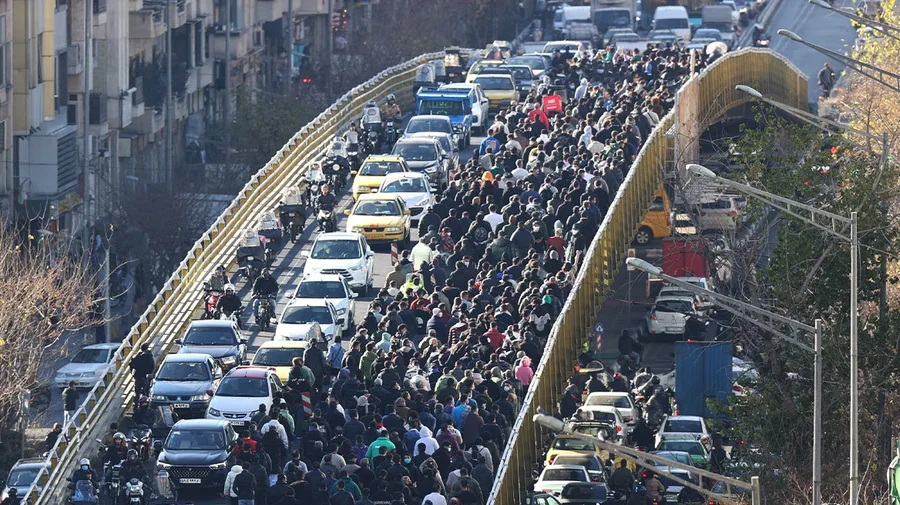
Protests have long been a defining feature of Iranian political life. Iranians regularly take to the streets, demanding a better quality of life, economic reform, and an improvement in their social condition. These protests often turn bloody, with thousands of citizens being beaten, tortured, or killed. Yet Iranians have persevered, showing a determination that demonstrates extraordinary courage.
Economic grievances are the main cause of the current wave of unrest. Since the end of the 12-day war between Iran and Israel in June 2025, Iran's economy has been struggling, with the local currency in free fall (the rial has lost more than 40% of its value) and inflation skyrocketing. Shopkeepers and traders are at the forefront of the protest movement, given that importing goods is becoming almost impossible with the rial's decline.
According to Jonathan Panikoff, director of the Scowcroft Initiative on Middle East Security at the Atlantic Council, what is different about these protests is that we are “seeing them come together at a time when the Iranian regime is already under much greater pressure than it was a few years ago, in relation to the Mahsa Amini protests.”
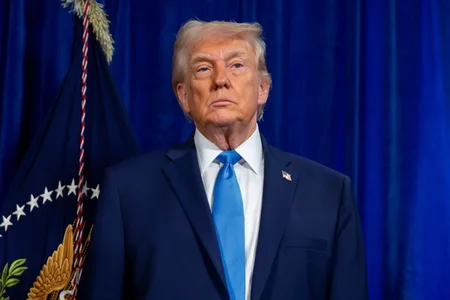
Iran's current weakness has not gone unnoticed in Washington or Jerusalem. Both the United States and Israel have long viewed Iran's leadership as a destabilizing force in the region. President Donald Trump has made clear his willingness to intervene militarily, suggesting he intends to "come to the aid [of the protesters]" if the regime escalates its killing of unarmed civilians.
However, the US has a range of options for what to do next that do not involve military action. These include blocking Iranian oil exports and pursuing sanctions proposals, such as the Mahsa Amini Act, which would mandate sanctions on individuals involved in human rights abuses. The objectives, at least as far as the US is concerned, may be less about regime collapse and more about pressuring Iran to the negotiating table.
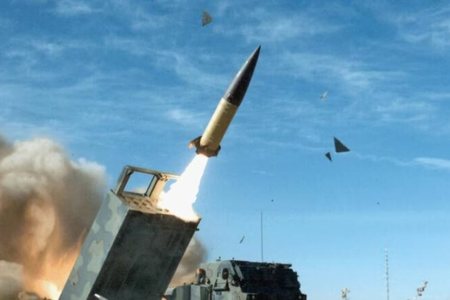
Israel's intentions were clearly laid out in the recent Mar-a-Lago meeting between Trump and Israeli Prime Minister Benjamin Netanyahu. Netanyahu put the issue of Iran at the top of the agenda, pushing Trump to support new military action against Iran's ballistic missile program.
However, coercion does not serve the same purpose for Washington and Jerusalem. “Trump probably believes that coercion can be used for negotiations if he chooses to do so, while Netanyahu probably believes that coercion can be used to attempt to further destabilize the regime in the hope that this will ultimately result in the overthrow of the supreme leader,” Panikoff explained.
In fact, during his campaign and early in his presidency, Trump signaled a willingness to negotiate with Iran, arguing in September 2024 that a deal was necessary because the consequences of failure were “unimaginable.” After his election, he reportedly gave Supreme Leader Ali Khamenei a two-month deadline to reach a new nuclear deal.
The challenge, then, remains whether decisive action, whether military or economic, will lead to escalation or push Iran to negotiate.
"Right now, it's easy for Trump and Netanyahu to be united, but if Iran's ballistic missile capability grows again and there's a real concern about attacks happening, then whether they'll stay on the same page in the coming months is another matter."



Me kujtohet femija im kur ishte e vogel e si shume e llastuar i hipte ne maje te kokes griste, thyente e rrezonte gjithshka e gerthiste: "Rrumuje, rrumuje!" Keshtu na hipnontizonte e qeshnim me te e te nesermen bente me rrumuje. Ja ky ka qene, eshte e do te jete parimi i te perkedhelurve te fatit, rrumuje rrumuje. Fillozofia nuk u krijua nga Greket por ekzistonte qe te njeqelizoret.