


 Shkruar nga Pamfleti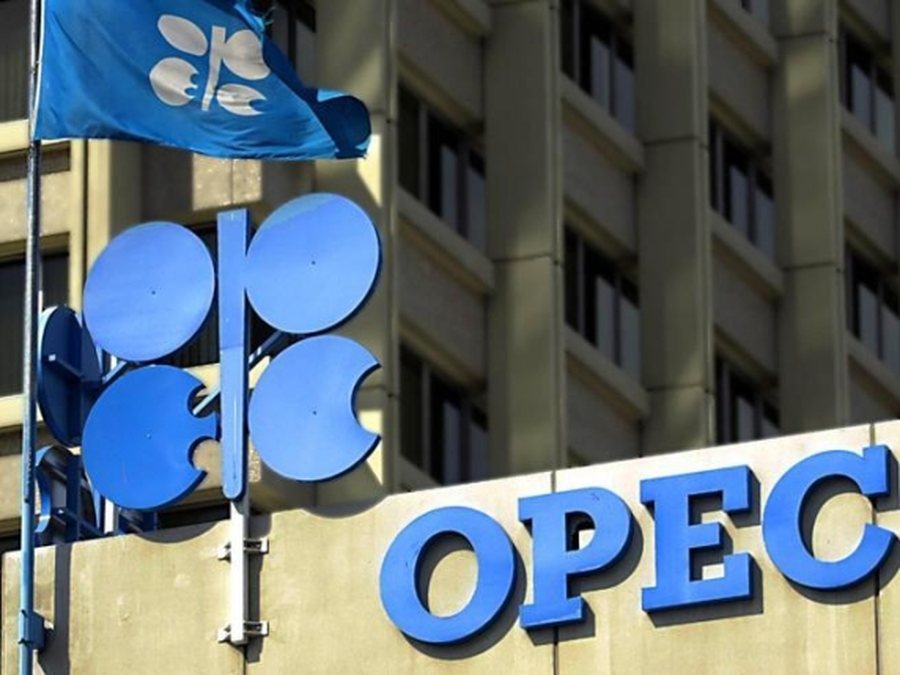
The decision can be read as a way to become autonomous and independently manage its own production capacity, which has increased significantly in recent years, at a time when the war with Iran has caused a historic energy shock.
The United Arab Emirates has announced its withdrawal, starting May 1, from OPEC and OPEC+, the organizations that bring together the main oil producing and exporting countries (OPEC+ also includes Russia among its members).
The surprise decision was prompted by the UAE's Energy Minister, Suhail Al Mazrouei, who declared that "the world will need more energy" and cited the expansion of data centers and artificial intelligence as drivers of demand. The UAE plans to gradually increase its crude oil production, state news agency WAM reported.
OPEC membership obliges participating countries to respect the organization's decisions regarding increasing or decreasing oil production. By leaving OPEC, Abu Dhabi - a member since 1967 - has a free hand to set its own oil export policy and can react more quickly to market volatility.
OPEC (Organization of the Petroleum Exporting Countries) is the organization of oil-exporting countries, founded in Baghdad in 1960. It is an intergovernmental organization that sets production policies among the world's main oil producers. It is headquartered in Vienna and sets export quotas for each member country by collective decision. By deciding whether to increase or decrease global supply, it affects the supply-demand ratio of oil and, consequently, its price. The member countries are Algeria, Saudi Arabia, Congo, United Arab Emirates, Gabon, Equatorial Guinea, Iran, Iraq, Kuwait, Libya, Nigeria and Venezuela. Angola left in 2024. OPEC+ includes the 12 OPEC countries plus 10 other producing countries, led by Russia and – as Salvatore Carollo, one of Italy's leading oil experts, explains – “it is not a formal organization, but implies only a voluntary and unstructured participation”.
Message to Trump
The decision can be read as a way to become autonomous and independently manage its production capacity, which has increased significantly in recent years, at a time when the war with Iran has caused a historic energy shock and destabilized the global economy. “Since OPEC’s weight has decreased and the role of the Emirates is only secondary compared to Saudi Arabia – comments Salvatore Carollo – with this move the Emirates have sent a warning signal to Iran about the possible dissolution of a common policy of the Gulf countries. And it could also be a message to Trump about the risk of the dissolution of any form of governance of the international oil market. These are indirect messages to Trump about the management of the world oil market and putting Brent and the dollar into question. I do not believe that this is a blow to Saudi Arabia, because the Emiratis and the Saudis usually always act in agreement.” / Corriere Della Sera




Lini një Përgjigje