


 Shkruar nga Pamfleti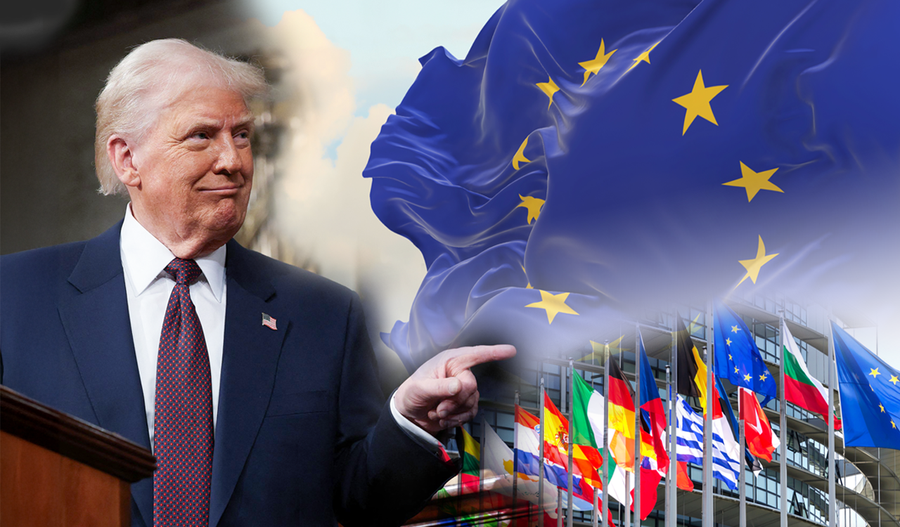
The White House "shook" relations with some of its closest trading partners.
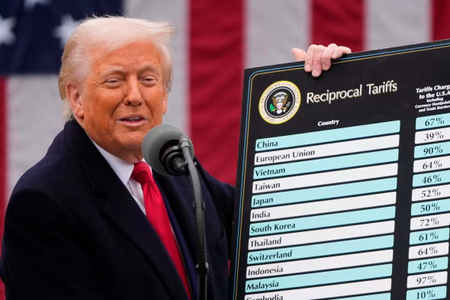
The EU, for example, will be subject to tariffs of 20%, while China is facing a cumulative increase of 54%.
And when President Donald Trump said that “all countries” would be subject to Emancipation Day, he meant it. Countries that have not been given a specified tariff are facing an immediate total tariff of 10%.
Immediately after Trump's decision, foreign leaders began formulating their responses.
Some, like British Prime Minister Keir Starmer, said they would remain calm, while European Commission President Ursula Von Der Leyen promised swift and sustained retaliation if deals could not be reached.
The ultimate question remains: Will President Trump's protectionist agenda pay off? Will he be able to make America rich again, as he says?
Or will he fall into a trap?
What is Trump's goal?
Treasury Secretary Scott Bessent presented the goals of Trump's tariff plan in his confirmation hearings.
Some relate directly to the people and businesses of America – for example, creating and protecting jobs in the U.S., increasing industrial capacity by making domestic products more competitive, and increasing income to finance investments for families and businesses.
Other objectives related to advancing America's position on the global stage – for example, reducing dependence on rival countries – especially when it comes to national security needs – as well as using economic sanctions to advance US security interests.
Of course, the first set of tariffs announced by Trump addressed none of these things: the tools were used as negotiating tools in a debate over immigration and the supply of fentanyl to the US.
Professor Brett House argues that there is another motive for Trump's action, illustrated by the fact that the White House has implemented individual and blanket tariffs.
He said: “The president likes to create a situation where other countries or individuals have to come and bargain with him. By imposing different tariffs by country, it creates a situation where each country has to pray and negotiate with the White House on an individual basis.”
“This is the essence of the kind of power that a bully and an autocrat tries to create by dividing people and ensuring that it is very difficult for them to come together and negotiate with one voice.”
Other economists have different views.
“Tariffs are mainly about eliminating dependence on the rest of the world,” explained Joao Gomes, senior vice dean for research at the Wharton School of Business at the University of Pennsylvania.
A është bërë diçka e tillë më parë?
Që ekonomistët të bëjnë krahasime mbi politikat e ngjashme nga Shtëpia e Bardhë, duhet të kthejnë kokën pas nga historia.
Në vitin 1930, ndërsa bota u zhyt në Depresionin e Madh, presidenti Hoover nënshkroi ligjin e Aktit të Tarifave Smoot-Hawley në një përpjekje për të mbrojtur bizneset dhe fermerët amerikanë që të mos dëmtoheshin nga produktet bujqësore më të lira të importuara nga jashtë.
Përpara Smoot-Hawley, tarifa mesatare e importit ishte afërsisht 35.7%, sipas llogaritjeve nga Douglas Irwin, profesor i ekonomisë në Universitetin Dartmouth, dhe u rrit në një mesatare prej 41.1% pas faturës.
Po kështu, Akti i Tarifave Fordney McCumber hyri në fuqi në vitin 1922 dhe rriti tarifat nga 21% në 38.8%.
Për krahasim, 10% që Trump ka vendosur në Mbretërinë e Bashkuar, për shembull, ose 20% e vendosur në BE duket relativisht më e përmbajtur.
Megjithatë, ekonomia ka ecur përpara në 100 vitet që nga ndryshimet e fundit të mëdha të tarifave – globalizimi ka vazhduar të rritet që atëherë dhe ekonomia e SHBA-së është e ndërthurur më ngushtë me shëndetin e partnerëve të saj.
Tarifat mund të jenë elemente të dobishme negociuese në kuptimin e negociatave dhe – në varësi – mund të prodhojnë disa përfitime ekonomike.
Profesori i makroekonomisë në Universitetin e Kembrixhit, Michael Kitson pranon se ai është në pakicën e kolegëve të tij kur thekson se tarifa e përgjithshme e vendosur nga Britania e Madhe në 1932 mund të ketë sjellë disa përfitime për ekonominë – ai tregon për një rritje të prodhimit midis 1932 dhe 1937, për shembull.
Sidoqoftë, detyrimi prej 10% që vendosi Britania e Madhe ishte shumë larg ndryshimeve gjithëpërfshirëse të bëra nga Trump, dhe Kitson thekson se kushtet që lejuan ndonjë përfitim për ekonominë e Mbretërisë së Bashkuar nuk janë të pranishme në Amerikën e vitit 2025.
Bëhet e ditur se këto “kushte të veçanta” përfshinin norma të larta papunësie (shkalla e papunësisë në SHBA aktualisht është e qëndrueshme 4.1%), tarifat u vendosën mbi importet konkurruese dhe jo importet komplementare si lëndët e para dhe ushqimet (presidenti Trump ka njoftuar tashmë një rritje prej 25% të aluminit dhe çelikut) dhe kursi i këmbimit nuk u lejua të rritej nga niveli i tarifave.
Dhe, më e rëndësishmja, nuk kishte shumë potencial për vendet e tjera për t’u hakmarrë (BE, për shembull, tani mund të shtonte një taksë për eksportet e shërbimeve amerikane, gjë që nuk ishte në gjendje ta bënte më parë).
“Shumica e këtyre kushteve nuk zbatohen për SHBA-në tani”, tha Kitson duke shtuar se jo vetëm që këto kushte nuk plotësohen, por ka faktorë të ndërlikuar që e shtyjnë ekonominë e SHBA edhe më larg nga suksesi i tarifave.
“Ajo që ne kemi tani janë zinxhirë furnizimi shumë më kompleks se sa kishim në vitet 1930, gjë që e bën ndikimin e mundshëm të tarifave më të komplikuar dhe më shumë të ngjarë të jetë negativ”, shtoi ai.
Otherwise, in most tariffs, there is a notable omission: the motivation for this action is based on the goods deficit, ignoring America's large services sector, which accounts for two-thirds of the country's economic activity.
In fact, the White House fact sheet confirming the tariffs does not mention the services sector once – despite the fact that it is the world's largest exporter of services.
"The impact that these tariffs will have on the sector cannot be ignored," said Ebehi Iyoha, a professor of business administration at Harvard Business School.





Lini një Përgjigje