


 Shkruar nga Pamfleti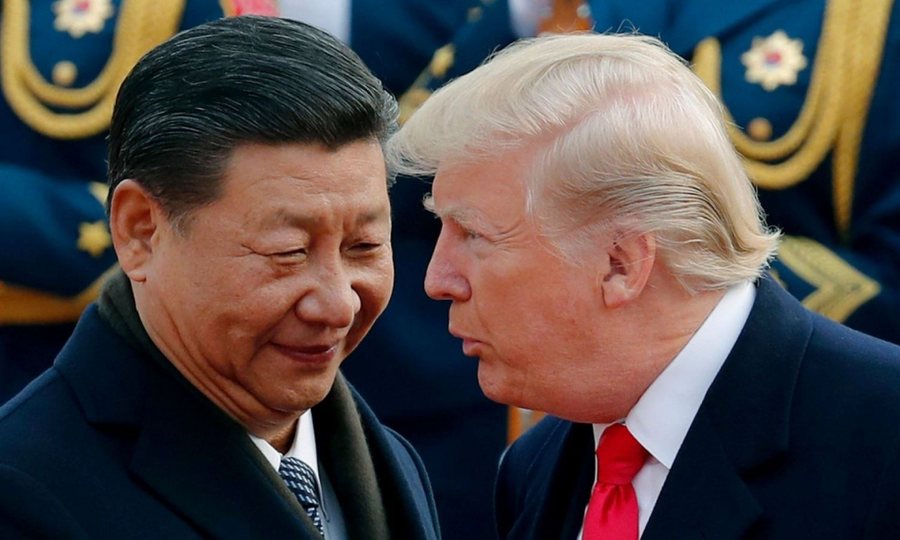
Trump's unstable strategy towards China risks giving it superpower status
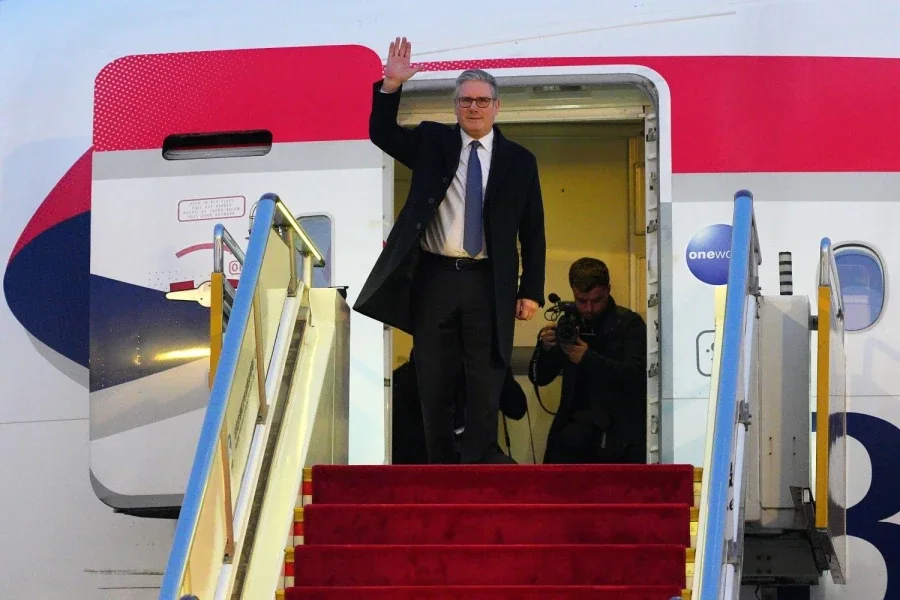
Washington's attention will be focused on Beijing today, where British Prime Minister Keir Starmer will pay an official visit and meet with the Chinese president.
The rapid changes in American foreign policy, as the Trump administration "unpacks" the main pillars of American foreign strategy in recent decades, have created a gap in the geopolitical chessboard. This is precisely the gap that Beijing, which is carrying out a "friendly aggression" in Europe and Canada, wants to fill.
Donald Trump is imposing tariffs, cutting US foreign aid, negotiating aggressively, threatening military intervention in Greenland, and attacking traditional US allies.
Faced with this image, Beijing is trying to present itself as the stable ally on which the so-called "middle powers" can rely, as Canadian Prime Minister Mark Carney described them in his speech at the World Economic Forum in Davos.
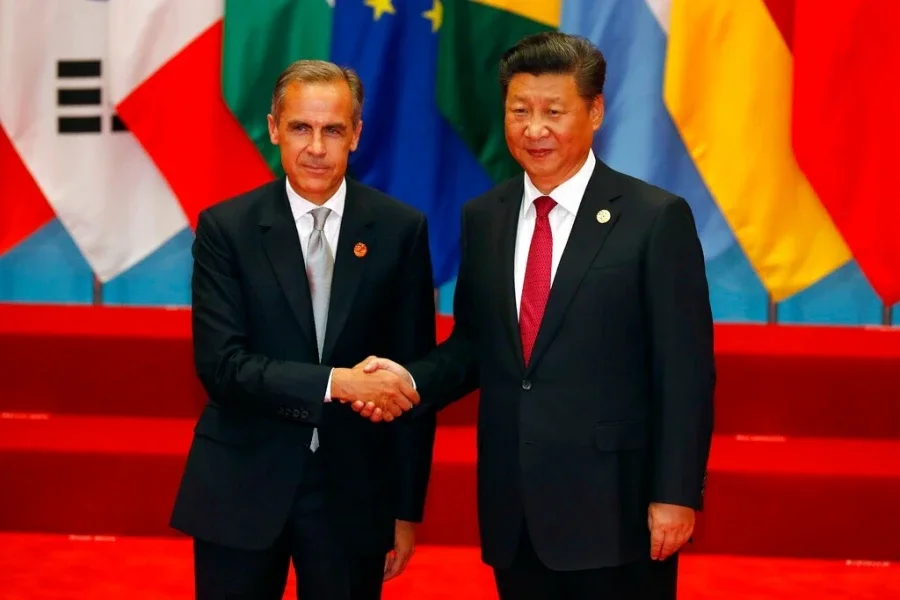
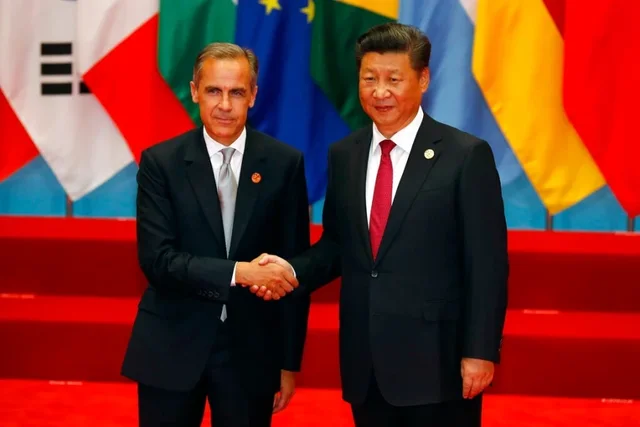
It's no coincidence that Mark Carney visited China a few days ago and reached an agreement to reduce tariffs in several sectors. This was enough to anger the US president, who threatened Canadian products with 100% tariffs if the country signed a free trade agreement with China.
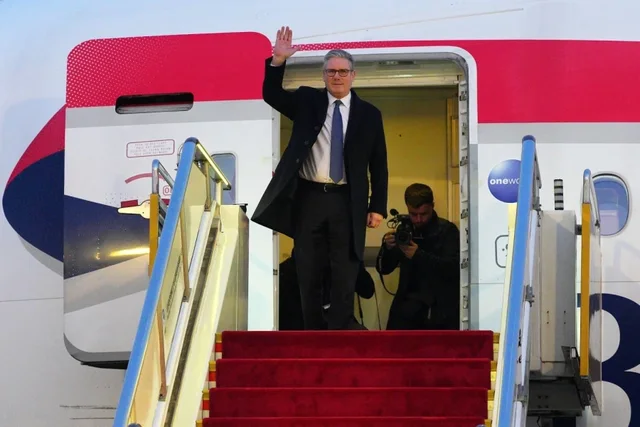
After the Canadian Prime Minister paved the way, British Prime Minister Keir Starmer is in China with a delegation of British businessmen for trade and economic deals. Despite the reactions he faces at home, Starmer wants to recognize Beijing's disposition, to conclude trade deals while avoiding concern from Washington.
Although he made it clear that he will not choose between China and the US, the visit of a British prime minister after 8 years and the revival of London-Beijing relations are of great importance in the current geopolitical context.
"Beijing can succeed even with an imperfect strategy"
No one at this stage can afford to ignore one of the world's largest economies. In 2025 alone, China's exports grew by 20%, giving the country a trade surplus of nearly $1.2 trillion.
“Washington’s policies have, in fact, brought a double benefit to Beijing. Not only have China’s economic offerings become more attractive to partners seeking an alternative to cooperation with the United States, but US pressure tactics have also made it more acceptable for China to coerce others,” Andrea Wong, a fellow at the American Enterprise Institute, told Foreign Affairs magazine.
Kina po e rafinon qasjen e saj ndaj luftës tregtare me Shtetet e Bashkuara, ndërkohë që përdor marrëveshje shumëpalëshe, projekte zhvillimi dhe financim strategjik të sektorëve kyç për të siguruar vendin e vendeve të tjera në zinxhirët e furnizimit kinez, sipas Wong.
“Mund të mos jetë kurrë në gjendje të tërheqë plotësisht shumicën e këtyre vendeve në orbitën e saj. Megjithatë, përdorimi i stimujve ekonomikë dhe sanksioneve mund t’i japë Pekinit ndikim të mjaftueshëm për të çuar përpara një qëllim të rëndësishëm: minimizimin e rezistencës globale ndaj politikave të brendshme dhe të jashtme të Kinës”, tha Wong.
Disa analistë theksojnë se nuk presin që ndikimi global i Shteteve të Bashkuara të bjerë. Disa vende kanë nevojë për qasje në ekonominë amerikane dhe duan përfshirjen e SHBA-së në sektorin e sigurisë. Kështu, ato nuk do të përpiqen të djegin urat me Uashingtonin, por padyshim të përmirësojnë pozicionin e tyre negociues dhe të bashkëpunojnë më shumë me Pekinin.
Megjithatë, analistët besojnë se fuqia amerikane nuk do të rritet më tej dhe për këtë arsye krijon një boshllëk që Pekini do të pretendojë të shfaqet si një superfuqi.
"Shumica e qeverive nuk po kthehen masivisht drejt Kinës. Shumë mbeten të kujdesshme ndaj presionit në rritje të Kinës, agresivitetit të saj politik dhe ushtarak dhe rrezikut të një konflikti midis Uashingtonit dhe Pekinit. Megjithatë, këto shqetësime po zbuten nga taktikat e presionit të administratës amerikane", vuri në dukje Andrea Wong.
Politika "e paqëndrueshme" e Trumpit
Në të njëjtën kohë, presidenti amerikan nuk e ka sqaruar politikën e tij ndaj Kinës. Duke gjykuar nga dokumenti i Strategjisë Kombëtare të Mbrojtjes së SHBA-së i publikuar së fundmi, amerikanët vazhdojnë ta konsiderojnë Kinën një kërcënim, por qëllimi i tyre nuk duket të jetë konflikti. Ajo që ata duan është të negociojnë nga një pozicion force dhe të parandalojnë që Pekini të bëhet një superfuqi.
Dhe ja ku lind pyetja kyçe: a mundet politika e Trump, e cila braktis aleatët tradicionalë të SHBA-së, të duket e ngurrueshme të përfshihet për të ndihmuar me sigurinë e tyre dhe të kërcënojë me tarifa kur nuk merr atë që dëshiron, të parandalojë ndikimin në rritje të Pekinit?
Zëvendëssekretari i Shtetit i SHBA-së nën administratën e Biden, Kurt Campbell, në një artikull në New York Times, e përshkroi politikën e Trump ndaj Kinës si "të paqëndrueshme". "Ndoshta kjo është çështja", komentoi Campbell me kuptimplotë, duke shpjeguar se qëllimi i strategjisë së Trump nuk është i qartë.
“All this uncertainty could have two effects. It could help Mr. Trump negotiate with Mr. Xi about the long-term interests of the United States when the two men meet later this year. But if Mr. Trump simply manipulates the situation to serve his short-term political and personal interests, the damage to the United States will be permanent. As the administration prepares for these meetings, it is vital that it pursues the first, strategic path. Even if it does, this approach carries risks,” Campbell said.
He even emphasized that it is no exaggeration to say that the course of the 21st century could depend on whether Mr. Trump's ambiguity is strategic or merely tactical.
“If Mr. Trump is playing a long-term game in the hopes of improving America’s declining military and economic power, then ambiguity could prove to be a smart strategic move to keep the United States ahead of its main global competitor.
If, instead, he simply strengthens his political position at home while appeasing China, the costs to Americans now and in the decades to come could be devastating,” Campbell noted. / Pamphlet /



Lini një Përgjigje