


 Shkruar nga Pamfleti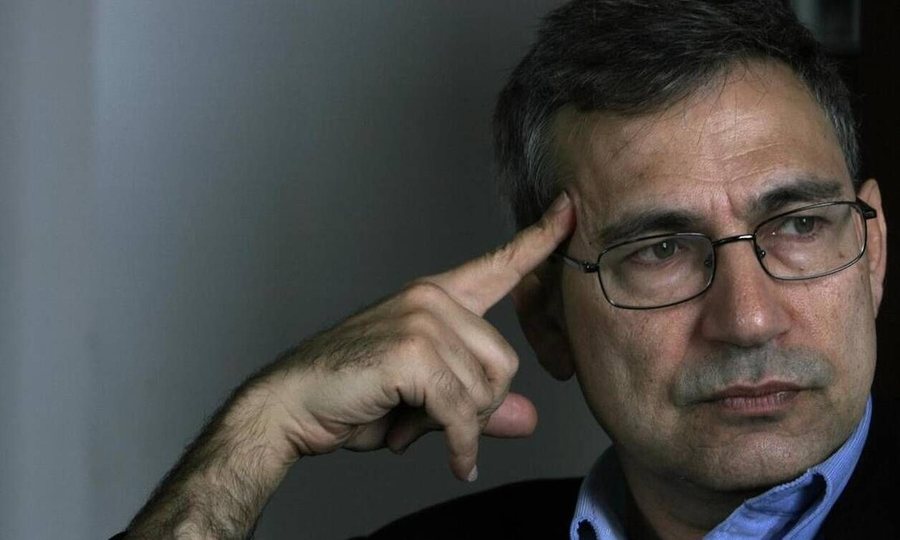
The Nobel Prize winner in Literature, who lives in Istanbul, spoke out against the arrest of his city's mayor, Ekrem Imamoglu...
In an article published in Le Monde and other major international newspapers, Nobel Prize-winning author Orhan Pamuk denounces an operation that risks definitively ending Turkey's already troubled democracy.
Following the arrest on March 19 of Istanbul Mayor Ekrem Imamoglu on trumped-up charges of corruption and terrorism, Taksim Square, the city's main tourist attraction and center of political protests, remains empty, cordoned off by police.
"In the 50 years I've lived in Istanbul, I've never seen so many so-called security measures on the streets as in recent days," says Orhan Pamuk.
Analysis of Orhan Pamuk
“Taksim metro station and many of the city’s busiest stations were closed. The regional government restricted access to cars and intercity buses in Istanbul. Police are checking vehicles as they enter the city and expelling anyone suspected of going there to protest. Here, as elsewhere in the country, televisions are constantly on and people are anxiously following the latest political developments.
The Istanbul prefecture has banned public demonstrations and political gatherings – rights guaranteed by the Constitution – for a week. Despite these restrictions, and despite the fact that internet access is limited to prevent protests, spontaneous and unauthorized demonstrations continue unabated, not without clashes with the police. The police used tear gas without hesitation and made countless arrests.
Political threat
I wonder how such injustices can occur in a country that is a member of the North Atlantic Treaty Organization (NATO) and aspires to join the European Union. While the world's attention is focused on Donald Trump, the wars between Palestine and Israel, and between Ukraine and Russia, what is left of Turkish democracy is now fighting for its survival.
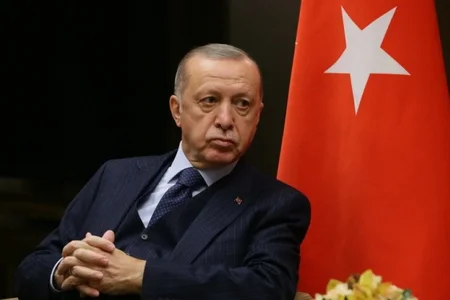
The imprisonment of President Recep Tayyip Erdogan’s main political opponent, a politician capable of winning broad popular support, marks an unprecedented escalation of the Turkish president’s violent authoritarianism. Imamoglu’s arrest came just days before the main opposition party was to officially nominate him as its presidential candidate in the primary election. Whether they are for or against the government, many citizens now agree on one thing: Erdogan considers Imamoglu a political threat and seeks to eliminate him.
Në tre zgjedhjet e fundit komunale në Stamboll, Imamoglu mori më shumë vota se lëvizja e Erdoganit, Partia për Drejtësi dhe Zhvillim (AKP). Në prill 2019, kur Imamoglu mposhti kandidatin e AKP-së, Erdogan e anuloi rezultatin, duke përmendur parregullsi teknike. Zgjedhjet u përsëritën dy muaj më vonë dhe Imamoglu fitoi përsëri, me një diferencë edhe më të madhe.
Në ciklin e ardhshëm zgjedhor, në vitin 2024, pas pesë vitesh si kryetar bashkie, Imamoglu përsëri mundi kandidatin e partisë së Erdoganit dhe fitoi mandatin e tij të tretë si kryetar i Stambollit. Rekordi i tij mbresëlënës elektoral dhe popullariteti në rritje e kanë bërë atë kandidatin kryesor të opozitës të aftë për të sfiduar Erdoganin në zgjedhjet e ardhshme presidenciale.
E njëjta mënyrë funksionimi
Ironia është se Erdogan duket se po përdor të njëjtin modus operandi kundër kundërshtarit të tij që u përdor kundër tij njëzet e shtatë vjet më parë. Në vitin 1998, Erdogan ishte kryebashkiak i Stambollit dhe një figurë popullore. Institucioni laik dhe ushtarak e konsideronte të rrezikshme formën e tij të islamit politik. Ai u burgos dhe u akuzua (në rastin e tij, për nxitje të urrejtjes fetare pas recitimit të një poezie politike në një tubim). Ai u hoq nga posti i tij si kryetar bashkie dhe kaloi katër muaj në burg.
Burgosja dhe refuzimi i tij për t'iu nënshtruar kërkesave represive të ushtrisë, duke sfiduar autoritetet, ndihmuan në ngritjen e profilit të tij politik. Siç kanë theksuar disa komentues, burgosja e Imamoglu, i cili mohon akuzat dhe gjithashtu premton "të mos nënshtrohet ", mund të ketë të njëjtin efekt të paqëllimshëm. Mund ta ndihmojë atë të bëhet edhe më popullor.
Thënë kështu, situata nuk është saktësisht e njëjtë. Ekrem Imamoglu po përballet me një përpjekje të qëllimshme dhe të vendosur për ta eliminuar atë nga gara. Një ditë përpara se policia të dërgohej në shtëpinë e kryebashkiakut, shtypi pro-Erdogan dhe rektori i emëruar nga presidenti i Universitetit të Stambollit deklaruan se diploma universitare e Imamoglu ishte e pavlefshme, duke përmendur parregullsitë e supozuara në transferimin e tij nga një universitet privat. Meqenëse vetëm të diplomuarit e universitetit lejohen të kandidojnë për president në Turqi, një anulim i tillë do ta skualifikonte Imamoglun. Ai ka thënë se ka ndërmend të apelojë vendimin. Më pas erdhën akuzat për korrupsion dhe terrorizëm.
Calling political opponents “terrorists” is a tactic adopted by Erdogan after the failed coup attempt [in July 2016] by a faction of the Turkish armed forces. In 2019, when Austrian author Peter Handke, who was criticized for supporting the late Serbian leader Slobodan Milošević, was awarded the Nobel Prize in Literature, Erdogan strongly objected to the decision. Surprised and without a megaphone, he declared: “They gave the same prize to a terrorist from Turkey!” That day, I was about to return from New York to Istanbul and was about to cancel my return flight when the President’s spokesman stepped in to announce that I was not the one the President was referring to.
Regaining control of an asset
An Erdogan-controlled court jailed Imamoglu for “corruption,” but he was not charged with “terrorism.” Such a category would allow the president to nominate his preferred candidate for mayor of Istanbul — a position that the AKP, it should be recalled, has failed to win in the last three electoral contests. That would allow him, some fear, to divert a portion of the city’s vast tax revenues to finance his party’s propaganda.
By imprisoning Imamoglu, Erdogan is not only removing a political rival who is more popular than him: he is also seeking to regain control of a sum of money that he has not been able to use for six years. If he succeeds, in the next presidential election, only the faces of Erdogan and his candidate will appear on city walls and illuminated municipal signs.
This will come as no surprise to anyone who follows Turkish politics closely. For the past decade, Turkey has not been a true democracy – just an electoral democracy, where you can vote for your favorite candidate, but where there is no freedom of speech or thought. The Turkish state has done everything it can to force its people into uniformity. No one is talking about the numerous journalists and civil servants who have been arbitrarily imprisoned in recent days. These arrests were made to give greater weight and credibility to the corruption allegations against Imamoglu – unless the authorities were simply gambling that no one would pay attention, as all eyes were focused on events elsewhere.
Now, with the arrest of the country's most popular politician, the candidate who would win the most votes in the upcoming national elections, even the limited form of democracy is coming to an end. This is unacceptable and deeply disturbing, which is why more and more people are joining the protests. No one can predict what will happen. / Adapted Pamphlet from Le Monde /


Lini një Përgjigje