


 Shkruar nga Pamfleti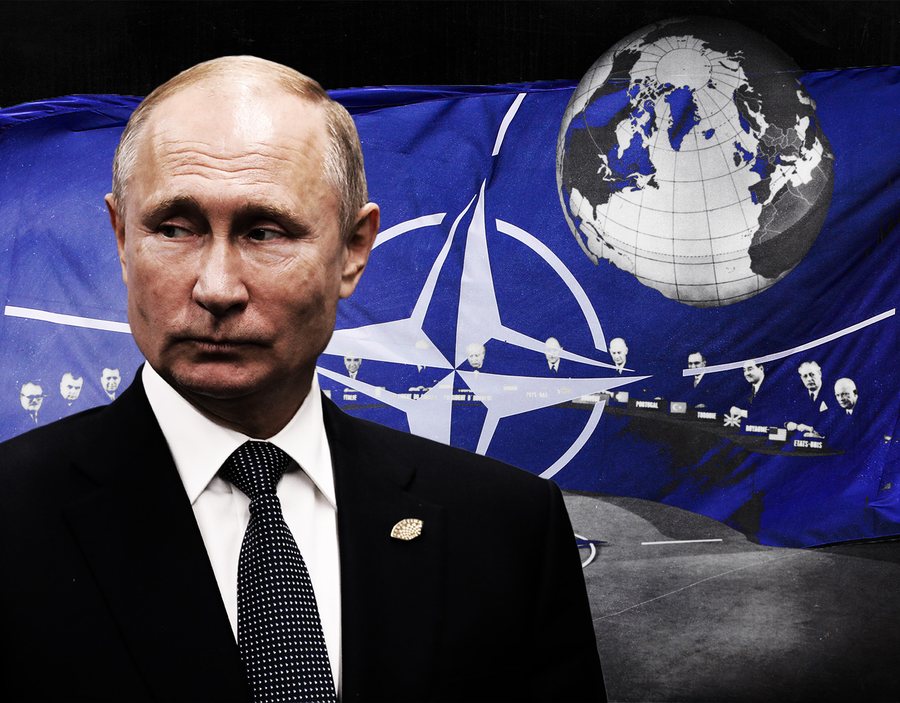
The article states that NATO is becoming more and more reckless about Russia and how it should handle the war in Ukraine.
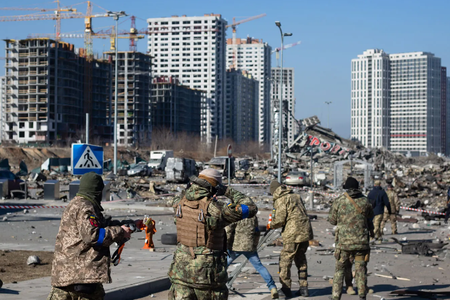
The Guardian has devoted an article to the war in Ukraine and the possibility of its escalation.
The article states that NATO is becoming more and more reckless about Russia and how it should handle the war in Ukraine.
According to this article, the leak of German military information on Russia also proves this, which means that NATO is moving away from its early strategy of non-intervention in local conflicts, which could lead to an expansion of the conflict.
The Guardian's analysis:
The leak from Moscow of a 38-minute discussion between the head of the Luftwaffe and senior officers about sending Taurus cruise missiles to Ukraine shows that NATO's will not to escalate the current war is weakening.
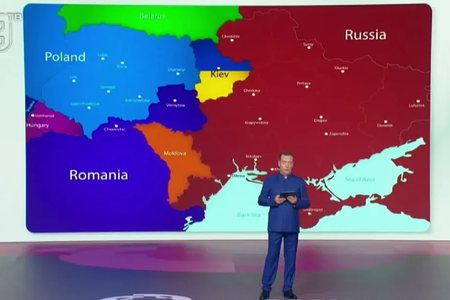
The meeting, which was reportedly held on an unencrypted line, had all the secrecy of a teenage group chat. This meeting prompted Vladimir Putin's claim that this is a war of the West against Russia, with Ukraine as a mere proxy.
The West's justified objective in Ukraine was to help prevent Putin's attempt to overthrow the elected government of Kiev. This was achieved in a few months, thanks to the Ukrainian army, with Western logistical support. At no point did NATO risk that outdated precursor to so many past European wars, the reckless escalation of a local conflict into a continent-wide conflict.
But as the conflict in Ukraine has reached a predictable stalemate, NATO's strategy has lost all coherence. This is when such wars get out of control. For two years, Western leaders have polished their macho images at home by visiting and asking Kiev President Volodymyr Zelenskiy to seek total victory with their help. It was Boris Johnson's favorite promise, but then his voters just paid for it, didn't die. Emmanuel Macron of France has also suggested sending troops.
Equally predictable was that total victory was never on the cards. This meant that at some point doubts would arise. Jens Stoltenberg, NATO's secretary general, is now declaring that course must be changed, without saying what that means. Germany's generals may want escalation, but its chancellor, Olaf Scholz, has long been cautious. Likewise, it is also a large part of American public opinion, with Secretary of State Antony Blinken noting only that the West must ensure that Russia's war "continues to be a strategic failure".
Moscow in war can always play long. Although it seemed terrible at the time, the deal discussed in the spring of 2022. Instead, Ukraine has become more and more like a NATO mercenary for Western generals who want to increase their budgets and revive the games of the cold war of their youth. The price is paid by their taxpayers and the youth of Ukraine.
Western Europe has no interest in escalating the war in Ukraine through the exchange of long-range missiles. While it should increase its logistical support for Ukrainian forces, it has no strategic interest in Kiev's desire to expel Russia from the majority Russian-speaking areas of Crimea or the Donbass. It has every interest to earnestly seek an early settlement and begin the reconstruction of Ukraine.
As for the West's "soft power" sanctions against Russia, they have failed miserably, disrupting the global trade economy in the process. Sanctions may be dear to Western diplomats and think tanks. They may even hurt someone, not least energy users in Britain, but they haven't destroyed the Russian economy or changed Putin's mind. This year, Russia's growth rate is expected to exceed that of Britain.
The gross incompetence of a quarter century of Western military interventions should have taught us some lessons. Apparently not.



Lini një Përgjigje