


 Shkruar nga Pamfleti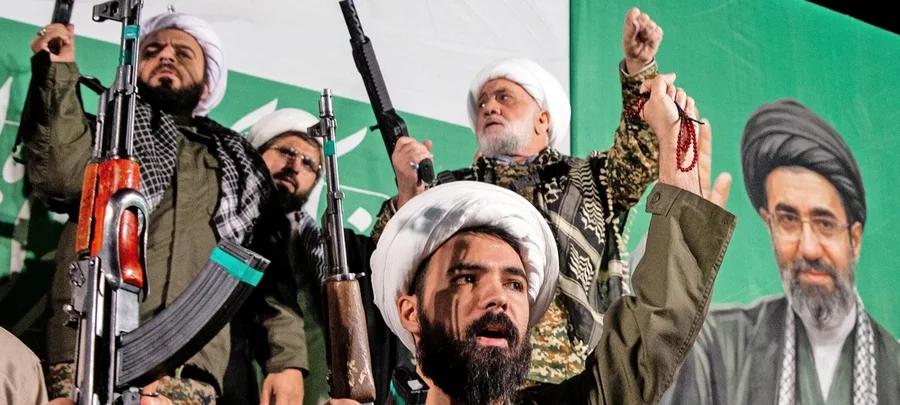
Currently in Tehran, the Revolutionary Guard has assumed the decisive role in running the country. At this stage, the Supreme Leader appears to play a largely ceremonial role, an unusual development for a regime that is essentially theocratic. However, this situation may not be sustainable.
The idea that more moderate forces in Iran could be strengthened from abroad has a long tradition in the United States. As early as 1986, Ronald Reagan had this objective in mind, among others, when he authorized arms sales to Iran. After the assassination of Ayatollah Ali Khamenei, Donald Trump was believed to have thought he could influence the selection of a new Supreme Leader.
Later, the US president seemed to hope that he had found a much more reasonable negotiating partner in Parliament Speaker Mohammad Bagher Ghalibaf. Vice President JD Vance declared that Ghalibaf was the one who “essentially runs Iran.” However, the reality is more complex.
The war and the assassination of Supreme Leader Ali Khamenei have changed the character of the regime, but not in the way Washington expected. In Tehran, the Revolutionary Guards have now taken real control of power. The new Supreme Leader, Modschtaba Khamenei, appears to have a more ceremonial role at present.
According to foreign intelligence services and Iranian sources, decisions are made primarily at the National Security Council and at the highest levels of the Revolutionary Guard, and are presented to the Supreme Leader for formal approval. For a regime that presents the Supreme Leader as God's representative on earth, this is a significant change.
In the past, Ali Khamenei's authority was unquestioned. When he met with his generals, he was the only one who sat on a chair, while they stood on the floor in front of him. When he took power in 1989, the Revolutionary Guard had no influence over him. Unlike him, Modschtaba Khamenei owes the regime's position and survival to the Guard's support.
According to Danny Citrinowicz of the Institute for National Security Studies, in an analysis published in Foreign Affairs, Guard commander Ahmad Vahidi and former intelligence chief Hossein Taeb exploited the turmoil of the war to put pressure on the 88 clerics who determine the Supreme Leader. He points out that, without the war, the rise of Modschtaba Khamenei, who was not the preferred candidate, would have been much less certain. This occurred despite considerable opposition within the clergy to a dynastic succession and to a candidate with questionable theological authority.
Rritja e ndikimit të Gardës Revolucionare është një proces i gjatë. Që në fillim të mandatit të tij, Ali Khamenei krijoi një marrëveshje me këtë strukturë për të konsoliduar pushtetin ndaj rivalëve dhe trazirave të brendshme. Ai pengoi përpjekjet për të kufizuar ndikimin e saj, lejoi depërtimin në institucionet civile, u dha mundësi përfitimi ekonomik përmes kontratave shtetërore dhe privatizimeve, si dhe i dha rol të rëndësishëm në politikën e jashtme dhe sigurinë e brendshme.
Megjithatë, dominimi i Gardës nuk do të thotë se komandanti i saj Ahmad Vahidi është bërë diktatori i ri i Iranit. Pushteti është i shpërndarë mes disa figurave. Edhe kryetari i parlamentit Ghalibaf konsiderohet pjesë e këtij rrjeti, pasi më parë ka drejtuar kompaninë ndërtimore të Gardës, Khatam al-Anbiya, dhe më pas ka komanduar forcën ajrore të saj. Aktualisht, ai ushtron ndikim përmes Këshillit të Sigurisë Kombëtare.
Vahidi dhe Ghalibaf i përkasin kampeve rivale politike. Vahidi lidhet me linjën më të ashpër, e cila kundërshton negociatat me SHBA-në për arsye ideologjike dhe për shkak të interesave ekonomike dhe politike në ruajtjen e status quo-së. Ndërkohë, Ghalibaf dhe rrjeti i tij konsiderohen më pragmatikë. Megjithatë, të dyja palët kanë lidhje të ngushta me Modschtaba Khamenein.
Sekretari amerikan i Shtetit, Marco Rubio, i ka përshkruar këto dallime duke thënë se ekzistojnë “forca të ashpra që e kuptojnë nevojën për të mbajtur në funksion shtetin dhe ekonominë, dhe forca të tjera që udhëhiqen plotësisht nga teologjia”. Këto të fundit ndjekin një ide të artikuluar nga Ruhollah Khomeini, sipas të cilit ekonomia ka rëndësi dytësore.
Çështja e negociatave me Shtetet e Bashkuara ka qenë gjithmonë burim përçarjeje në Iran. Tani këto përplasje zhvillohen edhe brenda vetë Gardës Revolucionare. Kjo reflektohet në raportimet e ndryshme të agjencive Fars dhe Tasnim, të cilat megjithëse janë të lidhura me Gardën, paraqesin qëndrime të ndryshme. Megjithatë, ka sinjale se drejtuesit po përpiqen të ndalin përçarjet e brendshme.
Agjencia Tasnim ka kritikuar mediat e lidhura me frontin radikal Paydari, përfshirë edhe televizionin shtetëror, duke i akuzuar se me sulmet ndaj Ghalibaf po “realizojnë projektin e Trump”. Nga ana tjetër, fundamentalistët e akuzojnë Ghalibaf se ka shkelur vijat e kuqe të Udhëheqësit Suprem gjatë negociatave. Fronti Paydari përfiton nga mobilizimi i mbështetësve në rrugë, por ndikimi i tij institucional mbetet i kufizuar.
Edhe kampi i Ghalibaf i referohet autoritetit të Udhëheqësit Suprem. Megjithatë, mungesa e tij në publik për arsye sigurie dhe për shkak të plagëve të rënda ka lënë pa një qëndrim të qartë përfundimtar. Ai ka autorizuar negociatat në një deklaratë publike, por pa dhënë detaje.
To bolster the negotiators' position, the Iranian parliament has expressed strong support for Ghalibaf and his team. In a resolution, the negotiations were described as a "new arena of struggle against the enemy." The resolution was approved by 261 votes in favor out of 290 deputies. Ahmad Vahidi's position remains unclear, as he does not appear publicly.
The question of whether the new leaders are more radical than the previous regime remains open. On the one hand, Ali Khamenei had kept the generals in check and had pursued a strategy of “strategic patience” to avoid direct confrontation with the United States. On the other hand, after the US entered the 12-day war of 2025, he concluded that a new conflict was inevitable. The strategy of strong escalation in the early stages of the war was designed during his leadership, although he had passed away when it was implemented.
After the war, the regime attempted to tone down Islamist rhetoric and emphasize nationalist elements to broaden support in society. Modschtaba Khamenei has continued this approach. In his New Year’s speech, he referred to the nation 14 times and only five times to Islam. In this context, it is considered possible that the role of the morality police will be reduced to avoid new protests. However, the Revolutionary Guard continues to consider itself as the defender of the state’s Islamist ideology./ Adapted from “Pamphlet”, from “ArchiveToday”



Lini një Përgjigje