


 Shkruar nga Pamfleti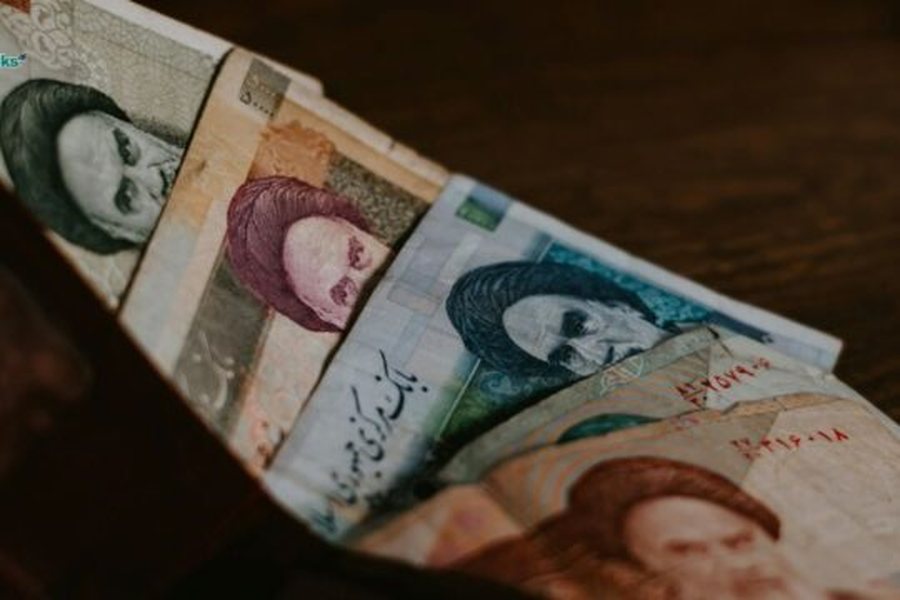
Iran's national currency has suffered another significant decline, reaching its lowest historical level against the US dollar, at a time when authorities are trying to mitigate the effects of restrictive measures that are weighing on the country's economy.
The rial reportedly fell as low as 1.81 million to the dollar, before easily recovering some of its losses. Local media reports suggest that the currency has lost about 15% of its value in recent days alone.
The currency's weakness comes amid ongoing tensions with the United States and Israel, as well as the impact of long-term sanctions on the Iranian economy. Recent developments, including airstrikes launched on February 28 and restrictions on maritime activity, have hit oil exports and hampered domestic production.
Although the parties agreed to a ceasefire on April 8, economic pressure increased further after new restrictive measures were imposed on April 13, making it more difficult for Iran to secure foreign exchange through exports. In this climate, annual inflation has risen from around 40% before the conflict to nearly 50% in early April.
Rising prices of basic products, such as rice, eggs and chicken, have further worsened the lives of citizens. According to reports, the worsening economic situation has also prompted nationwide protests in recent months.
Human rights organizations claim that the authorities' response to the protests has been harsh, with serious consequences for the demonstrators.







Lini një Përgjigje