


 Shkruar nga Pamfleti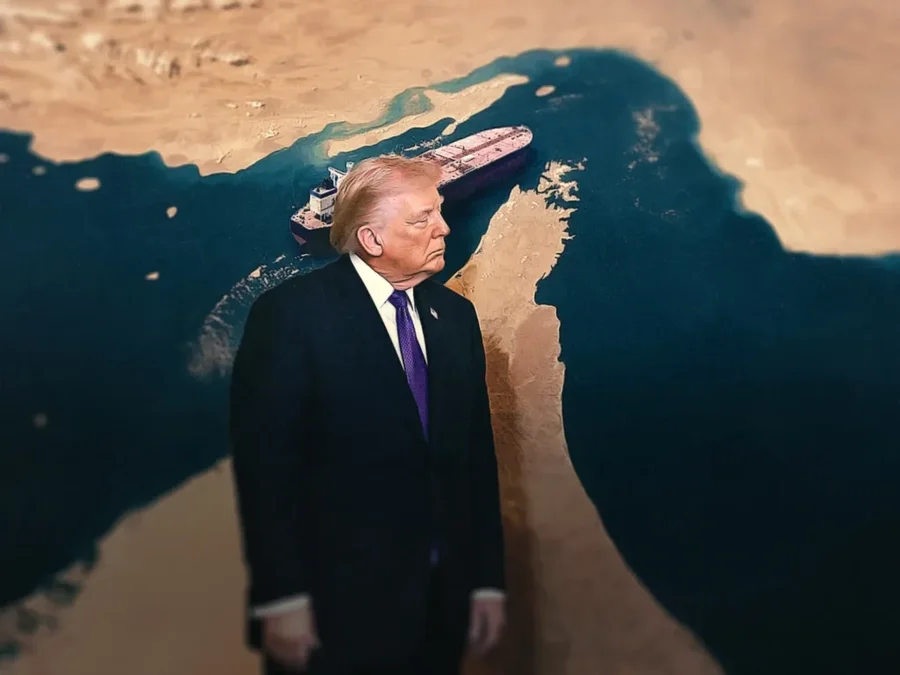
Tehran is the main obstacle. The one that is preventing the signing of the memorandum of understanding in these tense hours...
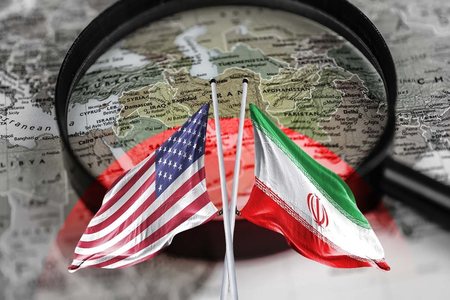
The negotiating table has been officially set. But the two main guests, Iran and the US, have not yet sat down. Tehran is the main obstacle. The one that is preventing the signing of the memorandum of understanding in these tense hours. The Iranian government has not yet officially approved a fundamental issue, which is actually blocking the negotiations: the nuclear program. With Tehran stalling, the US position has changed somewhat. While in the early hours of today the US administration predicted that an agreement was imminent, Donald Trump's latest words suggest that the US also wants to delay. Negotiations must continue. The US president announced that he had told US negotiators "not to rush into a deal with Iran".
The American website Axios claims that the White House no longer expects the agreement to end the war to be signed on May 24. American officials believe that it could take several days for formal approval by the Iranian leadership and the Supreme Leader. According to Axios, while remaining optimistic, the United States clearly acknowledges that the agreement has not yet been finalized and could fail. Bloomberg also states that this situation now makes it impossible for the signing to take place in the coming hours. However, another source, White House correspondent Jennifer Jacobs, claims that Mojtaba Khamenei has already approved the general model for the draft agreement.
A deep political divide is developing within the Iranian regime, between the moderate wing that favors signing the agreement, even if quickly, and the hard-line wing that wants to be sure before signing that it will not have to abandon its nuclear program and maintain control of the Strait of Hormuz. The strong internal differences emerged from comments by Iranian President Masoud Pezeshkian. The leader clearly stated that "no decision will be made" on the Iran-US agreement without the final "approval" of Supreme Leader Ayatollah Mojtaba Khamenei.
The head of state's clarification came in direct response to attacks from hardline parliamentarian Kamran Ghazanfari, who earlier this week sharply criticized Pezeshkian, accusing him of having agreed to the ceasefire "without Khamenei's official permission." Pezeshkian had to clarify that Iranian negotiators "will not compromise" when it comes to national honor and dignity. The leadership of the Islamic Republic thus finds itself forced to deny that it has made concessions on the nuclear issue in order to manage pressure from more radical groups, especially the Pasdaran.
On the other side of the situation, Trump also decided not to let up and maintain maximum military and psychological pressure. The US president warned that the blockade of Iranian ports in the Strait of Hormuz would remain "fully in effect" until a final agreement is signed. Trump also stressed that Iran must understand that it "cannot develop or acquire a nuclear weapon or bomb". He then published an image generated by artificial intelligence showing US fighter jets bombing Iranian-flagged ships, apparently in the Strait of Hormuz.
The exchange envisaged in the draft Memorandum of Understanding includes Iran's commitment to reopening Hormuz and temporarily suspending the tariff; on the other hand, the lifting of the US blockade and the easing of sanctions on Tehran's oil, as well as the possible partial release of frozen assets. However, it is a single-page document, a framework agreement within which several issues remain to be resolved. Work is underway, mainly to find the right geopolitical language, that is, the easiest formula to digest by both sides.
The first pillar of the text calls for another two months of ceasefire and the simultaneous reopening of the Strait of Hormuz. According to Axios, the ceasefire will be extended by 60 days, with the possibility of a mutually agreed extension. During this two-month period, during which the two delegations will negotiate a final agreement, the Strait will remain open, toll-free and completely cleared of mines. Meanwhile, to ensure compliance with the agreements, the massive US military forces mobilized in the area in recent months will remain in place and will only withdraw in the event of a final agreement. In exchange for the opening of the Strait, the United States will lift the blockade of Iranian ports and grant some exemptions from restrictive measures imposed on the regime, thus allowing Tehran to resume free oil sales.
The third point concerns the unlocking of assets frozen abroad. Citing three Iranian officials, the New York Times reported that the memorandum of understanding would unlock approximately $25 billion in Iranian funds frozen abroad. However, Trump administration sources interviewed by Bloomberg disagree, stating that the United States does not intend to include the unlocking of assets within the currently negotiated agreement.
The memorandum of understanding is not limited to Iran's borders, but aims to achieve regional stabilization, including stopping the war in Lebanon. However, a US official had to clarify one important detail to reassure his Israeli ally: if Hezbollah were to attempt to rearm or launch new attacks, Israel would be formally authorized to take military action to prevent it.
The real strategic focus of the memorandum is the nuclear issue. The text, according to the media, includes Iran's commitment not to develop nuclear weapons and to negotiate the relinquishment of its highly enriched uranium stockpile. Two regional sources explained that Iran has already given verbal commitments on the concessions it is willing to make: the idea calls for some of the uranium to be enriched locally, while the rest is transferred to a third country, potentially to Russia.
CBS White House correspondent Jennifer Jacobs also claims that Iran has agreed in principle that in exchange for the lifting of the US blockade, the US will destroy its highly enriched uranium. However, the Iranian Fars news agency has clarified that in this agreement, Iran has not pledged to surrender nuclear stockpiles, withdraw equipment or close facilities. Iranian Foreign Ministry spokesman Esmail Baghaei stressed that "the nuclear issue is not part of this phase of the agreement" and that "the practical modalities of dismantling will simply be the subject of a second phase of separate talks to be held within 60 days of the signing".
Meanwhile, on the ground, the Strait of Hormuz remains effectively under Tehran’s exclusive military control, while the Islamic Republic’s ports continue to be subject to a naval blockade imposed by US warships. In the past 24 hours, commercial shipping has seen at least 33 ships transit through Hormuz, including oil tankers and merchant ships, according to Al Jazeera. However, this passage only occurred after the ships received permission from the Revolutionary Guard Navy. Even in the coming hours, and until the political impasse is resolved and a final agreement is reached, the Strait of Hormuz will remain under Tehran’s control, and Iranian ports will remain completely closed to the US blockade./ Adapted from “Pamphlet” by “HuffPost”


Mire thoshte gjyshja ime: "Sikur te benin te gjitha mizat mjalte do kushtonte 5 para oka".