


 Shkruar nga Pamfleti
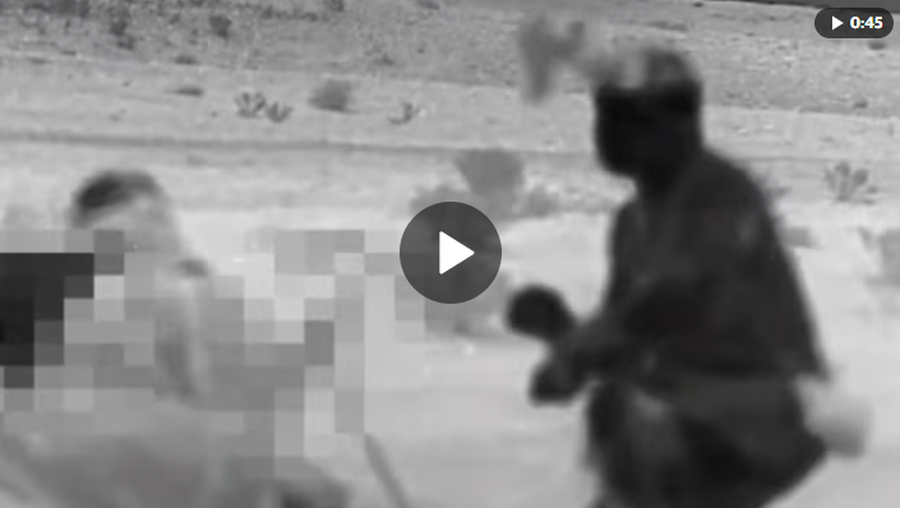
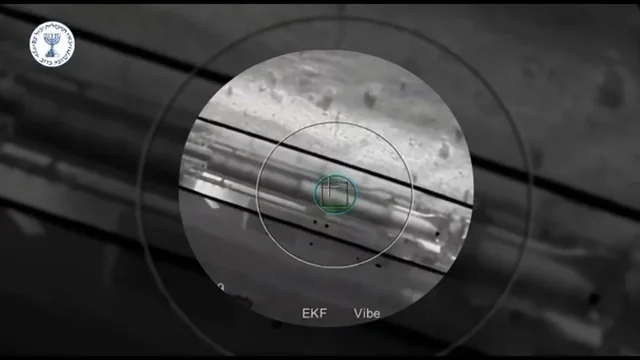
Intelligence gathered by Mossad on Iran also gave the Israeli air force the opportunity to target senior Iranian commanders and scientists. In an extremely rare move, Mossad released a video from some of its operations, showing drones attacking what appeared to be surprise missile launchers.
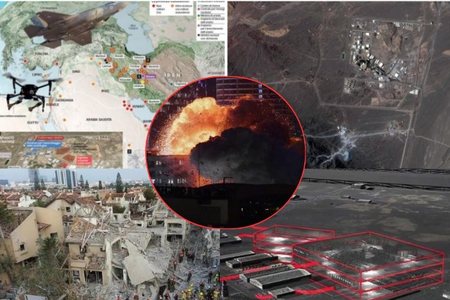
Before Israel launched an unprecedented wave of attacks against Iran's nuclear facilities and top military leaders this week, its spies were already on the ground in enemy territory.
The Israeli intelligence agency Mossad had smuggled weapons into Iran before the attacks, according to Israeli security officials, and would use the weapons to target Iran's defenses from within.
Officials said Israel set up a base inside Iran to launch explosive drones, and the drones were later used to target missile launchers near Tehran. Precision weapons were also smuggled in and used to target surface-to-air missile systems, paving the way for the Israeli Air Force to carry out more than 100 strikes with over 200 aircraft in the early hours of Friday local time.

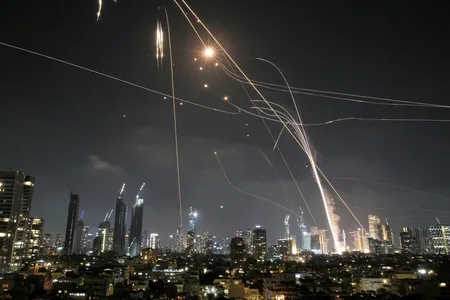
The plan to disable Iranian defenses appears to have been effective; Israel said all of its planes returned safely from the first waves of attacks, appearing to demonstrate Israeli air superiority over parts of a country hundreds of miles away.
Intelligence gathered by Mossad on Iran also gave the Israeli air force the opportunity to target senior Iranian commanders and scientists.
In an extremely rare move, Mossad released a video from some of its operations, showing drones attacking what appear to be surprise missile launchers.
In addition to the drone base established by Mossad long before Wednesday's attack, Mossad commandos deployed "precision-guided weapons systems" near Iranian air defense missile systems, which were activated at the same time the Israeli air force began striking their targets. A second operation deployed sophisticated vehicle-mounted weapons to target other Iranian defense systems.
The Mossad operation also included assassinations of senior Iranian officials.
Israel has demonstrated, even boasted, about Mossad's ability to operate with near impunity in Iran in the past.
Duke filluar në fillim të viteve 2010, Irani akuzoi Izraelin për kryerjen e një fushate vrasjesh kundër shkencëtarëve bërthamorë të vendit. Ish-Ministri i Mbrojtjes Moshe Ya'alon pranoi në heshtje vrasjet e synuara kur tha në vitin 2015 se Izraeli nuk mund të mbahet përgjegjës "për jetëgjatësinë e shkencëtarëve bërthamorë të Iranit".
Nga viti 2007 deri në vitin 2012, Izraeli dyshohet se kreu pesë vrasje të fshehta, pothuajse të gjitha në Teheran, përmes bombardimeve me telekomandë ose mitralozave me telekomandë. Vetëm një nga shkencëtarët kryesorë bërthamorë të Iranit i mbijetoi atentatit, Fereydoon Abbasi.
Vetëm muajin e kaluar, Abbasi i tha medias shtetërore iraniane se çdo sulm ndaj vendeve të prodhimit do të kishte pak ndikim në afatin kohor të zhvillimit të një bombe, duke thënë, "aftësitë tona janë të shpërndara në të gjithë vendin. Nëse ata synojnë vendet e prodhimit, kjo do të jetë e parëndësishme për afatin tonë kohor, sepse materialet tona bërthamore nuk ruhen mbi tokë që ata të mund t'i godasin".
Abbasi ishte një nga shkencëtarët e vrarë në sulmin e Izraelit në mëngjes herët në Teheran.
Veprimet e Mossadit shpejt u bënë shumë më publike.
Në fillim të vitit 2018, Izraeli vodhi arkivin bërthamor të Iranit nga Teherani, duke shfaqur grushtin e inteligjencës në një transmetim të drejtpërdrejtë nga Jerusalemi. Duke folur në anglisht, Netanyahu tregoi arkivin, duke përfshirë atë që ai tha se ishin kopje të 55,000 faqeve të informacionit bërthamor iranian dhe një shfaqje të disqeve që ai tha se ishin 55,000 dosje.
Irani u përpoq t'i hidhte poshtë komentet e Netanyahut si "fëminore" dhe "qesharake", por plaçkitja e arkivit tregoi besimin që Izraeli kishte në aftësinë e Mossadit për të funksionuar në Teheran. Operacioni, i cili do të kërkonte planifikim të gjerë dhe një njohuri të thellë të vendndodhjes dhe sigurisë së arkivit, e shtyu administratën e parë Trump të tërhiqej nga marrëveshja origjinale bërthamore me Iranin, e njohur si Plani i Përbashkët Gjithëpërfshirës i Veprimit (JCPOA).
Izraeli nuk kishte mbaruar ende.

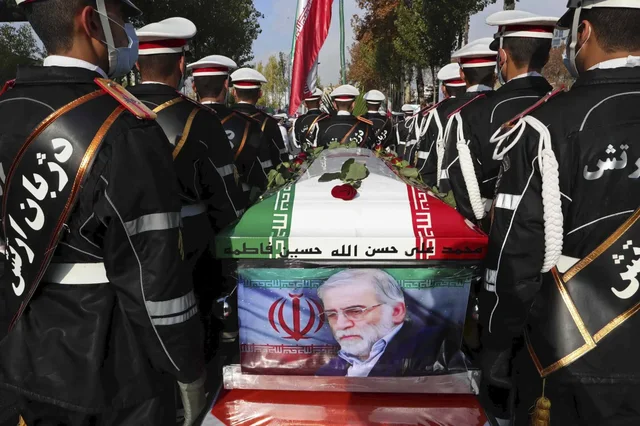
Në nëntor të vitit 2020, Izraeli vrau Mohsen Fakhrizadeh, shkencëtarin kryesor bërthamor të Iranit, ndërsa ai ishte në një makinë të paplumbuar që udhëtonte me gruan e tij. Makina e Fakhrizadeh po lëvizte me tre automjete sigurie kur ai u qëllua. Mediat shtetërore iraniane thanë se një mitraloz i telekomanduar hapi zjarr ndaj shkencëtarit bërthamor, i cili kishte qenë një objektiv i gjatë për Izraelin.
Operacioni, të cilin Izraeli nuk e ka pranuar publikisht, u krye me saktësi të jashtëzakonshme dhe tregoi një njohuri të thellë të modelit të jetës së Fakhrizadeh.
E megjithatë, pavarësisht pamundësisë së tij të përsëritur për të ndaluar Mossadin, Irani ka rezultuar i paaftë për t'u përmirësuar.
Ram Ben Barak, the former deputy director of Mossad, said that the organization's continued success is "due to a regime that is very, very unpopular, even hated by most of the public, so that allows for intelligence penetration on the one hand, and on the other hand, you have the sophistication and professionalism of Israeli intelligence personnel."
After the start of the Gaza war, Israel assassinated Hamas political leader Ismail Haniyeh in the heart of Tehran. A source familiar with the matter said Israel planted an explosive device in a guesthouse where Haniyeh was known to be staying. The bomb was hidden in the room for two months before the intended assassination and was detonated by remote control once Haniyeh was in the room./ CNN


Lini një Përgjigje