


 Shkruar nga Pamfleti
In addition to the risk to oil supplies, China and other Asian economies face logistical challenges if the Strait of Hormuz, a key route for transporting oil from countries such as Saudi Arabia and Kuwait, is closed or faces disruption.

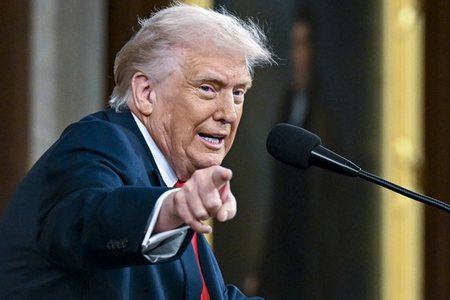
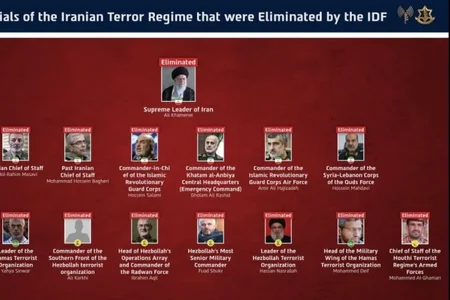
US President Donald Trump has neutralized two of Beijing's closest allies. Venezuelan President Nicolás Maduro was captured by the US in January. Meanwhile, Iran's Supreme Leader Ali Khamenei is dead.
In addition to depriving China of strategic partners in South America and the Middle East, these actions strike a core interest for Beijing: oil.
Both countries supply most of their oil to China. More than half of Venezuela's oil exports and almost all of Iran's oil exports last year ended in China, according to data from analytics firm Kpler.
Together, these supplies accounted for about 15% of China's total oil imports, according to CNN calculations based on data from the Center for Global Energy Policy at Columbia University.
Rob Thummel, portfolio manager at Tortoise Capital, considers China one of the potential main losers in the conflict with Iran, as the country produces far less oil than it consumes.
"The price increase can affect economic growth, but physical supply is even more important because China relies on oil imports to keep the economy running," he said.
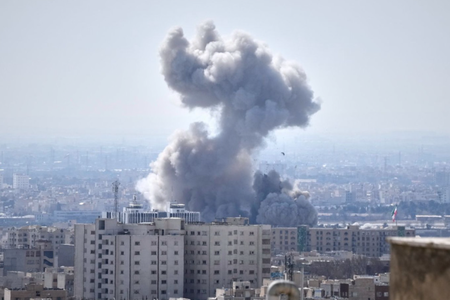
Chinese Foreign Minister Wang Yi called the US-Israeli attack on Iran “unacceptable” and condemned the “blatant assassination of a sovereign leader and incitement to regime change.” However, Beijing has so far not commented on the potential economic impact.
In addition to the risk to oil supplies, China and other Asian economies face logistical challenges if the Strait of Hormuz, a key route for transporting oil from countries such as Saudi Arabia and Kuwait, is closed or faces disruption.
Iran's semi-official Mehr news agency reported that an oil tanker was hit on Sunday after attempting an "unauthorized passage" through the Strait of Hormuz and was sinking after sustaining damage.
Iran controls the northern side of the strait and has previously threatened to restrict access to the waterway during clashes with the U.S. Analysts warn that closing the Strait of Hormuz or major disruptions there would cause a severe global energy crisis.
Stock markets tumble as dollar and metals gain
While European and US markets have not yet opened, Asian trading shows that major stock markets are facing difficulties.
It's an almost red sea, with only Australia's ASX 200 index and China's Shanghai Composite Index showing gains.
Japan's Nikkei, Hong Kong's Hang Seng and Thailand's SETI are among the biggest losers with declines of at least 1.5%.
The beneficiaries of this stock sell-off are precious metals, which are seen as a safe-haven investment. Gold prices are at a one-month high above $5,360 an ounce, while silver initially rose 2.8% to $96.4 an ounce before giving back gains.
The dollar also rose in this flight to safety, meaning the pound is at a one-month low, buying $1.34.
US markets are expected to open lower, as is the UK's benchmark FTSE 100 index.



Lini një Përgjigje