


 Shkruar nga Krzysztof Tyszka-Drozdowski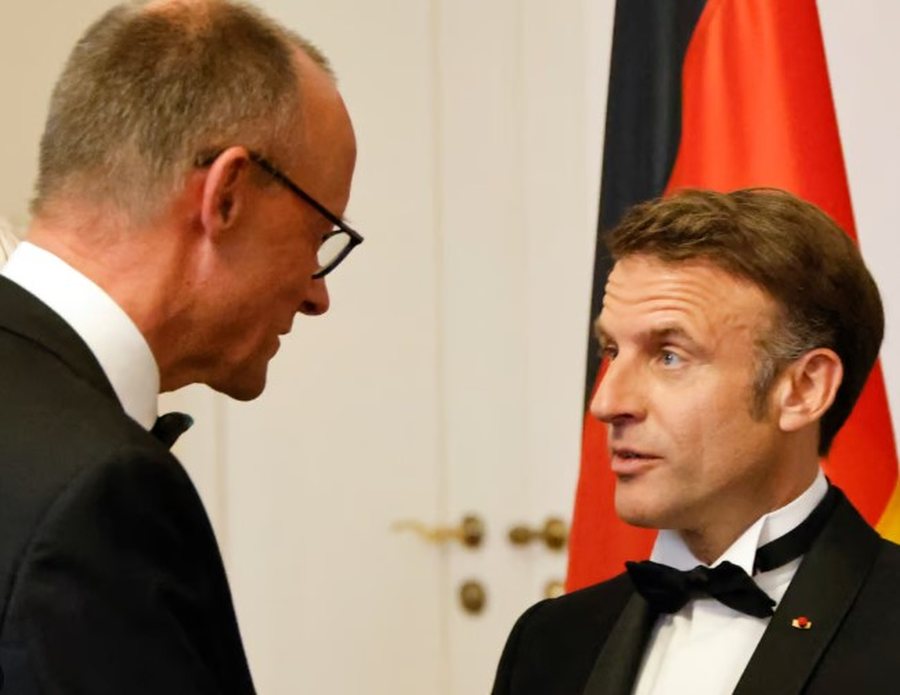
Three reasons why European nuclear deterrence remains a myth...
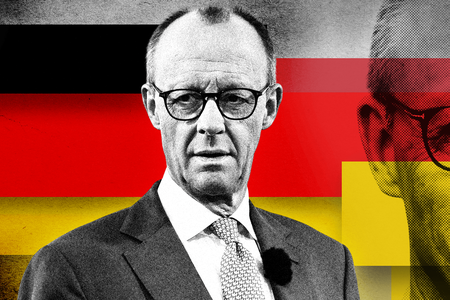
He's not yet chancellor, but Friedrich Merz wants to revolutionize European security. In a recent interview with German media, he called for a European nuclear umbrella, where the federal republic would exchange US protection for that provided by the UK and France.
His geopolitical gamble is not surprising. The current generation of European political elites has never experienced such a crisis of confidence in transatlantic relations. Within weeks of taking office, Donald Trump has destroyed the US's confidence in Europe that has existed since the fall of the Berlin Wall.
But in practice, breaking free from Washington's tutelage can be difficult. Europeans' concerns about their American ally are nothing new. France's secret nuclear program began in 1954 - before Charles de Gaulle returned to power - as a hedge against the scenario when Washington might prove an unreliable ally.
Upon learning of the Eisenhower administration's plans to reduce its strategic commitment to Europe, then-German Chancellor Konrad Adenauer also reacted with alarm. Through diplomatic channels, he declared that West Germany might be forced to develop nuclear capabilities if American security commitments were unreliable.
Today, many German politicians have echoed Merz's call for a pan-European nuclear deterrent. Among them are former Foreign Minister Joschka Fischer and CSU leader Manfred Weber. French President Macron has repeatedly proposed the "Europeanization" of France's nuclear force, something also supported by former French presidents Chirac and Sarkozy.
But in practice, breaking away from the US umbrella is easier said than done. First, because of technology. Unlike Paris, London's nuclear arsenal is not entirely independent. British submarines carrying nuclear warheads must regularly go to the US for maintenance. So their technology is essentially American.
Second, what further undermines the credibility of British deterrence is the failure of the second consecutive test of a nuclear-capable missile last year. Third, when it comes to weapons capable of destroying entire countries, there is a very delicate argument: sovereignty.
The inherent national dimension of the nuclear bomb, understood very well by De Gaulle, and it has to do with the very existence of the state that possesses it. In France, opposition parties get angry whenever Macron talks about the “European dimension” of French nuclear weapons.
I gjithë spektri politik, nga Le Pen tek e majta ekstreme, besojnë se ato armë janë thelbësore kryesisht për sovranitetin kombëtar, ndaj nuk mund të ndahen me të tjerët. Për këto arsye, parandalimi i zgjeruar bërthamor mbetet një mit. Në një luftë të mundshme bërthamore, është e sigurt se Macron nuk do të rrezikonte Parisin për Vilniusin e Lituanisë, ashtu siç Trump nuk do të ishte i gatshëm të sakrifikonte Los Anxhelosin për kryeqytetin estonez Talin.
Në vitin 2023, historiani Sumantra Maitra artikuloi konceptin e “NATO-s së fjetur”, që përshkruan saktë strategjinë e Trump ndaj aleancës perëndimore. Kjo teori, mbron ndalimin e zgjerimit të NATO-s dhe zhvendosjen e barrës së mbrojtjes së Evropës mbi vetë Evropën.
Dhe kjo është më se e kuptueshme: teksa vëmendja e Uashingtonit do të përqendrohet në Azi, evropianët duhet të kujdesen për veten e tyre, veçanërisht pasi i kanë burimet për të kursyer. Megjithatë, pavarësisht rekomandimit të shkëputjes, Maitra argumenton se ombrella bërthamore e SHBA do të vazhdojë ta mbrojë Evropën.
Por ai është mishërimi i një realisti, ndaj duhet të pranojë se parandalimi i zgjeruar është një iluzion. Atëherë, si mund të shpjegohet kjo paqartësi strategjike? Tek e fundit, ajo është produkt i naivitetit të evropianëve. Besimi se Amerika ka interesa ekzistenciale në partneritetin transatlantik është i rrënjosur thellë në Evropë.
Për shembull kancelari në ikje Olaf Scholz, i kundërshtoi diskutimet mbi një pengesë bërthamore evropiane nga frika e tensionimit të marrëdhënieve me Uashingtonin. Ka të ngjarë që sapo të përfundojë lufta në Ukrainë, evropianët të rikthehen tek bindja e tyre kokëfortë se jetojnë në një botë me pak rreziqe, dhe nëse ndodh më e keqja, do t’i shpëtojë Amerika.
Por jo të gjithë janë aq naivë sa evropianët. Çdo vend në Azi e kupton se bota është bërë e rrezikshme. Japonia ruan aftësi të fshehta të prodhimit të armëve në objektet e saj të pasurimit të uraniumit dhe plutoniumit. Sasia që ka të magazinuara, mendohet se mjafton për të ndërtuar mijëra bomba atomike.
Për vite të tëra, ky “parandalues teknik”, e ka lejuar Tokion të ushtrojë presion ndaj Uashingtonit për të rikonfirmuar garancitë e tij të sigurisë, duke shërbyer edhe si një policë sigurimi në rast se Japonia braktiset nga aleati i saj. Ndonëse Koreja e Jugut nuk ka plutonium, mbetet një lojtare me peshë.
Për vite me radhë, shumica e popullsisë e ka mbështetur idenë e një parandalimi të pavarur. Koreja e Veriut e armatosur me armë bërthamore dhe agresiviteti në rritje i Kinës, kanë krijuar një konsensus të fortë mbi këtë çështje. Natyrisht, pajisja zyrtare me armë të tilla do të provokonte zemërim, sanksione, por edhe një kundërpërgjigje të fortë nga rivalët gjeopolitikë.
Countries that include nuclear security in their strategic calculations are likely to follow Israel's path. Isolated among adversaries and thousands of kilometers from its closest ally, the United States, Israel has chosen secrecy: although its bomb has never been officially acknowledged, its implicit presence dictates the actions of other states.
Should the proliferation of nuclear weapons be a desirable goal? The main argument in its favor points to the Cold War as a period of “long peace,” during which no direct conflict occurred between the great powers. Even the most irrational leaders begin to act prudently when faced with the terrifying threat of total annihilation./ Adapted from “Pamphlet” by “ Unherd”


Lini një Përgjigje