


 Shkruar nga Pamfleti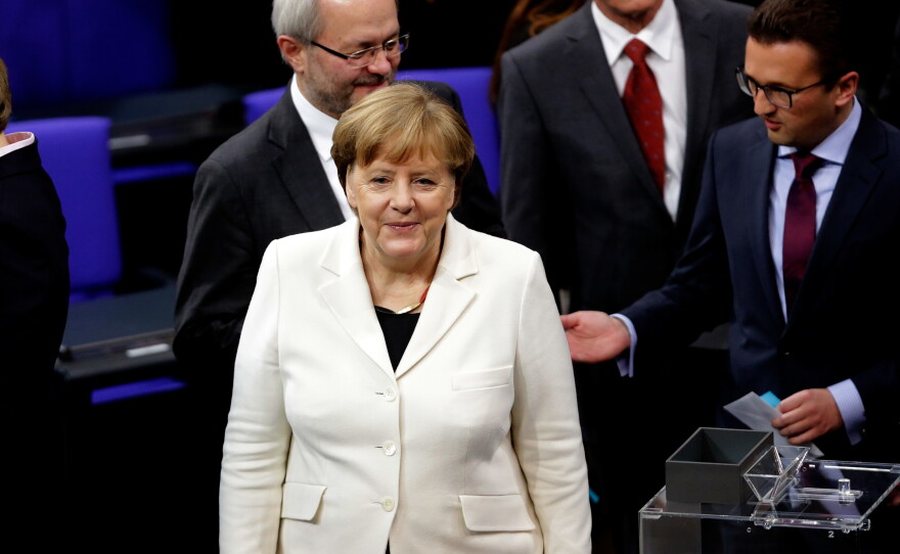
From economics to politics, Berlin is trying to correct the consequences of the Merkel years, while Friedrich Merz's government seeks to halt stagnation and the rise of the AfD.
The World Cup exit is just the latest in a series of crises plaguing Germany. Italian commentator Aldo Cazzullo linked the sporting humiliation to what is being called in other circles the “German disease”: the country’s economic crisis and political instability that have been determining the balance of power in Europe for decades.
With France in trouble and the United Kingdom outside the EU, Germany's role is more important than ever. Demographics and economics place it as the European Union's leading power.
According to the author, one of the main obstacles to resolving the crisis is the illusion that Angela Merkel was a successful chancellor. He argues that her legacy is linked to four strategic mistakes: rapprochement with Russia, uncontrolled openness to migration, environmental policies harmful to industry, and the inability to understand the true nature of China.
These factors, according to the analysis, explain the current crisis of the German model, both in economics and politics. Only by confronting Merkel's real legacy can Germany and the European Union change direction.
On June 30, at the Bode Museum in Berlin, Angela Merkel presented her official portrait for the Chancellery, created by 28-year-old artist Jérémie Queyras. At first glance, it was a protocol ceremony. But the way the event was structured and communicated showed that the former chancellor continues to carefully manage her public image.
Her most quoted phrase, “it’s strange when you slowly become history,” gave the event the tone of a Merkel reconciled with the past. However, her legacy remains at the center of debate, especially over her opening to refugees in 2015, energy dependence on Russia, and tough policies toward southern Europe.
Meanwhile, Chancellor Friedrich Merz is grappling with a stagnant economy and a fragile coalition. Last week, he presented a 34-measure package in Berlin, aimed at reviving the economy and restoring confidence in the government.
"I understand the nostalgia for the past, but we cannot hide behind history. We must restore the desire for the future," Merz said during the presentation of the reforms.
The package touches on four main areas. In fiscal policy, it cuts taxes on low and middle incomes by around 10 billion euros per year, while increasing the fiscal burden on those earning over 250,000 euros and cutting some tax breaks.
In the welfare system, the retirement age will be gradually increased from 67 to 70 years old and incentives for early retirement will be removed.
Në tregun e punës, kompanitë do ta kenë më të lehtë të largojnë punonjësit me paga të larta dhe të punësojnë më shumë punonjës me kontrata të përkohshme. Qeveria parashikon edhe lehtësi fiskale për ata që humbin vendin e punës, por rikthehen shpejt në treg. Po ashtu, ajo synon të kufizojë abuzimet me raportet mjekësore.
Sektorët më të goditur nga kriza, si industria automobilistike, çeliku, kimia dhe makineritë, si dhe kompanitë teknologjike, mund të përjashtohen nga një pjesë e rregullave të punës.
Ndryshimi më i fortë pritet në burokraci. Qeveria synon të heqë shumë detyrime administrative për bizneset dhe të lehtësojë rregullat e privatësisë për kompanitë e vogla. Për lejet e ndërtimit dhe licencat tregtare do të zbatohet parimi i miratimit të heshtur: nëse administrata nuk përgjigjet brenda katër muajsh, kërkesa do të konsiderohet e pranuar.
Në tregti, Berlini do të kërkojë përdorimin më të fortë të instrumenteve antidumping dhe kundër subvencioneve kineze në nivel europian.
Raporti i fundit i Fondit Monetar Ndërkombëtar, sipas autorit, tregon se problemet e Gjermanisë janë më të thella se një cikël i zakonshëm ekonomik. Mes viteve 2023 dhe 2024, vendi kaloi në recesion, ndërsa rritja mbeti nën mesataren e eurozonës. Rreth 60% e këtij hendeku lidhet me rënien strukturore të potencialit të rritjes.
Kriza ka goditur investimet, eksportet, industrinë përpunuese dhe ndërtimin. Një problem i madh është rënia e produktivitetit. FMN e lidh këtë edhe me faktin se kompanitë mbajnë punonjësit, edhe kur prodhimi bie, nga frika se nuk do të gjejnë më vonë staf të kualifikuar.
Në planin politik, pozita e Merz është gjithnjë e më e vështirë. Koalicioni mes CDU-CSU dhe SPD nuk ka arritur të fitojë besimin e opinionit publik. Në sondazhe, AfD-ja e Alice Weidel qëndron shpesh përpara konservatorëve, ndërsa më shumë se dy të tretat e gjermanëve shprehen të pakënaqur me qeverinë.
Kjo e vendos Berlinin në një paradoks: një kancelar që premton ringjallje ekonomike, ndërsa shumica e tij rrezikon të shpërbëhet. AfD-ja nuk përshkruhet nga autori si forcë fashiste apo përmbysëse, por si parti me dy probleme të mëdha gjeopolitike për Europën: antiamerikanizmin dhe prirjen proruse.
Në Bruksel, Gjermania mbetet aktori kryesor. Në muajt e fundit, ajo ka ndikuar në dy çështje të mëdha: qëndrimin ndaj Kinës dhe politikat mjedisore.
Për vite me radhë, Berlini e frenoi Brukselin ndaj Pekinit, nga frika e hakmarrjes tregtare kineze. Por kriza në industrinë e makinave, kimisë, çelikut dhe makinerive e ka shtyrë qeverinë Merz drejt një proteksionizmi më selektiv. Gjermania kërkon tani rregulla më të ashpra kundër konkurrencës së pandershme dhe më shumë kontroll mbi investimet e huaja në sektorët strategjikë.
Megjithatë, qasja gjermane mbetet e dyfishtë. Berlini kërkon linjë të ashpër nga BE-ja, por ruan kanale të drejtpërdrejta me Pekinin, për shkak të varësisë së industrisë gjermane nga tregu dhe furnizimet kineze.
The second front is environmental policy, especially the ban on internal combustion engines from 2035. After pressure from the German car industry and a letter from Merz to Ursula von der Leyen, Brussels softened the target: the reduction in emissions for new cars from 2035 will no longer be 100%, but 90%. This paves the way for a share of hybrid vehicles and high-efficiency engines even after that date.
Essentially, Germany is trying to buy time. Domestically, with tax cuts, labor reforms, and red tape. In Europe, with more protectionism and fewer environmental restrictions.
Merz's challenge is clear: to stop the flow of votes to the AfD and get the German economy moving again. According to the author, this could also be the chancellor's last political opportunity. / Adapted from "Corriere Della Sera"



Contrary! Germany consumed in these years what Merkel had prepared!