


 Shkruar nga Pamfleti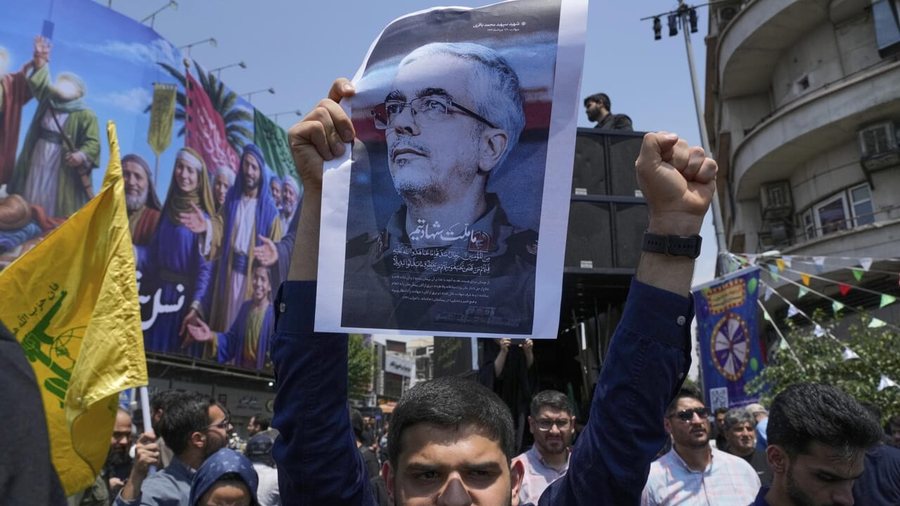
In the event of an escalation of the conflict with Israel, Tehran could block the Strait of Hormuz, through which 1/5 of the world's crude oil and 1/3 of its LNG passes...
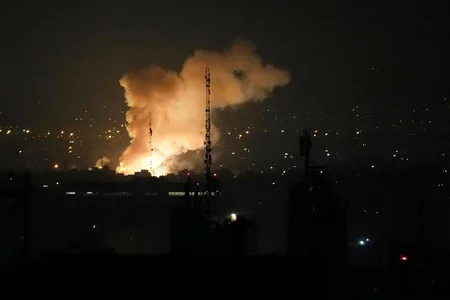
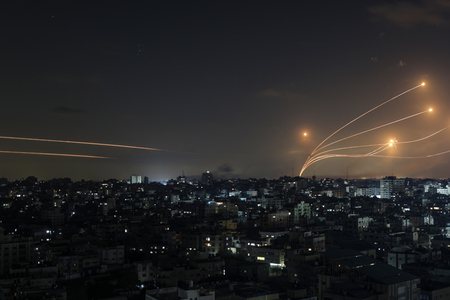
Europe has woken up to a new conflict that has erupted in the Middle East, a conflict that threatens to spread and have global consequences, including from an economic perspective. Israel has launched large-scale attacks against Iran, killing several military leaders and targeting nuclear facilities and ballistic missile factories.
Prime Minister Benjamin Netanyahu said this was just the beginning of a long-term operation to prevent Tehran from building a nuclear weapon. "The coming attacks will be even more brutal," US President Donald Trump warned in a post on Social Truth, calling on Iran to "make a deal" on its nuclear weapons "before there is nothing left and save what was once known as the Persian Empire."
Gas, oil and gold prices rise sharply: the first consequences of Israel's attack on Iran
Words that certainly won't help calm the waters, as the Tehran regime knows it is militarily inferior to Tel Aviv, but is still driven to react to alleviate the humiliation suffered and not to appear weak in front of its citizens and even its opponents.
Risk of escalation
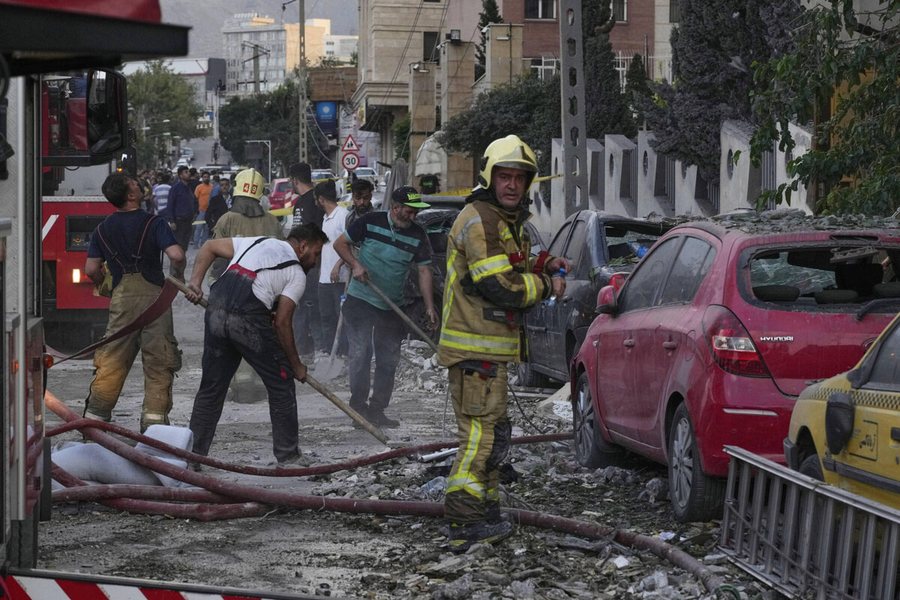
Iran’s retaliation could include attacks not only on Israeli territory but also on its assets and interests, and even those of the United States if a hardline prevails. And the war could widen to include Iran’s regional allies, the Houthis in Yemen and Hezbollah in Lebanon.
Both militias are still healing from heavy defeats at the hands of Israel, but they still have the capacity to carry out attacks. Even simply sinking enough oil tankers or burning down refineries could have an immediate impact on the global economy, which, the Iranians hope, would convince the West to pressure Israel to stop.
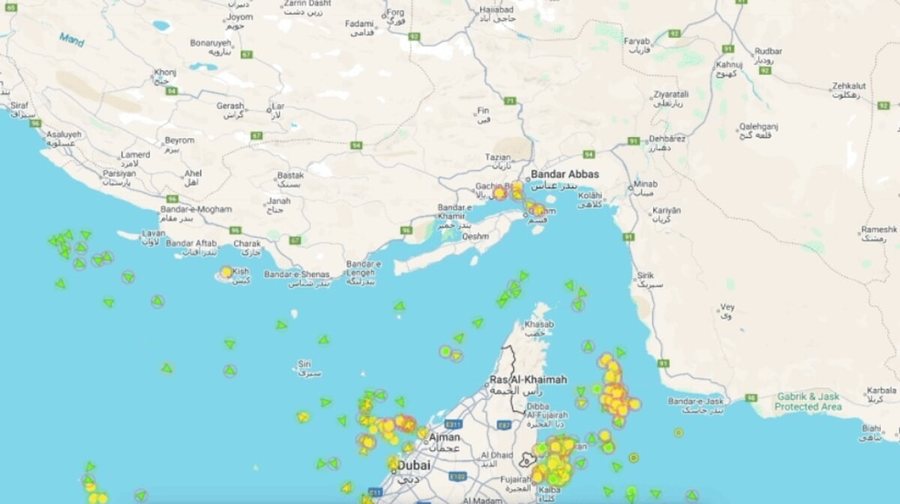
Strait of Hormuz
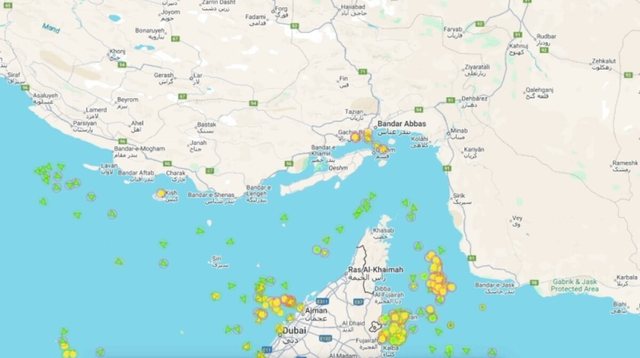
Iran could achieve the same effect, or worse, by closing the Strait of Hormuz, a key hub for the region's hydrocarbon trade, between the Persian Gulf and the Gulf of Oman. The strait is the gateway from the Persian Gulf to the open ocean and is one of the most strategically important points in the world.
It lies between the coast of Iran and the Musandam Peninsula, separated by the United Arab Emirates and the Musandam Governorate, an enclave of Oman. About 20 million barrels of oil and petroleum products pass through the strait per day, representing nearly a fifth of global oil shipments. Any action to block this flow would have repercussions on energy markets.
According to Vortex data, between the beginning of 2022 and last month, between 17.8 million and 20.8 million barrels of crude oil, condensate and fuel passed through the strait each day. OPEC members Saudi Arabia, Iran, the United Arab Emirates, Kuwait and Iraq export most of their crude oil through the strait, mainly to Asia. The United Arab Emirates and Saudi Arabia have tried to find other ways to bypass the strait, but it is not easy.
Not only that, Qatar, one of the world's largest exporters of liquefied natural gas (LNG), ships almost all of its LNG through the Strait, which handles a third of the world's LNG.
International pressure
Over the years, Iran has repeatedly threatened to block the strait, but has never carried out its threat. For example, it did so in 2018, after the US withdrew from the nuclear deal and reimposed sanctions. It was in 1973 that Arab producers, led by Saudi Arabia, imposed an oil embargo on Western supporters of Israel in its war against Egypt, which had dire consequences.
However, today the situation has changed and if at that time Western countries were the main buyers of crude oil produced by Arab countries, today Asia is the main buyer of OPEC crude oil. China is the main importer of Iranian oil and accounts for more than three-quarters of its oil exports. The second largest economy in the world is also Iran's main trading partner.
Therefore, Beijing will certainly put pressure on Tehran to keep the Strait of Hormuz open and functional. But with an escalation of the conflict, no action can be ruled out by Tehran, which is aware that a disruption of supplies would have consequences on world markets. /Adapted from Today Pamphlet/



Lini një Përgjigje