


 Shkruar nga Pamfleti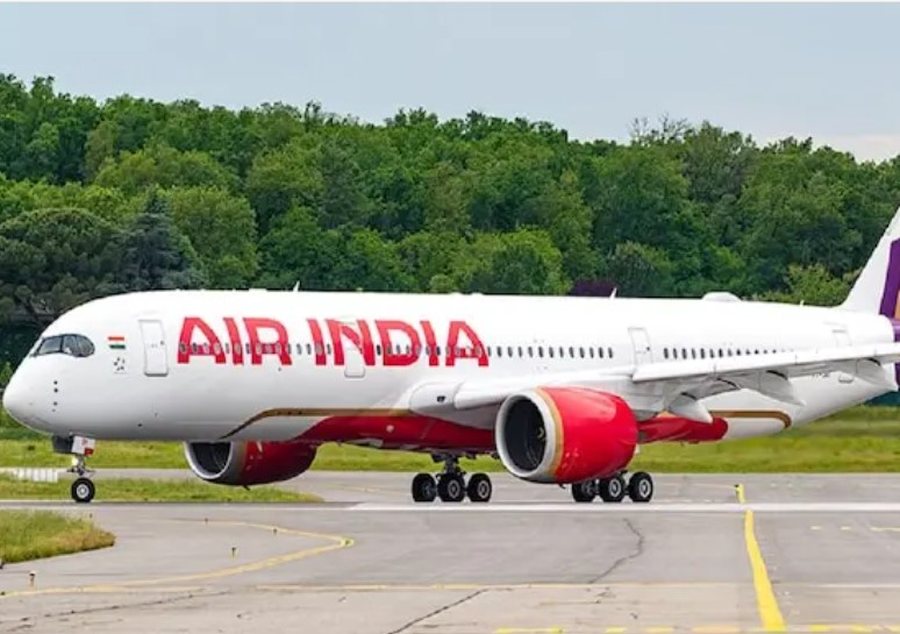
Investigations into the air tragedy involving the crash of an Air India Boeing 787 Dreamliner continue, and according to reports, the plane's "black box" has been found.
India's civil aviation minister confirmed information that the plane's "black box" has been found.
"The flight data recorder [black box] was recovered within 28 hours from the crash site in Ahmedabad by the AAIB [Air Accident Investigation Board of India]," Ram Mohan Naidu Kinjarapu said in a post on X.
"This is an important step forward in the investigation. It will significantly assist in the investigation of the incident," he said.
The "black box" was retrieved from a rooftop near the crash site and the Indian investigation agency said it had begun its work with "full force".
The black boxes contain data about the flight, including the pilots' conversations in the cockpit, as well as information such as altitude and speed, and can provide important details about the events leading up to the crash.
Safety checks on Boeing's fleet
Meanwhile, India's aviation regulator has ordered Air India to conduct safety checks on its Boeing 787-8/9 fleet within two weeks. This will include checks on fuel parameters and related systems, as well as a review of takeoff parameters, according to the authority.
What points do experts review?
Investigators are examining the engine thrust, wings and landing gear. Air India and the Indian government are looking into several factors that could have caused the plane to crash, a Reuters source told Reuters.
These include possible problems with the plane's engine thrust, wings and why the landing gear remained open.
The source said that the possibility of a bird strike is not among the main factors being considered.
The government's investigation includes examining any wrongdoing by Air India, including maintenance issues, the source said.
"The Sun" lists six main clues that are being investigated as possible causes of the worst air accident in India's history:
Bird strike – A bird strike may have damaged the plane's giant General Electric engines. While it seems unusual for a bird to bring down such a large aircraft, similar incidents have happened before.
Wing flap position – Experts suggest that the wing flaps may have been retracted or in a minimal position, providing very little lift, especially during takeoff and landing where these parts are important for stability. Also, the landing gears remained open at all times, causing significant aerodynamic drag. This may have contributed to the loss of control of the aircraft.
Pilot error – Although the Boeing 787 is a highly automated aircraft and pilots perform most of the key actions, human error cannot be ruled out. The captain of the aircraft was a highly experienced pilot, but there may have been an error in controlling the aircraft or in setting the flaps.
High temperature – On days with very high temperatures, such as the one on the accident (around 40°C), the aircraft needs more airspeed to generate sufficient lift. This may have made takeoff more difficult, especially with a full load.
Technical defects – The possibility of a technical defect or engineering problem cannot be ruled out. The Boeing 787 has a good safety record, but in recent years there have been several engine problems reported on similar aircraft.
Overload – Although the aircraft's weight is carefully checked before takeoff, a weather overload may have affected its ability to take off.





Lini një Përgjigje