


 Shkruar nga Narges Bajoghli
Despite tactical losses, Tehran is advancing long-term objectives against the US and Israel
By traditional metrics of the conflict, Iran is not doing well against the United States and Israel. Its adversaries are destroying key targets in Iran, killing commanders, and degrading its military assets. But these are the wrong metrics to measure Iran’s position in the war. The right metric is not whether Iran is taking the hits well, which it is, but whether Tehran is achieving its strategic objectives. And in that regard, Iran is winning.
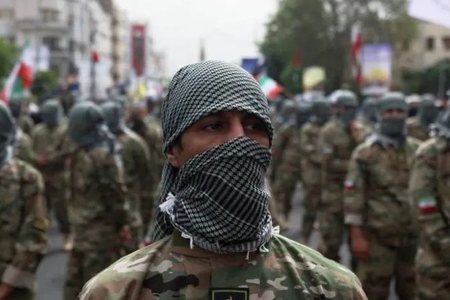
This outcome is no coincidence. Tehran has been preparing for this war for nearly four decades, ever since the new revolutionary government faced its first major military test in the Iran-Iraq War, which lasted from 1980 to 1988. Today, it is implementing a strategy that has managed to neutralize key American and Israeli air defense systems, severely damage American military bases in the Persian Gulf, inflict significant economic costs, and create divisions between the United States and its Gulf allies. In other words, the Iranian regime is not only surviving in the face of American-Israeli bombing, but is creating serious economic and political problems for its adversaries, gaining strategic superiority.
The formation of a supreme leader
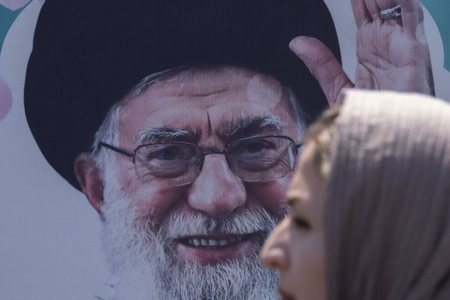
Supreme Leader Ali Khamenei oversaw the strategic planning that is serving the Iranian regime in this war. Khamenei, who was killed in the initial US-Israeli airstrikes on February 28, was not the most obvious choice to lead the Islamic Republic after the death of Ayatollah Ruhollah Khomeini in 1989. He was not a figure of great religious authority; his clerical credentials were modest compared with many of his contemporaries. But his service as Iran’s president during the Iran-Iraq War gave him a political and strategic background that would prove more important than any religious rank.
In Iran, the war with Iraq is not remembered as a bilateral conflict. Tehran saw it, rightly, as a proxy war: a campaign in which the United States, the Soviet Union, and much of the Arab world supported Saddam Hussein’s Iraq with weapons, intelligence, and diplomatic cover, while Iran, fresh from its 1979 revolution, fought largely alone. Khamenei and the generation of commanders who fought in that conflict learned a fundamental lesson: as long as Iran insists on sovereignty and independence, it will face constant and coordinated pressure from the United States—pressure that could escalate into war at any moment.
Teherani gjithashtu nxori nga ajo luftë një stil lufte asimetrike të diktuar nga nevoja. Vendi ishte i shkëputur nga furnizimet me armë konvencionale gjatë konfliktit. SHBA kishte vendosur embargo të plotë armësh në vitin 1979 dhe shumica e botës nuk furnizonte më Iranin me armë. Ndërkohë, Iraku përfitonte nga armët perëndimore, pajisjet sovjetike dhe financimi nga vendet e Gjirit. Përballë një armiku më të fuqishëm dhe nën embargo, Irani u detyrua të improvizojë, duke zhvilluar taktika si përdorimi i minave të improvizuara dhe luftëtarëve të motivuar të parregullt që nuk vareshin nga teknologjia e kushtueshme apo zinxhirët ndërkombëtarë të furnizimit.
Ajo që nisi si improvizim u shndërrua në një doktrinë të mirëfilltë. Garda Revolucionare Islamike (IRGC), e krijuar në ditët e para të revolucionit dhe e forcuar gjatë luftës me Irakun, u bë institucioni kryesor i një strategjie të frenimit asimetrik: ndërtimi i një infrastrukture të gjerë ushtarako-industriale, kultivimi i qëllimshëm i aleatëve jo-shtetërorë, mbrojtja e avancuar përtej kufijve të Iranit dhe projeksioni i forcës pa e ekspozuar vendin ndaj kundërpërgjigjes direkte. Me kalimin e viteve, kjo doktrinë u përmirësua dhe u zgjerua.
Irani u përfshi më thellë në Liban, ku IRGC ndihmoi në ndërtimin e Hezbollahut si një forcë reale ushtarake. Pas pushtimit amerikan të Irakut në vitin 2003, milicitë e mbështetura nga Irani zhvilluan teknika të reja për të luftuar ushtrinë më të fuqishme konvencionale në botë. Gjatë luftës civile në Siri, duke filluar nga viti 2011, këshilltarët e IRGC dhe milicitë aleate morën pjesë në një konflikt kompleks, duke krijuar një brez të ri komandantësh me përvojë të avancuar operacionale.
Në momentin kur nisi lufta aktuale, Irani kishte kaluar 35 vjet duke mësuar si të luftojë dhe si të mbijetojë kundër kundërshtarëve shumë më të fuqishëm. Këto mësime janë të dukshme sot: rrjetet e decentralizuara logjistike po përdoren për të ruajtur furnizimet nën bombardim, ndërsa fleksibiliteti doktrinar i lejon forcave të shpërndahen dhe të riorganizohen edhe pas goditjeve të rënda.
Arma ekonomike
Irani është përgatitur prej kohësh edhe për një luftë ekonomike. Për dekada, ai është përballur me sanksione që e kanë përjashtuar nga tregjet financiare ndërkombëtare, duke kufizuar të ardhurat nga nafta dhe tregtinë globale. Ky përjashtim krijoi një logjikë të re strategjike: një vend i përjashtuar nga sistemi ekonomik global ka pak interes për ta ruajtur atë dhe ka stimul të madh për ta sfiduar. Sot, Irani po vepron pikërisht në këtë drejtim.
The strikes on energy infrastructure, the pressure on the Strait of Hormuz, and the attacks on ports, banks, and technology companies in the Persian Gulf are part of a deliberate campaign against the economic foundations of the US-led regional order. The Strait of Hormuz, through which much of the world’s oil passes, is a key element. Iran does not need to close it completely; the threat is enough to destabilize markets and raise costs for the US.
Creating division
One of the most consequential elements is the rift that Iran is creating between the United States and its partners in the Persian Gulf. For decades, Washington has built a security net in the region to contain Iran. But confidence in this agreement has begun to waver, especially when the United States has failed to respond in some cases to attacks on its allies.
The current war has deepened this distrust. The Gulf states are seeing US air defenses increasingly focused on Israel, while their own infrastructure remains exposed. This creates doubts about US priorities and weakens strategic relationships.
The paradox of eliminating leaders
The US and Israel have achieved tactical victories, but are struggling to achieve their strategic objectives. The strategy of eliminating leaders has not worked as expected. Iran has built a decentralized structure that can quickly replace lost figures.
Moreover, new leaders are often more dangerous: younger, more war-experienced, and more willing to escalate. As a result, this strategy could increase Iran's aggressiveness rather than deter it.
"Survive and thrive"
Iran's strategic doctrine focuses on the principle of "survive and exhaust." The goal is not direct military victory, but increasing the costs to opponents until they retreat.
If these trends continue, the war could end with a damaged but resilient Iran, while American alliances in the region weaken. In this sense, although the US and Israel may win the battles, Iran may win the war strategically. /Adapted from ForeignAffairs /




Pse s hapni kurse per imam e synetlliqe?
E dija katolik drejtuesin e Pamfletit..!? Ok. Irani eshte i dhjere por krenar. Turp per ju per keto shkrime. Nuk ka rendesi kush eshte ne krye ketu tek ne, eshte e denueshme nxjerja e te dhenave te mijra Shqiptarve nga ana e Iranit. Apo tek ju gjen vend ajo shprhja: te shoh nenen pa burre, pa emrallah dhe une pa baba. ????
Patronazhistë të (pa)nderuar, ata muxhahedinët terroristë (të përcaktuar të tillë nga SHBA) që mori ky zgjebja e jonë, kanë qenë motori i veprimtarisë subversive kundër Iranit. Që nga sulmet kibernetike deri tek pagesat për djegie stacioneve policie. Kush ja siguron jetesën 3000 vetëve dhe fondin vjetor 250 mn $ ? Jo se teokracia iraniane është lule, por nëse pranon delinkuentë në tokën tënde, këto pasoja ke. Pse nuk sulmuan Malin e Zi a Poloninë, por vetëm ne. Sa të kemi zgjeben në krye dhe ju ndihmës zgjebet kjo do ndodhë.