


 Shkruar nga Qendra Memorial për të Drejtat e Njeriut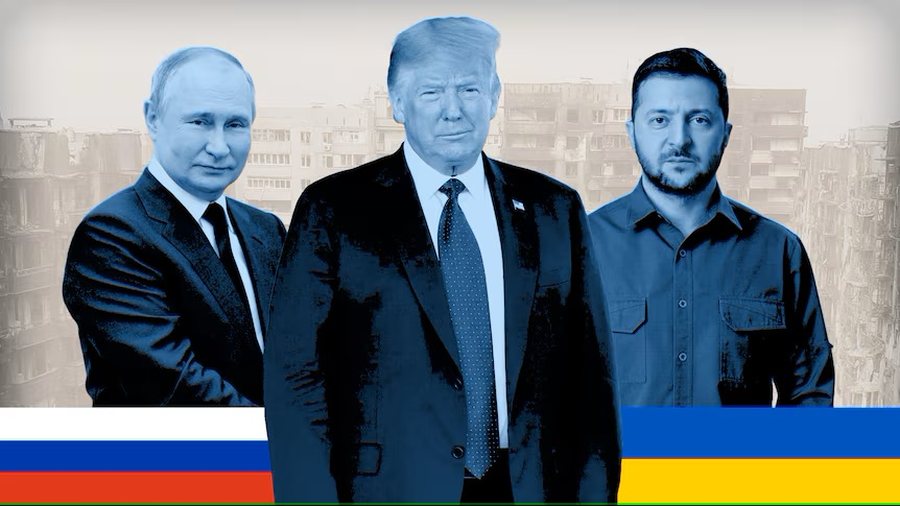
Restore respect for the rule of law and human rights to international politics...
Over the past few months and weeks, the attention of human rights defenders, both Russian, Ukrainian, and international, has focused on negotiations to end the war in Ukraine.
In January of this year, addressing the parties and participants in the negotiations, they drew attention to the situation of prisoners of war from both sides, illegally detained Ukrainian citizens, Ukrainian children taken to Russia, and Russian political prisoners.
Then in February, on the third anniversary of the start of Russia’s full-scale war against Ukraine, the call was reiterated by a group of UN special rapporteurs and experts. They stressed that the Russian state must be held accountable for its aggression against Ukraine, both for war crimes committed during the aggression and for its repressive policies within Russia.
Because, after all, the invasion of Ukraine was made possible thanks to the system of maintaining power through the system of political repression that has existed in Russia for decades. According to experts, the cases of more than 3,000 prisoners in Russia are perceived as politically motivated by the authorities.
There are reports of torture and holding them in life-threatening conditions, even to the point of death. But reports on the progress of the peace talks make it increasingly doubtful whether the negotiations are based on and focused on humanitarian issues, human rights, and even the law.
In the 20th century, the concept of human rights, which formed the basis of international law, and which is sanctioned in numerous international documents, became perhaps the main achievement of humanity's humanitarian progress, which survived the horrors of two world wars.
After World War II, the countries participating in the anti-Nazi coalition created the United Nations. The latter adopted the Universal Declaration of Human Rights, from which a number of pacts and agreements have emerged.
In 1975, the Helsinki Final Act was signed, which established the relationship between military-political security and respect for human rights and democratic principles. Respect for human rights was emphasized as a necessary condition for maintaining and strengthening peace, international security and the development of cooperation between states.
These documents and mechanisms were supposed to prevent World War III and guarantee respect for the inalienable rights of every human being, regardless of race, gender, language, religion, political beliefs, national or social origin.
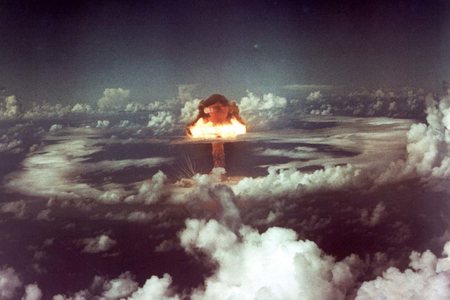
Sigurisht, ky sistem nuk ishte i përsosur. Shpërthyen luftëra, kriza, dhe diktaturat vazhduan të shfaqeshin në të gjithë botën. Blloqet perëndimore dhe lindore ishin në një Luftë të Ftohtë midis tyre, ndërsa bota ishte në pragun e një lufte të armatosur.
E megjithatë Lufta e Tretë Botërore nuk ndodhi: katastrofa bërthamore u parandalua dhe njerëzimi mbijetoi. Në politikën botërore, u vendosën norma dhe vlera të rëndësishme brenda kuadrit të Kombeve të Bashkuara dhe OSBE-së.
Kështu Evropës iu siguruan dekada paqeje të qëndrueshme. Njerëzimi hyri në një periudhë rritjeje ekonomike, zhvillimi teknologjik dhe bashkëpunimi global. Pas rënies së bllokut lindor - dhe më pas të Bashkimit Sovjetik - vendet “ish-socialiste” dhe post-sovjetike, patën mundësinë të ndërtonin në mënyrë të pavarur një të ardhme demokratike.
Ato hapën kufijtë dhe tregjet e tyre të brendshme, duke nisur të kërkonin vendin e tyre në bashkësinë globale. Juridiksioni i Gjykatës Evropiane të të Drejtave të Njeriut, u njoh nga shumë prej këtyre vendeve të reja, përfshirë Rusinë.
Një pjesëmarrëse e rëndësishme në këtë lëvizje drejt progresit, ishin edhe Shtetet e Bashkuara, të cilat u bënë burimi i praktikave, institucioneve të përparuara ligjore dhe i të drejtave të njeriut që veprojnë sot në shumë vende.
Kjo lëvizje ishte në vetvete jolineare, dhe SHBA-ja nuk ka luajtur gjithmonë një rol pozitiv. Gjithsesi, ka qenë i rëndësishëm kontributi i saj në promovimin e vlerave dhe normave demokratike të së drejtës ndërkombëtare humanitare dhe të të drejtave të njeriut.
Angazhimi i Uashingtonit dukej i padiskutueshëm. Agresioni i Rusisë kundër Ukrainës, u shndërrua në një sfidë vendimtare për këtë sistem tepër të brishtë të marrëdhënieve ndërkombëtare. Për shumicën e vendeve, parimi i preferuar i regjimit të Putinit për zgjidhjen e problemeve ndërshtetërore bazuar në “të drejtën e të fortit”, pra përmes luftës, doli të ishte i papranueshëm.
Vendet demokratike i ofruan Ukrainës ndihmë për ta sprapsur agresionin, megjithëse ndonjëherë ajo ka qenë pamjaftueshme. Që nga fundi i janarit të këtij viti, ka dalë në pah një krizë e re, e shkaktuar nga refuzimi nga SHBA-ja i standardeve dhe parimeve ligjore mbi të cilat u ndërtua bota e pasluftës.
Politika e administratës së re amerikane, po bazohet gjithnjë e më shumë në të njëjtat ide rreth “të drejtës së të fortit”, tek fakti se fuqitë e mëdha mund të vendosin fatin e shteteve të tjera dhe t’u diktojnë atyre kushte.
Në deklaratat dhe vlerësimet që bën, Uashingtoni po mbështetet gjithnjë e më pak në të drejtën ndërkombëtare, dhe vlerësimet e qëndrimet e bazuara në këtë ligj, po rishikohen lehtësisht. Për ne, “bota pa rregulla” nuk mori fund këtë vit, as në shkurtin e vitit 2022 apo edhe në shkurtin e 2014-ë.
Për një çerek shekulli, Putin e ka rindërtuar Rusinë bazuar në mohimin e të drejtave të njeriut (të cilat janë të nënshtruara ndaj “interesave të shtetit”), degradimin e ligjeve dhe pretendimin se të gjithë udhëhiqen nga interesat jo nga vlerat.
To move away from an order based on shared rules towards arbitrarily determined conditions and agreements is to deny the right to action to both people and entire countries.
Wanting to find a solution to Europe's main crisis, and end the war in Ukraine, through his statements and actions the American president is equating the aggressor with his victim.
Half a century ago, the great scientist, humanist and human rights activist Andrei Sakharov wrote: “Peace, progress, human rights - these three goals are inextricably linked: it is impossible to achieve one of them if the other two are ignored.”
Today, world leaders talk about peace. But at the same time, the basic principles of human rights and international law are being undermined. And this does not lead to peace and progress, but to an inevitable chain of new disasters.
An unfair peace sets a dangerous precedent. It normalizes Russia's war against Ukraine, giving the green light to a repeat of external aggression, and a new wave of even harsher repression within Russia.
The avoidance of the principles of human rights and international humanitarian law in the practice of peacemaking encourages impunity for crimes, and will inevitably lead to new wars of aggression.
Democracy will be at risk in many countries, as the new rules of the game will create wide opportunities for every autocrat and dictator. Therefore, we call on the leaders of all democratic states, all politicians for whom human rights are not empty words, and civil society in all countries, to make determined efforts to restore the rule of law to international politics.
This is the only way to create credible conditions for long-term peace in Europe, and to prevent the emergence of new large-scale military conflicts throughout the world.
Otherwise, the whole world will soon find itself in a situation where the fate of people and countries will be decided solely by predatory imperialist countries through wars and dirty deals. /Adapted from “Pamphlet” by “The Moscow Times”
Note: The Memorial Center for the Protection of Human Rights in Russia was created by supporters and former employees of the Memorial Society, which was forcibly dissolved by Russian authorities in 2021.


Lini një Përgjigje