


 Shkruar nga Pamfleti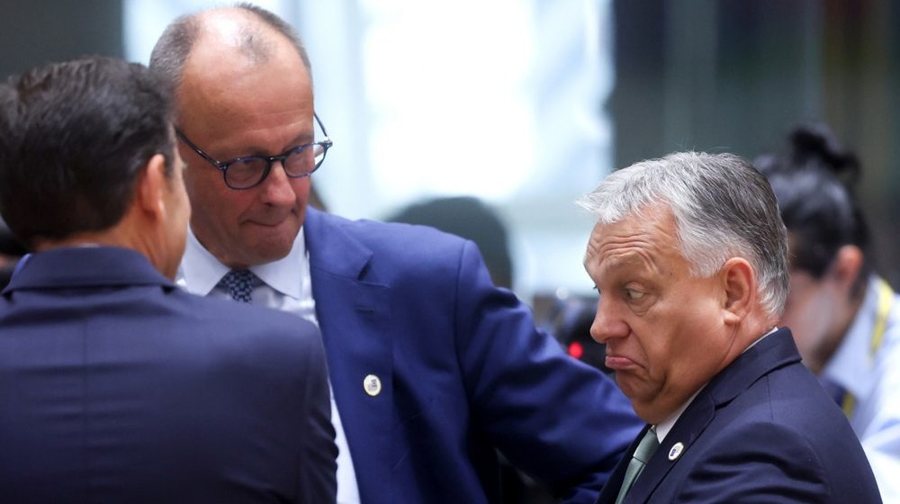
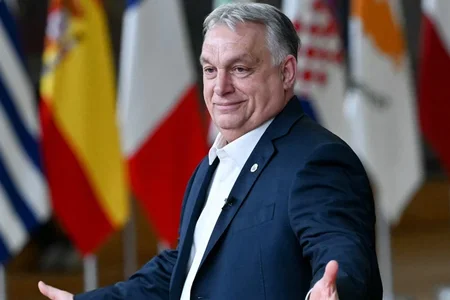
The European Union summit ended with unfinished business thanks to a man from Budapest. Viktor Orban blocked the agreed loan for Ukraine, but other summit participants made it clear that this would not go away.
German Chancellor Friedrich Mertz did not hide his anger at Hungarian Prime Minister Viktor Orbán and the blocking of a 90 billion euro loan for Ukraine.
"It is an act of great treachery within the European Union that we have never experienced before in this form," Mertz said after the EU summit in Brussels. It damages the ability to act and the reputation of the European Union as a whole.
Orbán's behavior regarding Ukraine "will have consequences that go beyond that single event," Mertz warned. Even those who have been present at EU summits much longer than he has were themselves "deeply upset" by such behavior, the chancellor stressed.
Backdoor loans
European Commission President Ursula von der Leyen, however, expressed optimism after the summit that the loan for Ukraine would be approved. The Union will provide loans to Ukraine in one way or another, Von der Leyen stressed.
EU Council President Antonio Costa said other EU leaders of state or government clearly condemned Orbán's behavior.
"No one can blackmail the EU Council," Košta stressed.
At the summit, Hungary and Slovakia, despite pressure from other member states, stuck to blocking the 90 billion euro loan. Orban is only ready to lift the veto once Hungary starts receiving Russian oil again.
Hungary accuses Ukraine of obstructing the continuation of oil supplies through the Druzhba pipeline. This pipeline runs from Russia, through Belarus and Ukraine, to Hungary and Slovakia.
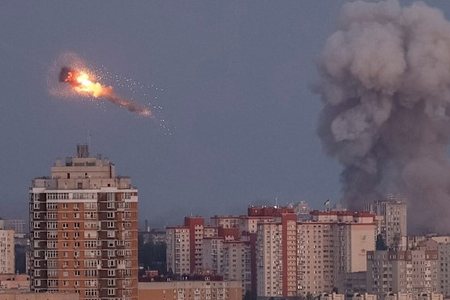
Ukraine denies these accusations and says the pipeline is currently unusable due to the consequences of Russian attacks. Repairs, Kiev says, will take about another month and a half.
According to observers, Orbán and his Fidesz party are basing their campaign for the April 12 elections largely on opposition to Ukraine and the European Union, claiming they are cooperating to bring to power his electoral rival, Peter Magyar of the Tisza party.
No war at any price
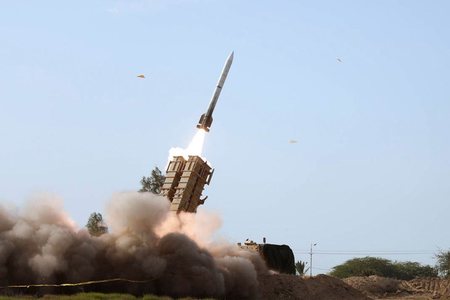
The second major topic of the one-day EU Council summit was the war in Iran. EU heads of state or government in Brussels confirmed that they ruled out the possibility of active participation in the war. In addition, they called for a "moratorium on attacks on energy infrastructure and water supplies."
In their final statement, the summit participants welcomed the readiness of the Union's member states to secure the Strait of Hormuz "as soon as the preconditions are met." Friedrich Mertz confirmed that Germany could be involved in security measures - but, as he added, "this is only possible when combat operations are stopped."
French President Emmanuel Macron said after the summit that his government plans to discuss with the permanent members of the Security Council the creation of a United Nations framework to secure this crucial sea passage for the global oil trade. However, to carry out such a mission, combat operations would first have to be suspended.
We will not allow a repeat of 2015.
In addition to energy supplies, another major concern for the EU is the potential for mass migration. EU leaders do not want to be surprised by a potential migrant crisis due to the escalation of the situation in the Middle East. "We will not allow a repeat of 2015," said European Commission President Ursula von der Leyen after the summit in Brussels. At the moment, due to the situation, there are no migrant movements to Europe, but the EU must be prepared.
In the final statements of the heads of state or government, it is said that the EU is ready to use its diplomatic, legal, operational and financial instruments to prevent "uncontrolled movements of migrants". "The security and surveillance of the external borders of the European Union will be further strengthened."
Criticism of Israel
The summit participants also condemned the violence against settlers in the West Bank. "The EU Council strongly condemns the continued and escalating violence by settlers against the Palestinian population, including violence against Christian communities," said a statement issued Thursday evening in Brussels. It also reiterated the demand to respect the status quo when it comes to holy sites in Jerusalem.
In addition, EU leaders strongly condemn the measures by which Israel seeks to expand its presence in the West Bank, including East Jerusalem. Israel must fulfill its obligations under international law and protect the Palestinian population in the occupied territories.
According to the Israeli daily Haaretz, seven Palestinians have been killed in attacks by Israeli settlers since the beginning of this month alone. Settler violence increased significantly after the October 7, 2023 terrorist attack on Israel by Hamas.


Lini një Përgjigje